When’s the Best Time of Year to Remove a Tree in CT?
That towering oak leaning toward your garage or the half-dead maple dropping branches every storm eventually forces Connecticut homeowners to ask: when should I actually remove this tree? Most people worry about their yard becoming a muddy construction zone for weeks, with deep equipment ruts and piles of debris turning their property into an eyesore. The good news is that timing your tree removal correctly can transform what seems like a massive disruption into a quick, efficient process that respects both your landscape and your schedule. Winter emerges as the optimal season for tree removal in Connecticut, when dormant trees are lighter, equipment operates on frozen ground, and cleanup happens faster than you might expect. Add in the need to coordinate with local tree wardens for permits, navigate varying zoning regulations across Connecticut towns, and sometimes address neighbor concerns about overhanging branches, and suddenly the “when” becomes as important as the “how.” Understanding these seasonal advantages, legal requirements, and realistic timelines helps you plan a removal that restores your property swiftly while meeting all Connecticut regulations.
Key Takeaways
- Tree removal jobs typically span hours to one day in Connecticut: Small trees take 1-3 hours for complete removal, while large trees near structures require 4-8 hours total, with stump grinding adding 1-2 extra hours to the timeline.
- Dormant winter months offer ideal conditions: Leafless, lighter trees combined with frozen ground reduce risks, minimize mess, and prevent the soil compaction that creates lasting yard damage during warmer seasons.
- Permits flow through local tree wardens and DEEP: Connecticut requires approval for public roadside trees and oversized private trees (often 8-12 inches DBH depending on your town), plus state oversight for removals in wetland buffer zones.
- Yard recovery happens quickly with proper timing: Chip piles clear same-day, and winter scheduling on frozen ground means reseeding resolves any disruption within weeks rather than months of muddy recovery.
- Spring and summer removals extend disruption: Mud season creates equipment ruts, nesting birds face legal protection, and heavy foliage increases both work time and cleanup volume across all removal phases.
- Zoning codes and nuisance tree ordinances vary by municipality: Town regulations differ significantly across Connecticut, though hazardous trees overhanging neighbor properties remain allowable for removal when they pose clear safety threats.
Understanding the Tree Removal Process in CT
Connecticut tree removals follow carefully sequenced steps tailored to Northeast dormancy cycles, local zoning requirements, and the region’s varied terrain. Professional arborists prioritize safety over speed, which actually helps address the common homeowner fear about “how long will my yard be torn up” because methodical work prevents the mistakes that cause extended cleanup periods. Tree wardens enforce Connecticut General Statutes §23-59 for roadside and public trees, while spite tree principles rarely block hazardous removals since municipal codes focus on legitimate safety and health concerns rather than neighbor disputes.
The removal timeline depends heavily on coordination with local authorities, which distinguishes Connecticut from states with less regulated tree care. Most removals begin weeks before the actual cutting starts, as homeowners secure permits and schedule around weather windows. This upfront planning actually shortens the physical disruption phase because crews arrive fully prepared with the right equipment, rigging plans, and debris removal strategies already mapped out.
Local Tree Environment and Process Needs
Wooded Connecticut lots with slopes, wetland buffers, or rocky terrain require arborist reports and neighbor notifications before crews can begin rigging cuts safely. Many Connecticut municipalities enforce setback requirements that affect how equipment accesses your property, especially in historic districts where root protection zones extend further than standard residential areas. Properties near inland wetlands face additional scrutiny, as DEEP regulations aim to prevent erosion and protect water quality during and after tree work.
Your specific location within Connecticut shapes everything from permit complexity to equipment choices. Coastal towns often have different tree ordinances than inland communities, and some municipalities designate certain species as protected or invasive, which affects removal approval. Understanding these local factors before you call a tree service helps set realistic expectations for both timing and process.
National vs. CT Removal Timelines
Northeast timelines stretch beyond national averages mainly because of permit requirements and seasonal weather considerations, but frozen winter ground actually speeds the physical work compared to spring or summer jobs in other regions. While tree removal companies across the country quote similar duration ranges, Connecticut’s regulatory framework adds preparation time that pays off through cleaner, more controlled removals.
Typical Timeline Ranges by Tree Size
Nationally, small tree removals take 2-6 hours from setup through cleanup, but Connecticut winter conditions allow large tree removals in 3-8 hours once crews arrive on site, with an additional 1-2 weeks for permit preparation in many towns. Dead tree removal often proceeds faster than healthy tree cutting because brittle wood requires less sawing effort, though safety rigging becomes more critical to prevent unpredictable branch drops. Diseased tree cutting timelines match healthy trees unless the disease has compromised structural integrity, which may require crane assistance for safe sectional dismantling.
Small trees under 30 feet with minimal branch spread typically complete in one morning, including stump grinding and chip removal. Medium trees from 30-60 feet near open areas take a full day when you include rigging setup, while large trees exceeding 60 feet or positioned close to structures may extend into a second day if crane access requires street closures or additional permitting. Storm damaged trees sometimes remove faster when they’re already partially down, though tangled branches caught in other trees (“hangers”) add complexity and time.
Hour-by-Hour Breakdown Models
The first 1-2 hours involve crew setup, utility confirmation through 811 calls, and rigging installation for controlled lowering of branches. Hours 3-5 focus on actual felling for open-area trees or systematic limbing and sectioning for trees near buildings. The final 6-8 hours (for complex jobs) include bucking the trunk into manageable pieces, grinding the stump 12-18 inches below grade, and chipping all debris for same-day hauling. Most residential jobs in Connecticut complete within a single work day, with crews arriving at dawn and finishing by late afternoon.
Emergency tree service calls for immediate storm damage bypass some permit steps under municipal emergency provisions, but non-emergency winter removals actually proceed more efficiently than summer jobs despite Connecticut’s cold weather. Frozen ground supports equipment without creating ruts, and the absence of active growth means trees weigh less and drop less debris during cutting.
Key Steps in the Tree Removal Process
Phased cutting techniques ensure precision for residential jobs near homes, power lines, and neighboring properties, while integrating Connecticut’s specific code requirements at each stage. Understanding these phases helps homeowners prepare their properties and set aside appropriate time for crew access.
Site Assessment and Prep
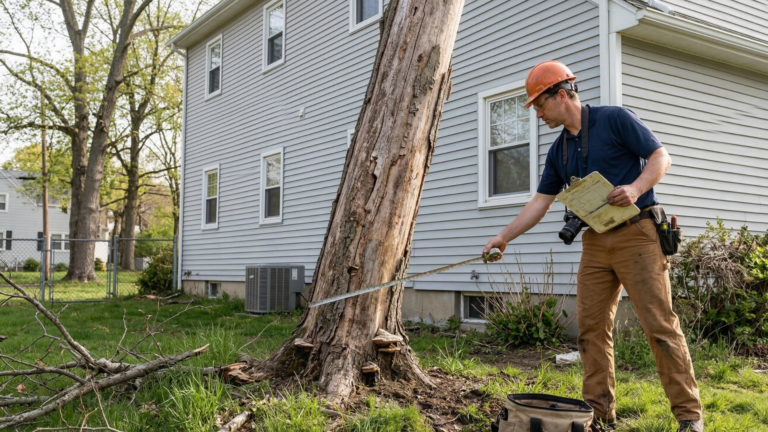
Professional assessment begins with an arborist or tree warden evaluation to document tree health, lean angle, and hazards to structures or utilities. Connecticut requires 811 utility marking before any digging for stump removal, and clearing underbrush establishes safe rigging paths for rope systems that control branch descent. This preparation phase also identifies whether crane access is needed, which affects both cost and timeline since crane operations require additional permits in some Connecticut towns.
Leaning tree danger increases assessment time because crews must calculate the tree’s center of gravity and plan directional cuts that counteract the lean safely. Dead tree removal adds complexity during assessment since internal decay may not be visible from outside the bark, requiring probe testing to confirm trunk integrity before climbers ascend. The assessment also determines whether the tree can be felled in one piece or requires sectional dismantling, which dramatically affects the work timeline.
Felling, Limbing, and Bucking
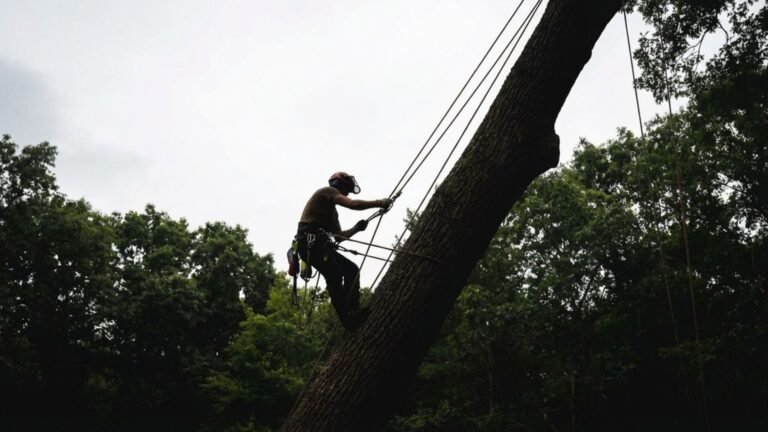
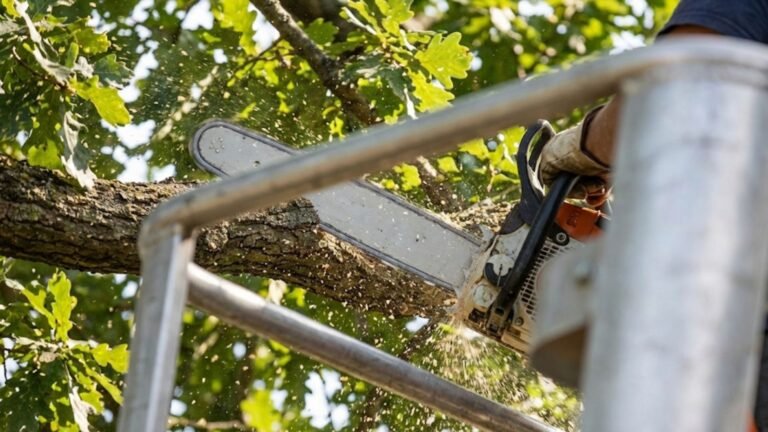
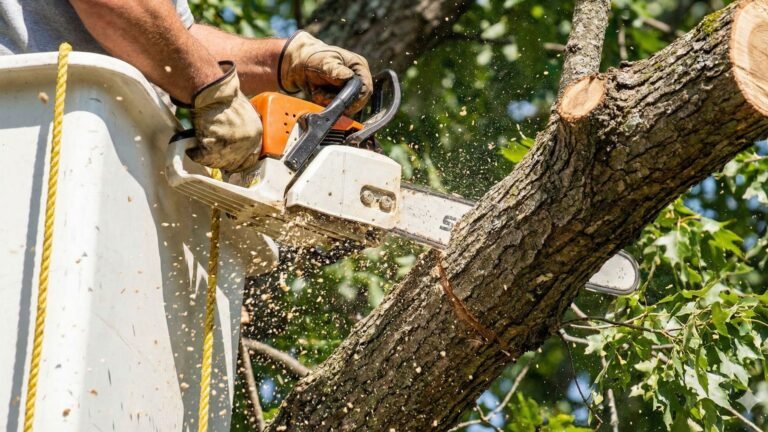
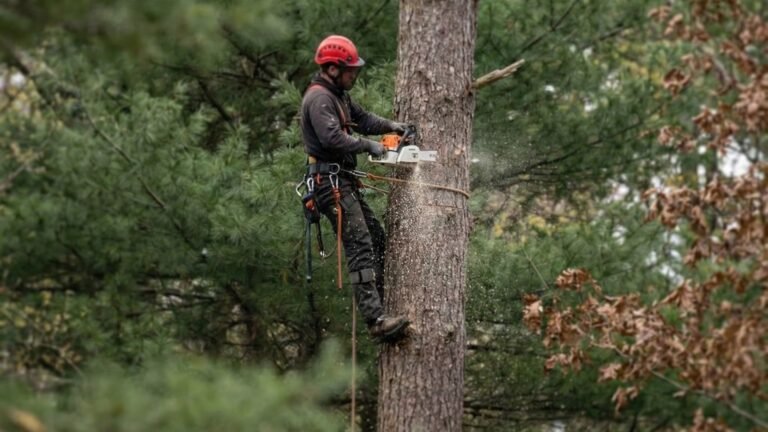
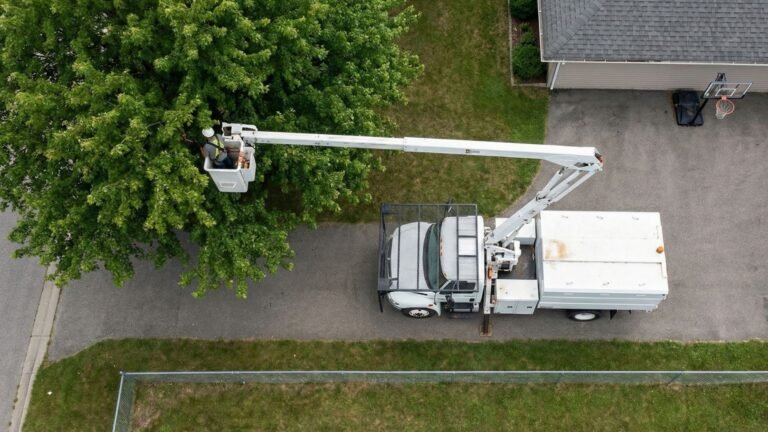
Directional cuts use notches and back-cuts to guide tree fall in open areas, while rope rigging with friction devices lowers branches gradually near homes and landscaping. Winter tree removal benefits from dormant wood that’s easier to cut and lighter to handle, reducing both physical effort and safety risks during the most dangerous phases. Sectional dismantling for large trees near structures involves climbing the tree or using bucket trucks to remove branches from top to bottom before cutting trunk sections in manageable lengths.
Limbing strips branches from the felled trunk, creating clean wood that’s easier to buck into firewood-length pieces or load for hauling. The spring tree removal risks of heavy foliage become obvious during this phase, as full leaf canopies increase branch weight by 30-40% and create more debris for cleanup. Fall tree cutting timing after leaf drop simplifies limbing significantly, letting crews work faster with better visibility and less material to chip.
Stump Grinding and Initial Cleanup
Stump grinding machines chew stumps 12-18 inches below grade in 1-2 hours depending on stump diameter and root spread, leaving wood chips that can be hauled or used as mulch. Professional crews pile all branch debris, trunk sections, and chips for immediate removal or next-day pickup, preventing the long-term “torn up yard” scenario that worries most homeowners. Winter’s frozen ground allows grinders and chippers to position without sinking, while soil compaction prevention becomes critical during shoulder seasons when ground is thawed but not yet firm.
Initial cleanup includes raking the work area, backfilling the stump hole with remaining chips and topsoil, and rough-grading any equipment paths. Most services haul debris the same day, though large removals may require a second trip for complete cleanup. This immediate attention to site restoration distinguishes professional Connecticut tree services from less thorough operations that leave properties disrupted for days.
Additional Steps for Complex Removals
Full-service tree removal adapts to Connecticut’s specific challenges like mature tree heights, tight residential lots, and protected environmental areas, adding minimal time when planned correctly from the start. Complex jobs require more specialized equipment but often complete faster than homeowners expect because of the upfront planning invested during permitting.
Handling Tall Trees, Proximity, or Wetlands
Crane-assisted removal for trees exceeding 60 feet or positioned where traditional rigging can’t safely reach may add an extra day for setup and operation, but dramatically improves safety and precision near valuable structures. Sectional dismantling near buildings involves cutting the tree into 8-12 foot sections with controlled lowering, adding 2-4 hours but preventing any contact with roofs or siding. Properties in inland wetlands buffers require silt fencing and erosion controls before work begins, with inspections afterward to verify environmental protection measures succeeded.
Historic district trees in Connecticut’s older towns face additional oversight to preserve neighborhood character, though dead or hazardous trees rarely face denial if proper documentation supports the removal need. Roadside tree laws under CGS 23-59 mean that trees within town right-of-ways require tree warden approval regardless of who owns the adjacent property, adding a coordination step for removals near streets. Summer tree hazards from insect activity and disease spread prompt some municipalities to restrict removal timing for certain species, particularly those affected by invasive pests.
Finishing Touches and Yard Restoration
Backfilling stump holes with chips and topsoil creates a level surface ready for seeding, while grading equipment paths prevents standing water and promotes quick grass regrowth. Most professional services include complete debris removal as standard, though some homeowners opt to keep trunk sections for firewood or chips for garden mulch. Site restoration after removal in Connecticut’s climate typically involves overseeding with cool-season grass blends in fall or early spring, when germination rates peak and new grass establishes before summer heat or winter dormancy.
Yard disruption from tree jobs lasting several hours shows mainly in compacted access paths and scattered wood chips, both of which resolve within 2-4 weeks with proper finishing work. The tree removal cost factors in restoration tasks, so clarifying what’s included in your quote prevents surprise charges for leveling or seeding later. Professional arborists assess your property’s restoration needs during the initial consultation, recommending topsoil amendments if root removal exposed poor soil quality.
Permits, Regulations, and Zoning in CT
Legal preparation through Connecticut’s municipal and state systems ensures compliance before any cutting begins, protecting both homeowners and tree services from fines or work stoppages. The permit process might seem burdensome initially, but it actually streamlines the physical removal by confirming the work meets all code requirements upfront.
Tree Warden and DEEP Coordination
Tree warden permits require photos, measurements, and written justification for removals affecting public trees or private trees over your town’s size threshold, typically processing in 7-14 days for routine approvals. DEEP oversight applies to trees in protected areas like aquifer lands or wetland buffers, where additional environmental review may extend permitting to 30 days. Spite tree and nuisance tree ordinance rules fall under local municipal codes rather than state law, meaning neighbor disputes about overhanging branches require checking your specific town’s property and tree regulations.
Connecticut’s lack of uniform spite tree laws across municipalities means that what’s allowed in one town for addressing neighbor tree concerns may face restrictions in another. However, trees posing clear structural dangers or property damage risks generally receive removal approval regardless of neighbor objections, since public safety supersedes aesthetic preferences. Consulting your town’s zoning office before applying for permits clarifies whether your situation falls under discretionary review or automatic approval categories.
What Homeowners Should Prepare For and Do
Active preparation eases every phase of the removal process, from initial assessment through final cleanup, and demonstrates to tree services that you’re a cooperative client who values efficient work. Simple steps taken days before removal can prevent delays and improve outcomes.
Daily Expectations During Removal
Expect noise from chainsaws, chippers, and possibly crane operations during morning through mid-afternoon hours, with wood chip accumulation creating temporary visual disruption that clears by day’s end. Most services fence or cone work areas for safety, and professional crews communicate throughout the day about progress and any unexpected issues that arise. Being present or available by phone for the final walkthrough lets you approve stump grinding depth, chip disposal, and identify any areas needing touch-up work before the crew departs.
Emergency tree service calls often proceed with less advance notice, but scheduled removals let you plan around the noise and activity. Pets should stay indoors during active cutting, and vehicles need to be moved from driveways or streets where crews position equipment. The physical work timeline of 3-8 hours means most residential jobs start after morning frost melts and finish before dinner time, minimizing disruption to your daily routine.
Tips to Minimize Yard Disruptions
Scheduling winter tree removal on frozen ground represents the single most effective strategy for preventing lasting yard damage, as equipment tires and grinder weight rest on firm surfaces rather than sinking into thawed soil. Clearing access paths of decorations, furniture, or stored items before crews arrive speeds setup and prevents accidental damage to your property. Discussing stump grinding plans upfront, including whether you want chips left for mulch or hauled completely, ensures the final condition meets your expectations without requiring callbacks.
Tarping sensitive landscape areas like flower beds or newly sodded sections protects them from falling debris and foot traffic during removal. Some homeowners mark underground sprinkler lines or invisible fence wires with flags, though professional 811 marking should catch utilities. Confirming debris haul-off is included in your contract prevents surprise costs when the job finishes, as some services price removal and cleanup separately.
Process Comparison Table: Simple vs. Complex Tree Removal in CT
| Phase | Simple Removal (Small Backyard Tree) | Complex Removal (Large/Leaner Near Home) |
|---|---|---|
| Assessment/Prep | 1 hour evaluation and site clearing | 2 hours with rigging planning and utility coordination |
| Felling/Limbing | 1-2 hours for single-cut felling | 3-5 hours for sectional dismantling with rope rigging |
| Stump/Cleanup | 1 hour for grinding and chip removal | 2+ hours with crane positioning and extensive grinding |
| Total Timeline | 3-4 hours same-day completion | 6-8+ hours, occasionally extending to second day |
Common Mistakes Homeowners Make During Tree Removal
Ignoring seasonal advantages causes unnecessary mess and extended recovery times, as spring mud creates ruts that take weeks to repair and summer foliage triples debris volume compared to winter jobs. Skipping tree warden consultation risks fines ranging from hundreds to thousands of dollars in Connecticut, where unauthorized removal of protected trees carries mandatory replacement requirements. Failing to prepare access paths forces crews to work around obstacles, slowing the job and increasing the chance of incidental landscape damage.
Poor timing relative to pest activity can spread invasive insects when cutting infected trees during their active season, which is why some Connecticut towns restrict removal timing for ash trees affected by emerald ash borer. Not clarifying stump grinding depth in contracts leads to disappointment when shallow grinding leaves roots that interfere with landscaping or construction projects later. Homeowners who assume all debris disappears sometimes discover they’ve agreed to “curbside placement” rather than complete haul-off, leaving cleanup responsibility with them.
Choosing the lowest bid without verifying insurance and licensing exposes you to liability if workers are injured on your property or if falling branches damage neighbor structures. Scheduling removal without checking weather forecasts can result in rescheduling fees when storms or freeze-thaw cycles make work unsafe. These preventable mistakes typically stem from rushing the decision rather than investing time in proper planning and vetting of tree service providers.
Preparing Your Property for Tree Removal in CT
Trimming low-hanging branches and clearing ground-level obstacles weeks before scheduled removal gives crews clean access and reduces setup time on removal day. Marking utility locations through Connecticut’s 811 system protects underground lines from stump grinder damage and fulfills legal notification requirements that prevent service disruption fines. Confirming tree warden approval through your town’s portal or in-person visit prevents work stoppages that waste everyone’s time and may incur mobilization fees when crews can’t proceed as planned.
Photographing the work area before removal documents pre-existing landscape conditions, which helps resolve any disputes about damage after the job completes. Notifying immediate neighbors about scheduled tree work maintains good relations and lets them move vehicles or outdoor items if falling branches might reach their property lines. Arranging for pets and children to be away from the work area during removal ensures safety and lets crews focus fully on the technical demands of the job.
Creating a staging area for wood chips or log sections you plan to keep streamlines cleanup and prevents crews from hauling material you wanted to retain. Reviewing the work plan with your arborist a few days before removal confirms everyone understands the scope, stump grinding depth, and site restoration expectations. This preparation transforms what could be a chaotic process into an organized project that respects both your property and the professionals doing hazardous work.
Frequently Asked Questions About Tree Removal Timing and Process in CT
Q: What’s the best time to remove a tree in CT?
A: Late fall through early spring represents the optimal removal window, with dormant season advantages including lighter trees without foliage, frozen ground that prevents equipment damage, and reduced wildlife disruption compared to nesting seasons. Winter tree removal benefits extend to faster cleanup since debris volumes shrink by 30-40% without leaves, and most Connecticut tree services offer better scheduling availability during their off-peak months. Emergency removals for storm damage or hazardous leans proceed year-round regardless of season, but non-urgent work scheduled for December through March typically costs less and disrupts your property minimally.
Q: How long does tree removal take and tear up my yard?
A: Most Connecticut residential jobs complete in 1-8 hours depending on tree size and complexity, with winter’s frozen ground minimizing ruts and enabling same-day cleanup that restores yard usability immediately. Small trees under 30 feet take 1-3 hours total including stump grinding, while large trees near structures may extend to 6-8 hours with rigging and sectional cutting. The “torn up yard” concern primarily stems from spring and summer removals when equipment sinks into soft ground, whereas winter tree removal on frozen soil leaves minimal lasting impact beyond the stump hole itself. Professional services backfill stumps and grade access paths before leaving, with any necessary reseeding completing the restoration process within 2-3 weeks.
Q: Do I need a permit to remove a tree in CT?
A: Connecticut requires tree warden permits for public roadside trees and private trees exceeding size thresholds that vary by municipality, often 8-12 inches diameter at breast height, plus DEEP review for trees in wetland buffer zones or other protected areas. Town zoning codes differ significantly across Connecticut, with some historic districts requiring approval for any tree removal regardless of size or health. Dead tree removal and diseased tree cutting usually receive expedited approval when safety documentation supports the removal need, though the permit process still requires 1-2 weeks in most cases. Checking your specific municipality’s tree ordinance before contacting tree services prevents delays and ensures your removal proceeds legally.
Q: What should I expect on removal day?
A: Crews typically arrive early morning to set up rigging and safety equipment, with active cutting and chipping concentrated in mid-day hours before final stump grinding and cleanup wrap up by late afternoon. Noise from chainsaws and chippers will be significant during work phases, and you’ll see wood chip accumulation that professionals clear through on-site chipping or hauling at job completion. Most services communicate throughout the day about progress and any complications, with a final walkthrough letting you verify stump grinding depth and site condition before crews depart. No overnight mess or debris piles remain after professional removals, as industry standards require complete cleanup including backfilling stump holes and removing or distributing chips per your preference.
Q: How can I prepare my yard for tree removal?
A: Clear access paths of obstacles like furniture or yard decorations, confirm utility marking through 811 calls, and discuss stump disposal preferences with your tree service before the scheduled date. Booking winter removal guarantees stable frozen ground that prevents equipment from creating ruts or soil compaction that extends recovery time. Trimming low branches and ground vegetation near the target tree gives crews clean working space, while tarping or marking sensitive landscape features protects them from incidental traffic or debris. Confirming tree warden approval and reviewing the work scope with your arborist a few days beforehand ensures everyone shares the same expectations for the final site condition.
Final Thoughts
Connecticut tree removal transforms from a dreaded multi-week disruption into a manageable one-day project when you time it correctly and work with professionals who understand Northeast conditions. Winter emerges as the clear winner for scheduling non-emergency removals, with dormant trees, frozen ground, and minimal debris combining to complete most residential jobs in 3-8 hours from first cut to final cleanup. Navigating tree warden permits and local zoning codes adds preparation time, but this upfront investment ensures your removal proceeds legally and without work stoppages that extend disruption. The common fear about yards being “torn up” for extended periods simply doesn’t materialize with proper seasonal timing and professional execution.
Long-term value comes from planning removals proactively rather than waiting for emergency situations that force work during less-than-ideal conditions and at premium emergency rates. Winter scheduling protects your landscape from compaction damage, speeds grass recovery through early spring seeding, and often saves 10-20% compared to peak summer demand pricing. Properties with dead or hazardous trees gain immediate safety improvements, while strategic removal of declining trees prevents storm damage and creates opportunities for landscaping upgrades that enhance both enjoyment and property value.
Whether you’re dealing with a leaning tree threatening your home, dead wood dropping branches, or simply planning landscape changes, Hennessey Tree & Landscape CT brings comprehensive tree care and landscape management services to Connecticut properties throughout the region. Their certified arborists handle everything from complex removals requiring crane assistance to stump grinding, debris cleanup, and the complete site restoration that returns your yard to usable condition within days rather than weeks. Beyond tree removal, Hennessey Tree & Landscape CT specializes in pruning, lot clearing, and landscape design services that complement your property’s long-term health and appearance. Contact their team to schedule a winter assessment that takes advantage of optimal removal conditions, or to discuss how professional tree management integrates with your broader landscape goals for a safer, more beautiful property year-round.