Removing Trees for a New Landscaping Vision
When you watch a tree removal crew pull into your neighbor’s driveway, questions about timelines and yard disruption naturally surface, especially if you’re planning your own landscaping redesign. Connecticut and New York homeowners often wonder how long their property will remain torn up during tree removal, what permit processes might delay the start, and whether local regulations like tree warden approvals or spite laws will complicate the transition. The reality is that professional tree removal for landscaping follows a structured, predictable path, balancing regulatory compliance with efficient execution. In the Northeast, factors like municipal posting requirements, soil settling needs, and erosion controls add distinct phases to the timeline, but certified arborists navigate these steps routinely. Most residential projects span 1-4 weeks from permit application to full yard recovery, with active disruption limited to just 1-3 days. Understanding each phase, from initial assessments to final soil restoration, helps you plan your landscaping vision with confidence and realistic expectations for your property’s temporary transformation.
Key Takeaways
- Active Tree Work Completes in 1-3 Days: Single residential trees typically finish removal and grinding within one day, while multiple trees or large stumps extend the timeline to three days of on-site activity.
- Permits Establish the Project Start: Tree warden postings require 10 days minimum in Connecticut, with public hearings potentially adding three more days if neighbors raise objections under spite law protections.
- Felling and Grinding Form the Core: Sectional tree cutting takes 4-8 hours per mature specimen, followed by stump grinding to 6-12 inches below grade, usually 1-2 hours per stump for thorough cleanup.
- Soil Recovery Drives Landscaping Success: Northeast clay soils require 2-4 weeks to settle after stump removal and filling, with proper amendments supporting healthy new plantings in the changed sunlight and drainage conditions.
- Regional Regulations Add Complexity: Municipal approvals vary from 10-30 days depending on tree protection zones, while spite fence laws in New York impose treble damages for malicious boundary tree destruction.
- Standard Restoration Practices Minimize Long-Term Disruption: Professional crews include wood chip mulching, reseeding, and erosion control measures in their service, reducing prolonged yard tear-up and preparing the site for immediate landscaping plans.
Understanding the Tree Removal Process in CT and NY
Professional tree removal service operations in Connecticut and New York unfold through well-defined phases that prioritize safety, regulatory compliance, and protection against neighbor disputes. Unlike rushed amateur approaches, certified arborists follow municipal codes that often involve tree warden evaluations, public postings, and wetland buffer considerations before any cutting begins. This structured approach protects property owners from fines, spite-related lawsuits, and environmental violations that can derail landscaping projects for months.
The regional context significantly shapes how tree cutting for landscaping proceeds on Northeastern wooded lots. Mature hardwoods common to Connecticut and New York, sloped terrain, and proximity to neighboring property lines demand thorough pre-assessment and access planning. Tree wardens in many municipalities enforce regulations for trees exceeding 8-12 inches in diameter, requiring detailed removal justifications and replacement planting schedules before approving permits. These safeguards prevent impulsive decisions that might trigger New York’s spite fence laws under RPA §861, which allow property owners to seek triple damages when neighbors maliciously destroy boundary trees.
Local Tree Environment and Process Needs
Connecticut and New York landscapes present unique challenges that extend standard removal timelines beyond what homeowners might expect in other regions. Protected species designations, wetland proximity regulations, and seasonal work restrictions all factor into scheduling decisions. Certified arborist removal teams conduct site evaluations that map utility lines, assess lean and decay patterns, identify protected zones, and plan rigging strategies to avoid damage to surrounding features. This preparatory work, often completed weeks before actual cutting, prevents the dangerous shortcuts that lead to property damage or personal injury.
Access considerations play an outsized role in Northeast removal projects, particularly on older properties with mature specimens. Tree removal crews must navigate narrow driveways, overhead utility wires, and proximity to structures that limit traditional felling methods. Sectional tree dismantling becomes necessary when drop zones are restricted, adding time but ensuring controlled descents that protect landscaping elements you plan to retain. These regional factors mean homeowners should expect more thorough planning phases compared to open rural properties where simple directional felling suffices.
National vs. CT/NY Removal Timelines
Standard tree removal duration follows predictable patterns based on tree size and complexity, but Northeast regulations stretch these timelines through mandatory waiting periods and recovery phases. Nationally, a single small tree removal often completes within one working day, from initial cuts through chip cleanup. Connecticut and New York projects average 1-3 days of active work plus an additional 2-4 weeks for yard recovery timeline considerations, permit posting delays, and soil settling before new landscaping installations can proceed successfully.
Typical Timeline Ranges by Tree Size
Small trees under 25 feet with trunks below 12 inches diameter generally allow for same-day removal and stump grinding process completion, provided permits are already secured. Medium trees ranging from 25-60 feet require 1-2 days for sectional dismantling and thorough grinding, particularly when multiple specimens are scheduled simultaneously. Large trees exceeding 60 feet or those with significant decay often extend to 2-3 days of active work, as crews implement additional rigging and safety protocols to manage heavy limbs and prevent property damage during controlled descents.
The 10-day minimum posting requirement for tree warden approval in Connecticut precedes all active work, effectively adding two weeks to total project duration before crews arrive. New York municipalities impose similar waiting periods, with some villages requiring replacement tree planting schedules submitted alongside removal applications. These regulatory layers mean homeowners should plan landscaping projects months in advance, particularly if multiple approvals from zoning boards or conservation commissions become necessary for wetland-adjacent properties.
Day-by-Day Breakdown Models
A typical Connecticut or New York removal timeline unfolds in distinct phases: permit application and posting occupy days 1-10, followed by a brief notification period where neighbors may request hearings if they suspect malicious intent under spite laws. Active removal begins on day 11-14 with site setup, rigging installation, and initial cuts on the first work day. Day two focuses on completing felling, processing wood for removal or chip spreading, and executing the stump grinding process to appropriate depths. The final active day handles detailed cleanup, filling stump voids, and applying erosion control measures where slopes or drainage changes landscaping stability.
Recovery weeks 1-4 involve minimal visible activity but critical soil restoration yard processes. Filled stump holes settle as organic matter decomposes and soil compacts naturally, requiring periodic top-dressing to maintain grade. Amended soil benefits from this settling period, allowing nutrients to integrate before grass seed germination or sod installation. Properties with multiple removals or utility coordination needs may see these phases extend to 6 weeks, particularly if replacement tree planting deadlines coincide with seasonal planting windows that vary across the Northeast climate zones.
Key Steps in the Tree Removal Process
Every professional tree removal project progresses through essential phases that balance efficiency with regulatory compliance and safety standards. Understanding these steps helps homeowners recognize legitimate service markers and prepare their properties appropriately for scheduled work dates. Certified crews follow industry protocols refined over decades of arboriculture practice, adapting general methods to accommodate Northeast-specific challenges like frozen ground, mud season access issues, and municipal oversight requirements that vary significantly even between neighboring towns.
Site Assessment and Permitting
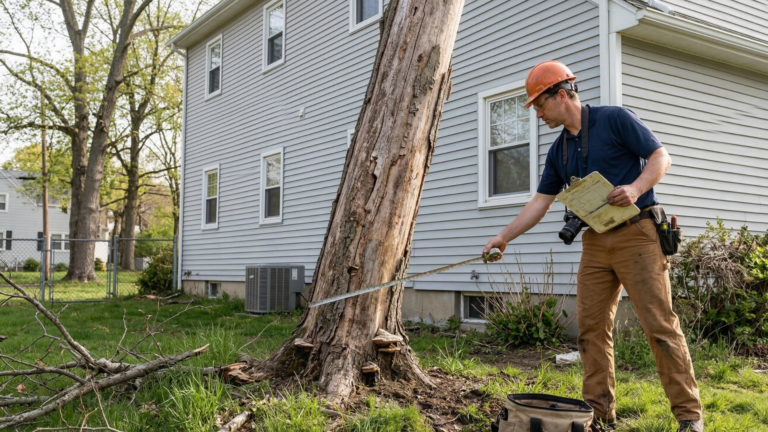
The removal process begins with a comprehensive evaluation where certified arborists measure trunk diameters, assess structural integrity, identify potential hazards, and verify property boundaries before providing formal estimates. This initial visit determines whether tree warden approval and public posting for 10 days will be required under local ordinances, particularly for street trees or specimens in designated protection zones. Arborists also call 811 for utility locates, ensuring underground and overhead lines receive proper clearance or coordination with power companies for temporary disconnections during rigging operations.
Municipal tree ordinance compliance requires submitting detailed site plans showing tree locations, proposed removal justifications, and replacement planting commitments where codes mandate replanting. Some Connecticut towns assess fees based on trunk caliper, while New York villages may require public hearings for removals exceeding certain size thresholds. Notification to abutting property owners becomes critical at this stage to prevent neighbor tree disputes, particularly where boundary lines are ambiguous or shared trees might trigger spite fence law protections if removal motives appear malicious rather than safety-driven.
Felling, Limbing, and Bucking
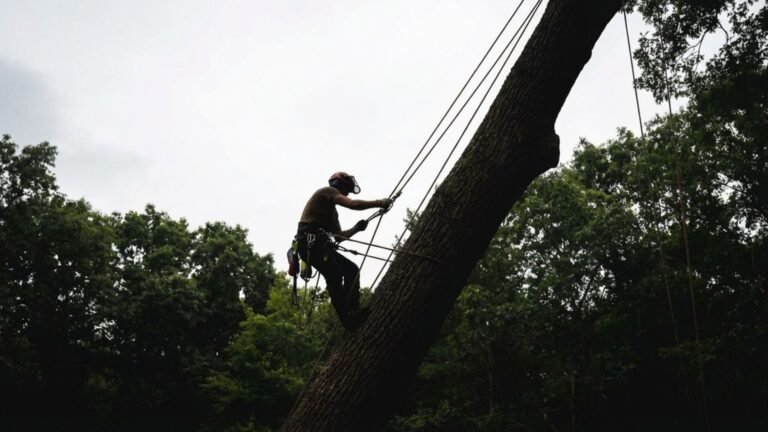
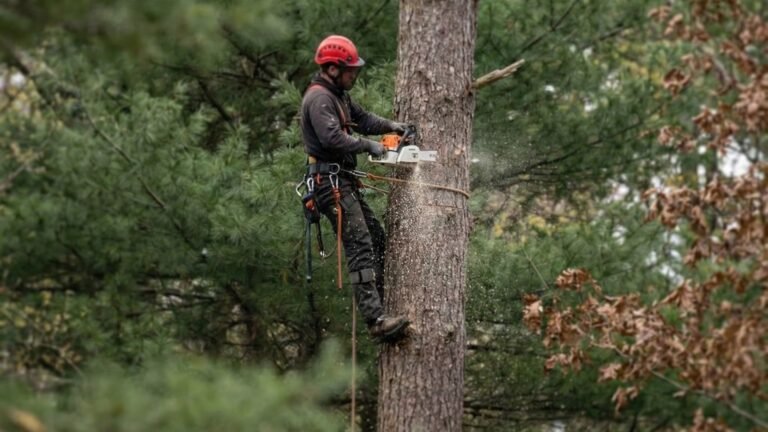
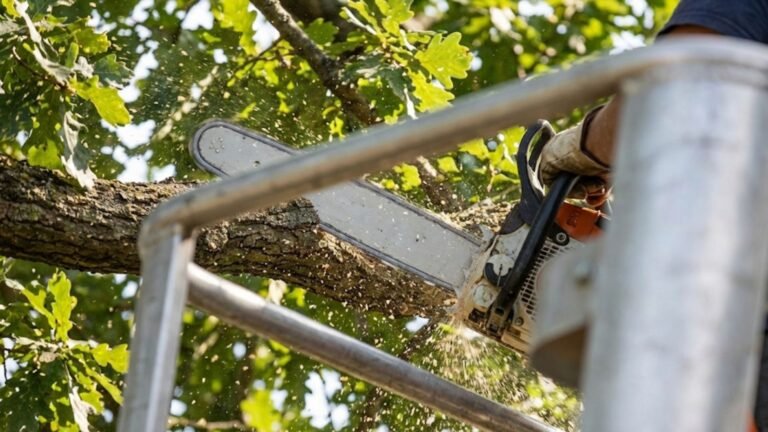
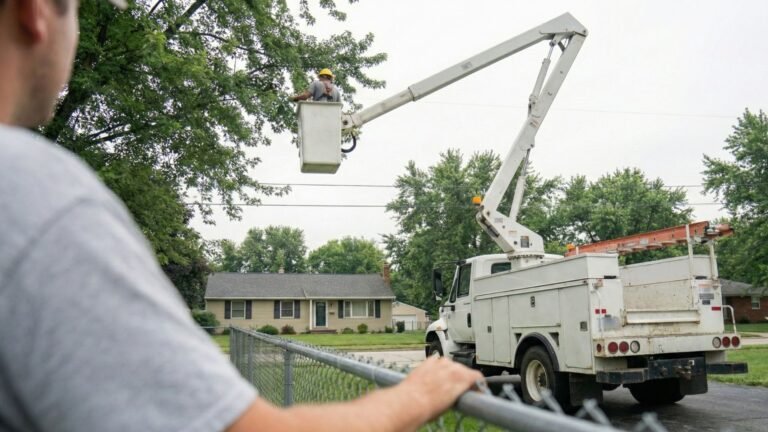
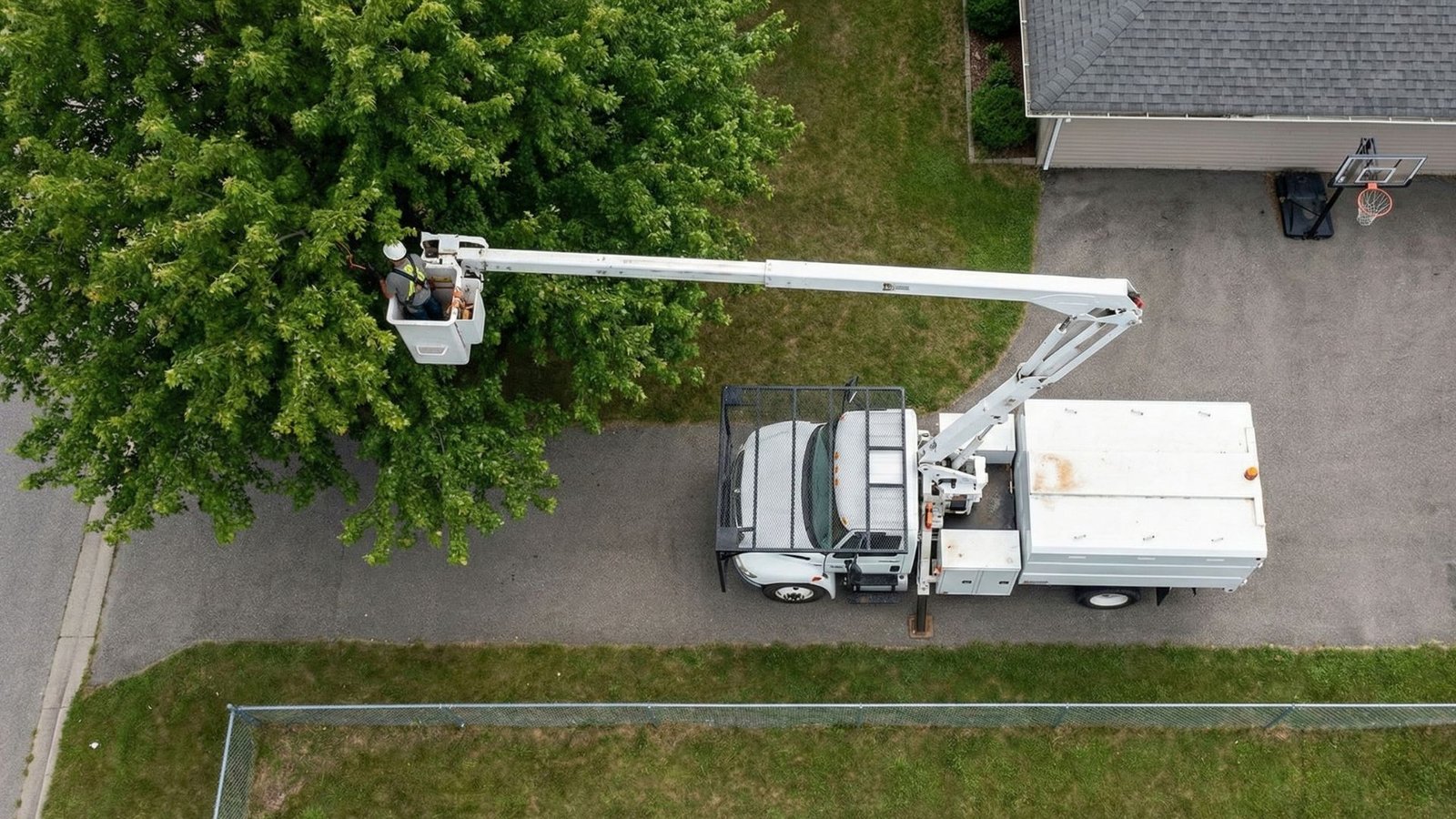
Once permits clear and notification periods expire, removal crews establish work zones with safety barriers and ground protection mats to minimize soil compaction on areas designated for future landscaping. The actual tree cutting for landscaping begins with sectional dismantling from the crown downward, where climbers or boom lifts allow controlled cutting of upper branches before addressing the main trunk. Each section lowers via rigging systems that prevent uncontrolled drops, protecting lawns, driveways, and structures within the fall radius.
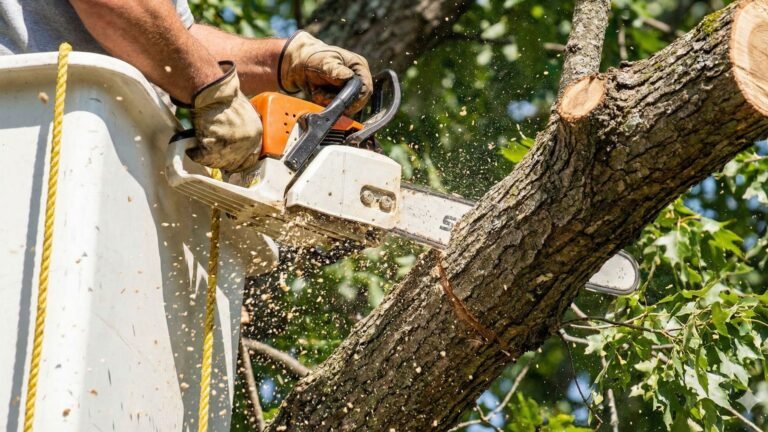
Professional sectional tree dismantling takes 4-8 hours for typical residential specimens, with climbers making strategic cuts that balance wood weight against rope strength and anchor point capacity. Limbing removes branches systematically before bucking the trunk into manageable sections for processing or removal. Larger projects may dedicate an entire day solely to felling multiple trees, with grinding and cleanup scheduled for subsequent days to maintain workflow efficiency and allow wood buyers to collect marketable timber before chip processing begins.
Stump Grinding and Initial Cleanup
The stump grinding process follows felling work, using specialized machines that reduce remaining stumps to wood chips and sawdust at depths of 6-12 inches below grade. This depth accommodates most lawn and garden plantings, though deeper grinding to 18-24 inches may be necessary for structures or significant tree replacements requiring root zone preparation. Each average residential stump requires 1-2 hours of grinding time, depending on diameter, species hardness, and root system extent.
Cleanup immediately follows grinding operations, with crews raking chips, hauling larger wood pieces, and spreading remaining mulch across the work area to protect exposed soil. Professional services include filling stump voids with soil and chip mixtures, though settling over subsequent weeks will require homeowners to add additional fill before final grading. Thorough cleanup minimizes debris that could interfere with landscaping after tree removal, leaving properties ready for the soil restoration yard phase that determines long-term success of new plantings in altered light and moisture conditions.
Additional Steps for Complex Removals
Properties with challenging access, multiple tree clusters, or proximity to utilities and structures require experienced crews who can adapt standard protocols to site-specific constraints. These complex scenarios extend timelines predictably but prevent the property damage and safety incidents that result from inadequately planned operations. Northeast homeowners frequently encounter these complications given older lot configurations, mature overstory development, and infrastructure proximity common to established residential neighborhoods throughout Connecticut and New York.
Managing Multi-Trees, Slopes, or Utilities
Clustered tree removal projects benefit from phased approaches where crews systematically work through groups over 2-3 days rather than rushing simultaneous operations that strain equipment and personnel. This phasing allows for staged cleanup, reducing the total volume of debris accumulated on site at any point and minimizing the footprint of disruption to usable yard areas. Sloped properties demand specialized rigging techniques and may require additional crew members to manage rope systems safely, adding 1-2 days to standard timelines for equivalent tree sizes on level ground.
Wetland tree regulations introduce another layer of complexity that requires DEEP coordination and buffer zone compliance in Connecticut, potentially adding 30 days to initial approval processes. Trees near overhead utility lines necessitate formal coordination with power companies, who may require temporary disconnections or assign dedicated line crews to monitor live wire clearances during removal operations. These utility considerations can delay project starts by weeks if scheduling conflicts arise, though proper advance planning by professional services typically minimizes these extensions through early notification and coordination protocols.
Yard Restoration Kickoff
Immediately following stump grinding and debris removal, professional crews initiate restoration processes that prepare sites for successful landscaping transitions. Filling stump voids with amended soil and compost mixtures provides better growing conditions than native clay alone, addressing nutrient depletion that occurred during decades of tree growth. Erosion control measures become critical on slopes or areas where tree root systems previously stabilized soil, with silt fencing and erosion blankets preventing sediment migration during the settling period.
Proper soil restoration includes organic amendments and pH adjustments that counteract changes in soil chemistry and structure following tree removal. Compacted work zones benefit from aeration to restore porosity for new root development, while drainage patterns may require observation over several rain events to identify low spots or channeling issues. These restoration kickoff steps overlap with the early settling period, allowing homeowners to address issues proactively rather than discovering problems after investing in new plantings that fail due to poor site preparation.
Permits, Utilities, and Regulations in CT and NY
Regulatory compliance separates professional tree removal operations from amateur work that exposes homeowners to fines, legal disputes, and project delays. Connecticut and New York maintain distinct but overlapping frameworks of municipal ordinances, state environmental protections, and property law provisions that collectively govern when, how, and under what conditions trees may be removed for landscaping purposes. Understanding these requirements upfront prevents the costly mistakes of proceeding without proper authorization or failing to notify parties with legitimate interests in the outcome.
Zoning and Spite Coordination
Municipal tree ordinance provisions vary significantly across Connecticut towns, with some requiring permits only for street trees while others regulate all specimens above certain size thresholds on private property. Norwalk’s ordinance, for example, protects trees in wetland buffers and requires detailed site plans for removals, with application fees and 10-30 day review periods before approvals issue. Tree wardens hold authority to deny permits when removals would significantly impact community canopy, particularly for healthy specimens that provide stormwater management or air quality benefits documented in urban forestry assessments.
New York’s spite fence laws under RPA §861 extend beyond traditional fence disputes to cover malicious tree destruction on neighboring properties or boundary lines. These provisions impose treble damages, meaning successful plaintiffs recover triple the tree’s appraised value plus legal costs, creating significant financial risk for homeowners who remove shared trees without proper documentation of safety hazards or mutual agreements. Proactive notification to abutting property owners during permit applications establishes good-faith intentions, reducing vulnerability to spite claims even if neighbors later object to approved removals.
Wetland considerations trigger additional state-level reviews in both Connecticut and New York, particularly for trees within 50-100 feet of water bodies, wetlands, or designated flood zones. These environmental reviews assess whether removal will destabilize banks, alter hydrology, or eliminate critical wildlife habitat, potentially requiring compensatory mitigation plantings or erosion control measures as permit conditions. Property owners should budget extra weeks for these approvals and be prepared to modify landscaping plans if regulators identify concerns about proposed changes to vegetative cover in sensitive areas.
What Homeowners Should Prepare For and Do
Active preparation helps homeowners minimize disruptions, protect valuable landscape features, and ensure smooth coordination with removal crews throughout the project timeline. Understanding daily expectations and taking proactive steps before work begins can reduce stress and prevent miscommunications that lead to dissatisfaction with final results. Professional tree removal companies appreciate clients who clear access routes, relocate movable items, and maintain realistic expectations about noise, debris, and temporary yard conditions during active work phases.
Daily Expectations During Removal
Day one typically brings the loudest disruptions, with chainsaws, wood chippers, and diesel equipment operating for extended periods as crews process canopy material. Homeowners should expect restricted access to driveways and yards within the work zone, with crews establishing safety perimeters that may temporarily block normal traffic patterns. The sectional tree dismantling process generates substantial wood chip piles and sawdust, even though professional services include cleanup in their pricing, intermediate accumulations may appear alarming before final hauling occurs at shift end.
Subsequent days bring stump grinding operations that produce vibrations felt throughout nearby structures and clouds of fine sawdust that settle on surrounding surfaces despite moisture controls. Being present for initial site walkthroughs allows homeowners to communicate specific concerns about delicate plantings, irrigation systems, or decorative features that crews should avoid during operations. Discussing the yard recovery timeline during these walkthroughs helps set realistic expectations about when new landscaping installations can proceed, preventing premature planting attempts in settling soil that will require additional fill.
Tips to Minimize Yard Tear-Up
Pre-removal brush trimming around tree bases improves crew access and reduces collateral damage to surrounding vegetation during felling and rigging operations. Relocating container plants, outdoor furniture, and pet enclosures from work zones eliminates obstacles and protects valuable items from wood chips or equipment contact. Watering lawns a day before grinding reduces dust generation while maintaining trafficability for heavy equipment, whereas muddy conditions from excessive watering can create ruts and compaction requiring additional restoration efforts.
Scheduling removals during off-peak permit periods, typically late summer through fall, can accelerate municipal approvals when tree wardens handle lighter application volumes. Fall tree removal timing also aligns with dormant seasons for most species, reducing stress on remaining landscape plants and allowing spring planting windows for replacement trees. Coordinating removal with larger landscaping redesigns streamlines contractor schedules and may provide cost efficiencies when excavation equipment and soil amendments are already mobilized for the broader project scope.
Process Comparison Table: Simple vs. Complex Tree Removal in CT/NY
| Phase | Simple Removal (Single Small Tree) | Complex Removal (Multi/Large on Slope) |
|---|---|---|
| Permitting/Posting | 10-14 days for warden review and posting | 14-30 days including potential public hearings |
| Felling/Grinding | 1 day for cutting and stump processing | 2-3 days with phased sectional work |
| Initial Cleanup | Same day debris removal and chip spreading | 1 additional day for thorough site restoration |
| Yard Recovery | 2-4 weeks for soil settling and amendment | 4-6 weeks for compaction relief and settling |
| Total Timeline | 1 day active work plus 4 weeks recovery | 3 days active work plus 6 weeks recovery |
Common Mistakes Homeowners Make During Tree Removal
Bypassing tree warden approval processes invites fines that can exceed removal costs themselves, with some municipalities assessing per-tree penalties plus mandatory replacement plantings that negate intended landscaping budgets. Homeowners who skip this step often discover violations during property sales when title searches reveal unpermitted work, creating closing complications and potential liability for new buyers. Professional tree removal services handle permit applications as standard practice, protecting clients from these regulatory pitfalls through proper documentation and municipal relationship management.
Ignoring spite law protections when removing boundary trees or specimens visible from neighboring properties creates legal vulnerability that far exceeds the cost of proper notification and documentation. Even when removal motives center entirely on legitimate safety concerns or landscaping preferences, failure to communicate with affected neighbors allows them to claim malicious intent if they suffer perceived harm from changed views, shade loss, or property value impacts. Proactive dialogue, written agreements, and professional arborist reports documenting hazards provide defensible records should disputes arise after work completes.
Skipping comprehensive stump grinding in favor of surface-level removals leaves subsurface hazards that complicate future landscaping, underground utility installations, and even lawn maintenance as mower decks encounter hidden protrusions. Stumps ground only to grade level continue sprouting, requiring ongoing herbicide applications or manual cutting that extends maintenance burdens indefinitely. Professional grinding to 6-12 inches below grade eliminates these issues while creating planting opportunities that utilize the nutrient-rich soil zone where root decomposition enriches growing conditions.
Neglecting soil restoration after tree removal sets up new plantings for failure in depleted, compacted substrates that cannot support healthy establishment regardless of species selection or care quality. Proper amendments and settling time allow drainage patterns to stabilize and soil structure to recover before expensive landscape installations proceed. Rushing this recovery phase to meet arbitrary deadlines frequently results in settling depressions, poor growth, and repeated replanting costs that dwarf the time saved by premature installation.
Preparing Your Property for Tree Removal in CT/NY
Early utility notification through 811 call-before-you-dig services provides essential clearance verification for underground lines that may have migrated from original installation locations over decades of tree root growth and soil movement. This free service marks electric, gas, water, and communication lines within 2-3 business days, allowing removal crews to plan grinding depths and access routes that avoid costly strikes. Even properties with no known underground utilities benefit from verification, as unmarked lines from previous owners or neighboring properties occasionally cross boundaries.
Neighbor notification extends beyond spite law protections to include practical courtesy about noise, debris, and access disruptions during active work periods. Advance communication allows neighbors to secure outdoor items, plan alternative parking if street access will be temporarily blocked, and adjust their schedules around the loudest operations. This proactive approach builds goodwill that proves valuable if minor property encroachments become necessary for safe rigging or if wood chips blow across boundaries despite crews’ best containment efforts.
Access path clearing removes obstacles that slow crew efficiency and increase hourly costs when equipment must navigate around items that could have been relocated before arrival. Defining staging areas for wood chip piles, identifying acceptable traffic routes for heavy equipment, and marking sprinkler heads or irrigation valves prevents accidental damage during operations. Reviewing zoning and tree protection requirements via municipal websites ensures all parties understand permit conditions and replacement planting obligations before work begins, avoiding surprises during final inspections.
Frequently Asked Questions About Tree Removal for Landscaping
Q: What is the typical tree removal process from start to finish?
A: The process begins with site assessment and permit applications, followed by a 10-day minimum posting period in Connecticut for tree warden review. Active work includes sectional felling and limbing, stump grinding to 6-12 inches below grade, and thorough cleanup with debris hauling or chip spreading. Most residential projects complete active removal in 1-3 days depending on tree size and quantity.
Q: How long does yard recovery take after stump grinding?
A: Soil settling requires 2-6 weeks before full landscaping installations can proceed successfully, with the timeline varying based on stump size, soil type, and amendment quality. Northeast clay soils benefit from longer settling periods, particularly when organic compost is incorporated to improve structure and drainage. Homeowners can install temporary erosion controls and observe drainage patterns during this recovery phase to identify any issues requiring correction before permanent plantings.
Q: Are tree removal permits required in my Connecticut or New York area?
A: Most Connecticut municipalities require permits for trees exceeding 8-12 inches diameter, with tree wardens evaluating removal requests and posting public notices for 10 days minimum. New York requirements vary by municipality, with some villages regulating all removals on lots under one acre and requiring replacement planting schedules. Check your specific town or village ordinances via municipal websites or consult with certified arborists familiar with local regulations to ensure compliance.
Q: What should I expect on tree removal day one?
A: The first active work day focuses on rigging setup, sectional cutting of upper canopy material, and initial limb processing, but typically does not include stump grinding. Crews establish safety perimeters, position equipment, and begin systematic dismantling from the crown downward using climbing or aerial lift techniques. Expect chainsaw and chipper noise throughout the day, with wood chip piles accumulating before final cleanup and hauling at shift end.
Q: How can I minimize spite neighbor issues during tree removal projects?
A: Early written notification to abutting property owners demonstrates good-faith intentions and provides opportunity for concerns to be addressed before work proceeds. Include copies of arborist reports documenting safety hazards or detailed landscaping plans showing how removal serves legitimate property improvement rather than malicious motives. Posting permits publicly as required by municipal ordinances establishes transparency that protects against spite law claims under New York RPA provisions.
Final Thoughts
Connecticut and New York tree removal services execute reliable, code-compliant projects by systematically addressing permit requirements, spite law protections, and regional soil conditions that influence both active disruption and long-term recovery. Understanding the complete timeline from warden postings through final landscaping installations, typically 1-3 days of active work plus 4 weeks of settling, helps homeowners plan confidently around temporary yard limitations. The phased approach that professionals employ balances efficiency with thorough site preparation, positioning properties for successful landscape transformations that thrive in altered sunlight and drainage conditions. Proper stump grinding, soil amendments, and erosion controls included in comprehensive removal services minimize prolonged tear-up while establishing foundations for healthy new plantings.
Long-term value emerges from investing in certified arborist removal rather than attempting amateur work or hiring uninsured crews who cut corners on permits and restoration. Professional services protect homeowners from regulatory fines, neighbor disputes under spite laws, and the costly mistakes of inadequate grinding or soil preparation that compromise subsequent landscaping investments. The weeks spent in proper settling and amendment integration deliver decades of improved growing conditions, supporting mature landscape visions that enhance property values and outdoor enjoyment far beyond initial project costs.
While tree removal for landscaping addresses overgrown specimens and design constraints, the broader transformation of your outdoor spaces benefits from comprehensive planning that integrates professional expertise across all phases. Hennessey Tree & Landscape CT serves Connecticut homeowners with certified services spanning hazardous tree assessment, complete removal operations, and full-scale landscape design that brings new visions to life after clearing makes space. Their teams handle municipal permit coordination, spite-proof neighbor communication, and soil restoration that positions your property for long-term success, whether you’re addressing single problem trees or reimagining entire yard layouts. Contact Hennessey Tree & Landscape CT to discuss how professional tree removal and landscape services can transform your property with minimal disruption and maximum value.