How to Get Affordable Tree Removal Without Sacrificing Safety?
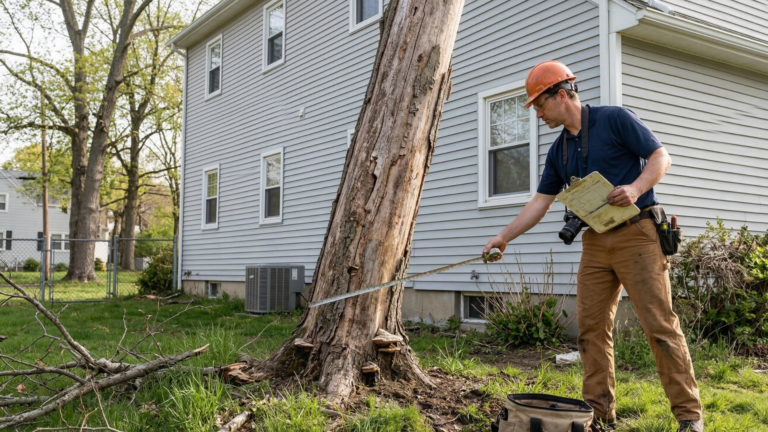
When a towering oak starts leaning toward your garage after last week’s windstorm, the knot in your stomach tightens as you imagine the process ahead. Homeowners across Connecticut and New York often watch tree crews arrive for hazard removals, their minds racing with concerns about torn-up lawns, how long the disruption will last, and whether local tree warden regulations will complicate everything. The good news is that affordable tree removal doesn’t mean cutting corners on safety or enduring weeks of chaos in your yard. Professional arborists follow a structured process that typically wraps up in just one to two days, with most of the mess contained to your driveway. Between wetlands buffers, zoning setbacks, and permit requirements unique to the Northeast, the path from assessment to final cleanup follows a predictable pattern you can prepare for. Understanding what actually happens during each phase can calm those “I don’t know what’s going to happen once they start” fears while keeping your budget in check.
Key Takeaways
- Tree Jobs Span 1-2 Days in CT/NY: Simple removals of 30-60 foot residential trees typically wrap up in a single day, while properties with slopes, wetlands buffers, or especially tall trees may extend to two days of active work. This timeframe keeps yard disruption minimal while allowing crews to follow proper safety protocols.
- Assessments Lead the Process: Hazard evaluations identify structural issues like rot or dangerous leans before work begins. When trees sit near public roads, Connecticut General Statutes §23-59 requires tree warden permits with at least 10 days’ notice, flagging potential issues early in the process.
- Sectional Felling Forms the Core: Following ANSI Z133 safety standards, certified crews use rigging systems to cut limbs in controlled sections. This precise approach minimizes scatter across your property, especially on sloped yards common throughout the region.
- Stump Grinding and Cleanup Complete the Job: Professional services grind stumps 6-12 inches below grade and haul away all debris, often restoring your yard to usable condition the same day. Full cleanup prevents the lingering mess that homeowners dread.
- CT/NY Permits Vary by Location: Tree warden applications often carry no fee when required, and wetlands reviews become necessary within 75-150 foot buffers of water features. There are no broad bans on private property tree removal, though local regulations add planning time.
- Safety Standards Keep Costs Manageable: Choosing ISA-certified arborists prevents costly fines, property damage, and the need for expensive do-overs. Safe practices typically keep residential removal bids between $400 and $1,200, balancing affordability with professional execution.
Understanding the Tree Removal Process in CT and NY
Professional tree removal services in the Northeast follow a reliable sequence designed specifically for properties featuring wooded slopes, strict municipal codes, and environmental protections. Connecticut and New York regulations emphasize tree warden oversight and wetlands protection over rushing through hazardous cuts. These regional requirements mean your removal project likely involves multiple checkpoints before chainsaws ever fire up.
Local spite laws and zoning ordinances protect neighboring properties from reckless tree work that could damage adjacent structures or violate property lines. When trees sit near wetlands, water bodies, or designated environmental buffers, additional erosion control measures and permit applications become necessary. These steps add planning time but prevent environmental violations that carry steep penalties. Budget tree cutting services that skip these regulatory requirements often leave homeowners facing fines that dwarf any initial savings.
Local Tree Environment and Process Needs
The Northeast’s steep terrain and dense utility line networks require pre-clearing coordination that flat-land removals don’t face. Before rigging equipment can safely operate, crews must verify tree warden approvals for any specimens near road edges and adapt their approach based on property access limitations. Connecticut municipalities like Southbury maintain specific protocols for hazardous tree evaluation and removal near public infrastructure.
Rocky soil conditions common throughout the region can extend stump grinding time compared to softer soils found elsewhere in the country. Crews working on properties with wetlands presence within 100 feet must stage equipment carefully to avoid disturbing protected zones. These regional factors don’t necessarily increase costs dramatically when you work with local licensed arborists familiar with navigating Connecticut and New York requirements efficiently.
National vs. CT/NY Removal Timelines
Baseline tree removal timelines in Connecticut and New York stretch longer than national averages due to mandatory tree warden posting periods, wetlands commission reviews, and the rigging techniques required for safe work on sloped properties. While a straightforward removal in flat states might complete in four to six hours, comparable jobs in the Northeast typically take one to two days when you factor in compliance requirements and terrain challenges.
Typical Timeline Ranges by Tree Size
Small trees under 30 feet tall generally take four to eight hours nationally for complete removal and cleanup. In Connecticut and New York, similar-sized removals average one to two days when permit alignment and specialized rigging for property protection get factored in. Medium trees between 30 and 60 feet extend to a full day or two of active work, while large specimens over 60 feet often require two full days with certified crews.
Emergency hazard removals can sometimes accelerate when immediate danger exists, but most residential projects benefit from following the standard timeline. Rushing increases risks to your property and the crew’s safety. Trees leaning dangerously after storms still need proper assessment and utility clearance before safe removal can proceed.
Day-by-Day Breakdown Models
Day one typically begins with morning assessment and utility verification, followed by afternoon felling and initial stump grinding when conditions allow. Complex removals involving wetlands buffers, heights exceeding 60 feet, or proximity to structures often extend to a second day dedicated to thorough cleanup and site restoration. Homeowners can expect heavy equipment presence during active removal phases, but most noise and disruption concentrates in the first day.
Crews working on properties with environmental restrictions spend extra time on erosion control setup and staging equipment outside protected zones. This careful approach prevents violations while maintaining steady progress. The phased timeline allows for inspection checkpoints that catch potential issues before they become expensive problems.
Key Steps in the Tree Removal Process
Core phases of professional tree removal deliver consistent results that meet ANSI safety standards whether you’re removing a storm-damaged oak or clearing space for construction. These steps integrate regional regulations seamlessly, preventing surprises that derail timelines or budgets.
Site Preparation and Assessment
Every safe removal begins with calling 811 for free utility locates at least two business days before scheduled work. Certified arborists conduct hazard evaluations examining trunk lean, visible rot, root stability, and proximity to structures. Drop zones get staked and measured to confirm adequate clearance for sectional dismantling. For trees near roads or on public property, crews verify tree warden authorization and confirm zoning setback compliance.
Properties with slopes or wetlands require additional site mapping to identify safe equipment positioning and debris staging areas. Tarps and protective barriers go up around valuable landscaping, driveways, and building foundations. This preparation phase prevents most property damage and keeps cleanup contained to manageable zones.
Felling and Dismantling
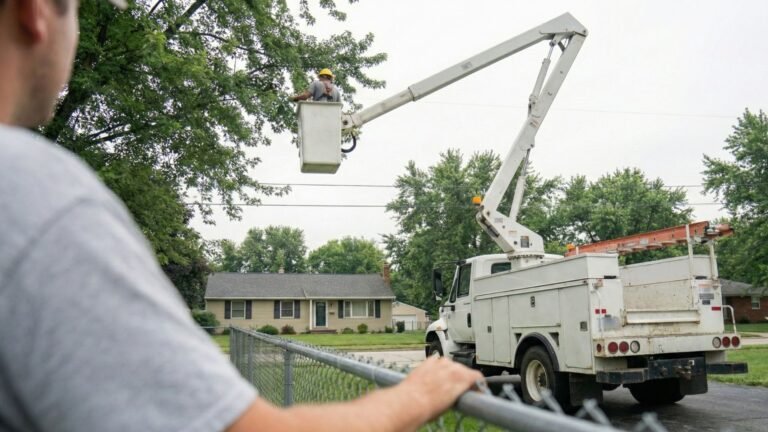
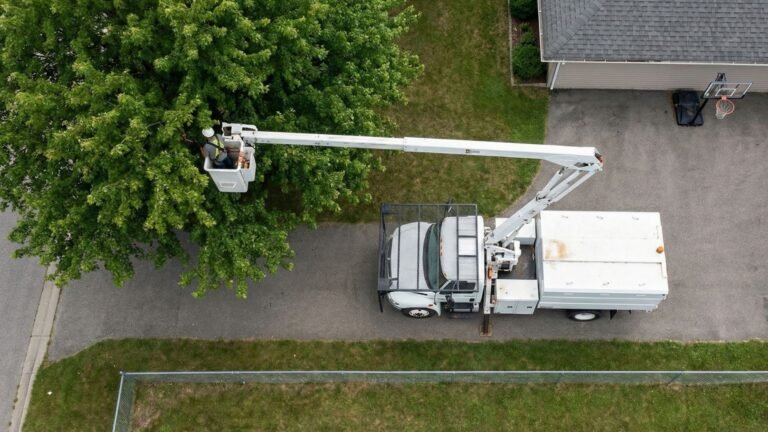
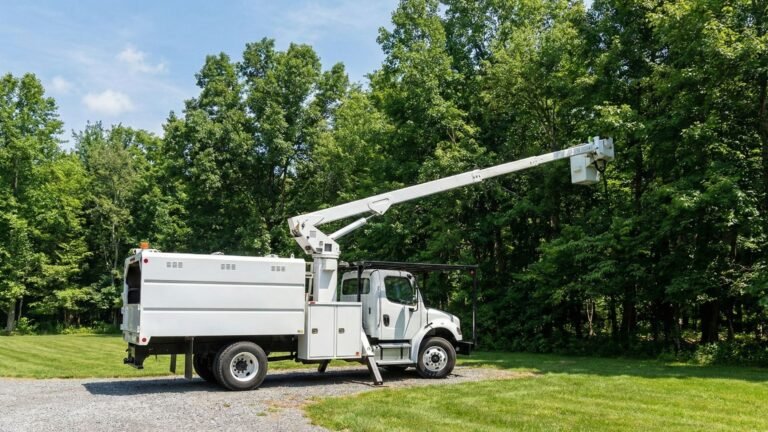
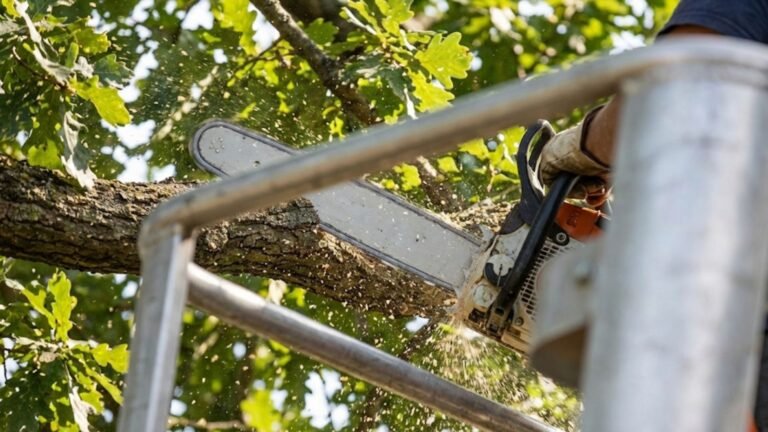
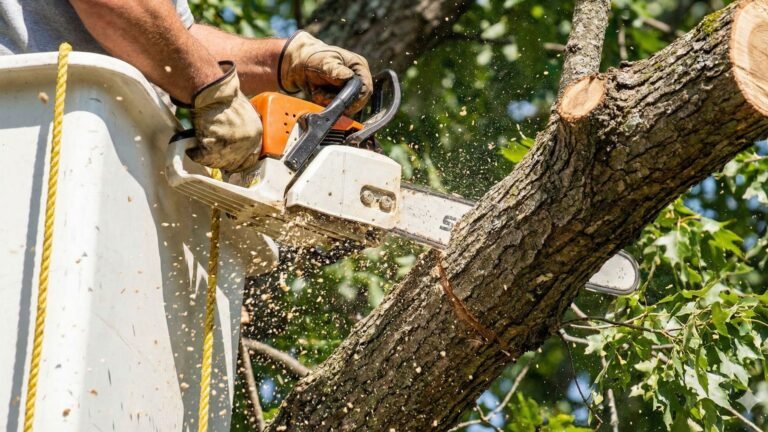
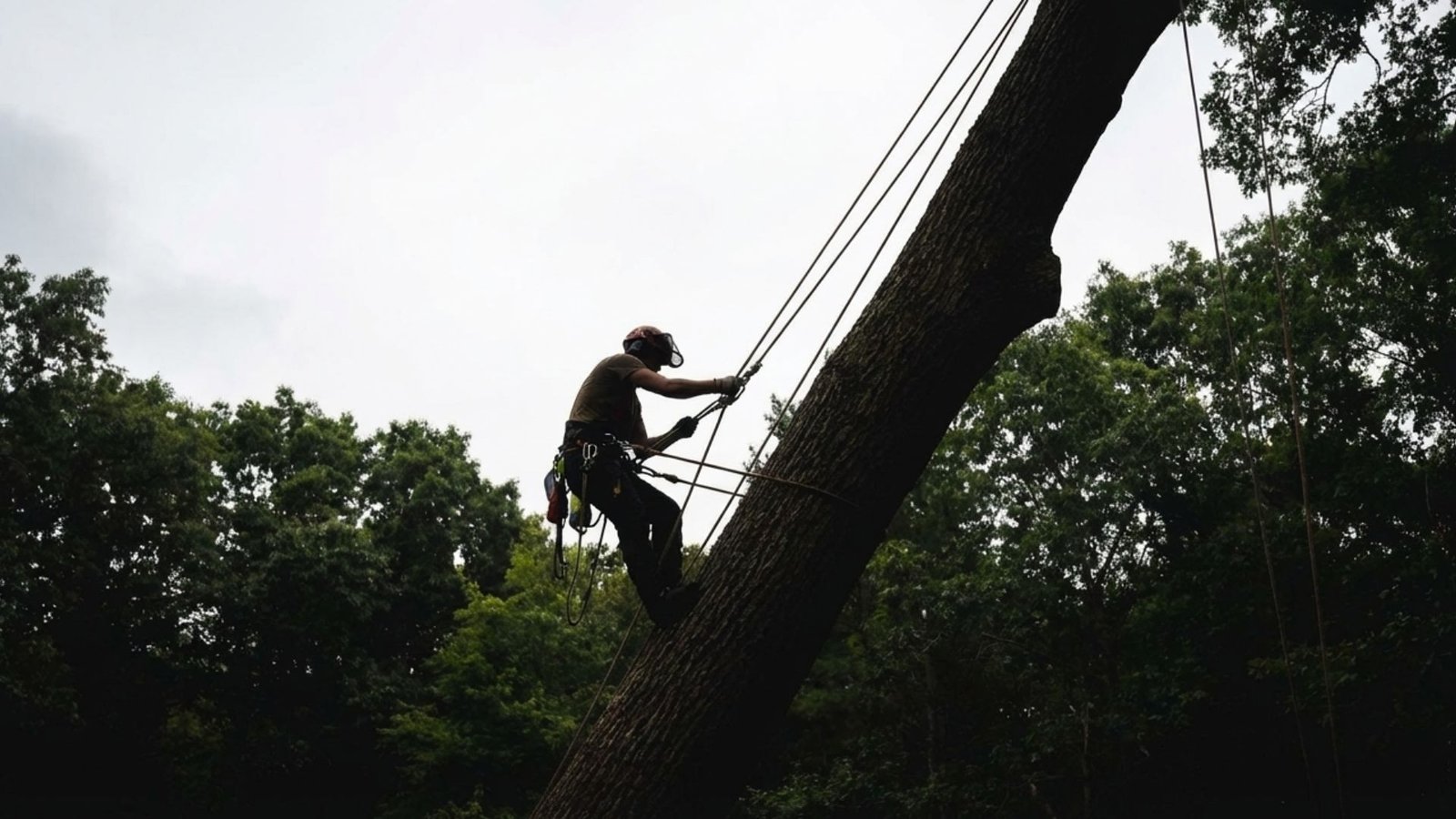
Following ANSI Z133 safety requirements, certified climbers work from the top down, removing limbs in controlled sections using rope systems and precision cuts. This sectional approach prevents large falling pieces that could damage structures or injure crew members. Crane assistance becomes necessary when dangerous leans or proximity to buildings make climbing too risky.
Ground crews clear cut sections continuously, feeding limbs through chippers and stacking logs for removal. The trunk comes down last in manageable pieces sized for safe handling. Properties with limited access may require smaller equipment and more hand work, extending the timeline slightly but maintaining the same safety standards.
Stump Grinding and Initial Cleanup
Professional stump grinders reduce remaining wood to 6-12 inches below grade, allowing for immediate reseeding or replanting. Crews chip smaller limbs on-site and haul larger wood pieces away in trucks, typically with everything removed by day’s end. Tarp-contained staging minimizes lawn exposure and grass damage throughout the process.
Final sweeps collect sawdust, small debris, and grinding residue. Many services include basic site restoration like raking disturbed areas and filling the stump hole with soil and seed. This attention to cleanup detail prevents the “torn up yard” scenario homeowners worry about when they schedule tree work.
Additional Steps for Complex Removals
Full-service tree companies adapt their approach for Northeast-specific challenges while preserving affordability through efficient techniques. Complex situations don’t automatically mean premium pricing when handled by experienced local professionals.
Handling Slopes, Wetlands, and Hazards
Hillside properties require rigged drops where gravity-assisted felling isn’t safe. Crews install rope systems to lower sections gently rather than letting them roll downhill. Within 75-150 foot wetlands buffers, silt fencing and erosion controls protect water quality during and after removal. Emergency protocols for trees leaning toward structures involve stabilizing guy-wires and systematic dismantling that eliminates sudden shifting.
These additional precautions typically add only one extra day to the project timeline for most residential properties. The alternative approaches risking property damage or environmental violations cost far more than the measured pace required for safe execution. Crews experienced with Northeast conditions complete complex removals without the dramatic cost increases homeowners sometimes fear.
Finishing Touches and Yard Restoration
After hauling major debris, crews perform detailed sweeps collecting small wood chips and grinding dust. Disturbed areas receive grass seed and erosion control mulch the same week, preventing bare spots from developing. Photo documentation throughout the process provides records for permit compliance and insurance purposes if questions arise later.
Properties subject to wetlands regulations receive final inspections confirming proper erosion control installation and adherence to buffer restrictions. This documentation closes the permit loop and prevents follow-up violations. Most homeowners see grass regrowth in two to four weeks, with no long-term yard damage from professional tree work.
Permits, Utilities, and Regulations in CT and NY
Understanding pre-job legal requirements prevents delays and ensures smooth project starts from assessment through final cleanup. Connecticut and New York municipalities take tree management seriously, with specific protocols that protect public safety and environmental resources.
Tree Warden and Utility Coordination
Connecticut General Statutes §23-59 requires applications to town tree wardens for removing or pruning trees on public roads or grounds, with at least 10 days’ public notice posted before work can proceed unless immediate hazard conditions exist. This notice period allows for public input and appeals hearings if neighbors object to the proposed removal. Private property trees generally don’t require tree warden approval unless they sit within road right-of-way zones.
Calling 811 before any digging provides free utility locates marking underground electric, gas, water, and communication lines. This federally mandated service prevents dangerous strikes and costly repairs. Wetlands permit applications go through municipal Inland Wetlands and Watercourses Commissions when work falls within regulated buffer zones, typically requiring site plans and erosion control specifications.
Local zoning ordinances may add requirements for spite fence setbacks or protected tree species. Licensed arborists handle permit navigation as part of their service, incorporating processing time into project schedules. Homeowners attempting DIY permit applications often face delays from incomplete paperwork or missing documentation that professionals know to include upfront.
What Homeowners Should Prepare For and Do
Your role during the removal process directly impacts efficiency and final results. Simple preparation steps smooth the way for crews to work safely while minimizing disruptions to your daily routine.
Daily Expectations During Removal
Day one brings equipment noise, sawdust in the air, and restricted access to removal zones. Chainsaw operation, chipper motors, and stump grinders generate substantial noise from morning through afternoon. Approve designated drop zones before work begins, and secure pets and delicate outdoor plants in safe locations away from the work area.
Plan for crew members needing occasional access to water and bathroom facilities. Clear driveways and access routes of vehicles, toys, and lawn furniture that could obstruct equipment movement. Most disruption concentrates in the active removal phase, with cleanup being relatively quiet and quick.
Tips to Minimize Disruptions
Pre-trim overhanging branches away from the target tree to create clear work zones. Schedule non-emergency removals during off-peak seasons when contractors offer lower bids and have more flexible scheduling. Getting three quotes from ISA-certified professionals helps you avoid premium pricing while ensuring qualified crews.
Bundle multiple services like pruning healthy trees alongside removals to capture package discounts. Remove unnecessary items from work zones yourself rather than paying crews to relocate them. Ask about debris options, as keeping firewood rounds instead of full haul-away can reduce costs if you have use for seasoned wood.
Process Comparison Table: Simple vs. Complex Tree Removal in CT/NY
| Phase | Simple Removal (Small Hazard Tree) | Complex Removal (Slope/Wetlands) |
|---|---|---|
| Prep & Assessment | 1-2 hours including utility checks | Half day with wetlands buffer mapping |
| Felling/Dismantling | 2-4 hours for straightforward cuts | 4-8 hours with ANSI-compliant rigging systems |
| Stump/Cleanup | 1 hour grinding and sweep | 2 hours with full haul-away |
| Total Timeline | 4-8 hours / 1 day complete | 1-2 days with permit compliance |
Common Mistakes Homeowners Make During Tree Removal
Skipping the 811 utility locate call before any digging risks hitting buried lines, creating dangerous situations and expensive repairs. Attempting unpermitted cuts near public roads violates CGS §23-59 and can result in fines up to triple the tree’s assessed value. Choosing the cheapest uninsured bid frequently leads to property damage, safety incidents, and the cost of hiring qualified professionals to fix botched work.
Homeowners sometimes fail to verify contractor credentials, working with unlicensed operators who lack proper insurance coverage. When accidents occur or property damage happens, uninsured contractors leave you holding the financial bag. Rushing into removal without proper assessment misses structural defects that could cause unexpected failures during cutting.
Neglecting to communicate with neighbors about scheduled work creates conflicts, especially when debris or equipment temporarily affects adjacent properties. Clear advance notice and professional conduct from certified crews prevent most neighbor complaints before they start.
Preparing Your Property for Tree Removal in CT/NY
Call 811 for utility locates at least two business days before your scheduled removal date, giving marking crews time to identify underground infrastructure. Walk your property with your contractor to mark valuable landscaping, sprinkler heads, and decorative features that need protection during work. For trees near public roads or in road right-of-way zones, contact your town tree warden before obtaining contractor quotes to understand permit requirements and timelines.
Clear access routes of vehicles, lawn furniture, grills, and children’s play equipment. Trim back shrubs and low branches that could obstruct equipment movement or create safety hazards for ground crews. If your property includes wetlands or water features within 150 feet of the target tree, gather any existing property surveys or wetlands delineation documents to share with your contractor.
Notify immediate neighbors about scheduled work dates, especially if equipment will temporarily block shared driveways or create noise during business hours. This courtesy prevents surprises and demonstrates respect for your community. Most professional services appreciate homeowners who prepare thoroughly, as it streamlines their work and reduces project completion time.
Frequently Asked Questions About Affordable Tree Removal
Q: What is the typical tree removal process?
A: Professional tree removal follows a structured sequence starting with site assessment and utility locates, followed by sectional felling using safe rigging techniques, then stump grinding and complete debris cleanup. Most residential projects complete in one to two days, with preparation work happening upfront and restoration wrapping up quickly after cutting.
Q: How long does tree removal take?
A: Simple removals of smaller trees typically take four to eight hours from start to final cleanup. Complex jobs involving slopes, wetlands permits, or especially large trees extend to one to two full days when following proper safety protocols and regulatory requirements. Emergency hazard removals can sometimes proceed faster when immediate danger exists.
Q: Are permits required for tree removal in my area?
A: Connecticut requires tree warden approval for trees on public roads or grounds, while private property trees generally need permits only when within wetlands buffers. Regulations vary by municipality, so professional arborists familiar with local requirements handle permit navigation as part of their service. New York follows similar patterns with local ordinance variations.
Q: What should I expect on removal day?
A: Crews arrive with safety gear, cutting equipment, and chip trucks, spending the first hours on setup and final hazard evaluation. Heavy cutting and noise concentration occurs mid-day, with no major yard disruption until safe work zones are fully established. Most mess stays contained to designated staging areas, typically your driveway or other hard surfaces.
Q: How can I get affordable safe tree removal?
A: Choose ISA-certified local contractors who understand regional regulations and terrain challenges. Bundle tree removal with other services like pruning or hazard assessments for package discounts. Avoid crane rental premiums by scheduling removals that don’t require heavy equipment. Get three written quotes comparing scope, insurance coverage, and timeline details rather than just price.
Final Thoughts
Affordable tree removal in Connecticut and New York combines professional safety standards with efficient processes that typically complete within one to two days, addressing homeowner concerns about prolonged yard disruption and unpredictable costs. Understanding the structured phases from initial assessment through final debris sweep helps you prepare properly while maintaining realistic expectations about timelines and requirements. Regional regulations involving tree wardens, wetlands buffers, and local zoning add planning steps that protect both your property and environmental resources, though these requirements rarely create insurmountable obstacles when handled by experienced professionals.
Choosing certified arborists who follow ANSI safety standards and maintain proper insurance coverage delivers the dual benefits of code-compliant work and protection from liability if accidents occur. The investment in qualified tree removal prevents costly property damage, environmental violations, and the need to hire additional contractors to fix substandard work. Your restored yard, free from hazardous trees and their stumps, provides immediate usability and peace of mind knowing the job was completed safely and thoroughly.
Hennessey Tree & Landscape CT brings deep expertise in navigating Connecticut’s tree warden requirements, wetlands regulations, and the terrain challenges common throughout the region. Our ISA-certified crews combine efficient sectional dismantling techniques with meticulous cleanup that leaves your property better than we found it, typically completing residential removals in one to two days with minimal lawn disruption. When you’re ready to address that leaning oak or clear space for your next landscaping project, contact us for a detailed assessment and transparent quote that balances affordability with the safety standards your property deserves.