Do You Need a Permit for Tree Removal Near Me in Connecticut?
That towering oak leaning toward your house after last night’s storm has you reaching for your phone, but should your first call go to a tree service or the town hall? CT tree removal laws can feel like a maze of local ordinances, tree wardens, and wetland regulations that vary wildly depending on where your property sits.
Many Connecticut homeowners worry about not just getting the job done safely, but how long their yard will look like a construction zone while dealing with permits, steep slopes, and those infamous 42-inch frost lines. The good news is that while you might face different rules in Branford versus Avon, most residential tree removals follow a predictable pattern once you understand the regulatory landscape.
Your specific situation may involve quick hazard removal approvals or longer wetland buffer reviews, but knowing what to expect can turn a stressful project into a manageable one. Whether you’re dealing with a single dangerous tree or clearing multiple specimens near water features, the right preparation can get your yard back to normal in weeks, not months.
Key Takeaways
- Tree Jobs Span 2-6 Weeks in CT: Simple hazard removals often finish in 1-2 weeks, while projects involving wetlands or steep slopes can extend to 6-8 weeks due to erosion controls and regrowth monitoring requirements.
- Tree Warden Leads Assessment: Connecticut law under CGS §23-59 requires mandatory contact with your local tree warden for public trees or hazard situations, though wardens often waive hearings for urgent safety issues.
- Permits Vary by Zone: There’s no statewide permit requirement for private trees, but local ordinances frequently regulate trees over 8-12 inches in diameter, and wetlands approvals can take 1-4 weeks.
- Removal Phased for Safety: Professional crews use sectional felling, stump grinding, and debris chipping to complete the heavy work in 1-2 days while protecting your property.
- Northeast Factors Add Steps: Frost delays, slope silt fences, and nuisance law checks are standard precautions in Connecticut’s unique environment that can add extra time to projects.
- Restoration Quickens Recovery: Seeding and mulch applications typically happen within the same week as removal, making your yard usable within days and fully green in 4-8 weeks.
Understanding the Tree Removal Process in Connecticut
Connecticut’s landscape presents unique challenges that shape how tree removal projects unfold. Between rocky soils, rolling hills, wetland areas, and residential lots tucked into wooded neighborhoods, the state’s environmental characteristics require careful planning beyond just cutting down a tree. State regulations prioritize protecting wetland buffers (typically 75-150 feet), preventing erosion on slopes, and maintaining frost-stable ground for stump removal rather than allowing hasty cuts that could cause property damage or environmental harm.
The legal framework adds another layer of complexity. Connecticut’s spite laws under CGS §52-480 prohibit tree removal that intentionally harms neighboring properties, so your arborist needs to verify that falling trees or heavy equipment won’t damage adjoining land. Additionally, inland wetlands enforcement through local conservation commissions can stop projects cold if work begins in protected zones without proper permits.
Local Tree Environment and Process Needs
Regional variations across Connecticut mean your removal timeline depends heavily on where you live. Northwestern towns with steep ridgelines face stricter clearing limits, while coastal communities may have salt-tolerant species requiring different handling techniques. Tree wardens in each municipality verify public tree status, coordinate utility flag-outs, and review diameter-based zoning restrictions before chainsaws can start, adapting their approach based on whether your lot has crane access or requires manual rigging.
Older neighborhoods with mature canopy trees often involve more complex logistics. Trees that grew up alongside power lines or within 10 feet of structures need sectional dismantling rather than straight felling, which takes longer but protects your home and keeps the power on. Properties near streams or vernal pools trigger automatic wetland reviews, while those on grades steeper than 25% require erosion and sediment controls that add several days to site preparation.
National vs. CT Tree Removal Timelines
If you’ve removed trees in other states, you might expect Connecticut jobs to follow similar schedules, but Northeast conditions create distinct timing differences. Nationally, straightforward removals on flat, dry lots typically wrap up in 1-3 days from permit to cleanup. Connecticut averages 1-2 weeks for comparable projects due to mandatory tree warden notifications with 10-day public posting periods and stricter buffer compliance around water features and wetlands.
Weather patterns play an outsized role here compared to warmer climates. The state’s freeze-thaw cycles, which can drop ground temperatures below 32°F from December through March, make stump grinding difficult and risk soil heaving when equipment compacts frozen earth. Many arborists recommend scheduling removals in spring (April-May) or fall (September-October) when soil is workable but not saturated, avoiding both frozen ground and the summer mosquito season that makes wetland work miserable.
Typical Timeline Ranges by Tree Size
Tree diameter significantly affects how long your yard remains a work zone. A single 12-inch diameter oak on a clear lot might require only 6-8 hours of active work, but the permitting phase alone can take 7-14 days if your tree warden needs to post public notice for trees along public ways or within town rights-of-way. Larger specimens (24+ inches) near structures demand more careful dismantling, specialized rigging equipment, and additional crew members, stretching active removal to 2-3 days.
Multiple trees complicate scheduling further. If you’re clearing five mature trees from a sloped lot, expect the project to span 2-3 weeks total: one week for coordinated permits and site prep, 3-4 days for sequential removal and grinding, and another week for debris haul-out and restoration. The phased approach prevents crews from tearing up your entire property at once, maintaining access paths and minimizing compacted soil zones.
Day-by-Day Breakdown Models
A typical straightforward removal follows this pattern: Week 1 involves calling your tree warden, submitting any required local permits, and waiting out the mandatory posting period (often 10 days). Days 1-2 of actual work see crews arrive with safety barriers, fell the tree in sections if needed, and grind the stump below grade. Days 3-5 cover debris chipping, rough grading of the stump hole, and initial seeding or mulching to stabilize exposed soil.
Complex jobs with wetland involvement or significant slopes stretch this timeline considerably. After the initial warden contact, you might wait 3-4 weeks for conservation commission review and erosion control plan approval. Site preparation then adds 2-3 days for installing silt fences and equipment mats before removal can begin. The actual cutting and grinding phase remains similar (1-3 days), but post-work monitoring for erosion and revegetation extends for 30-60 days under wetland permit conditions, though your yard becomes usable much sooner.
Key Steps in the Tree Removal Process
Understanding each phase helps you anticipate when your property will be disrupted and when normalcy returns. Professional tree services break projects into manageable stages that balance safety, regulatory compliance, and minimizing the time your yard looks like a disaster zone. Whether you’re removing a single hazard tree or clearing multiple specimens, these core phases remain consistent across Connecticut.
Site Assessment and Permit Pursuit
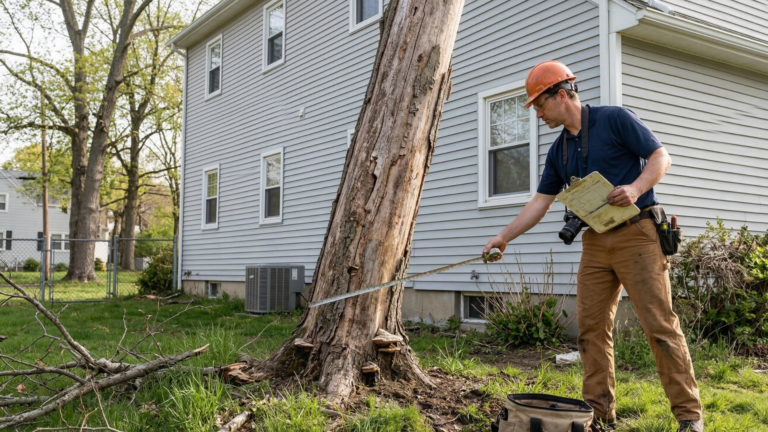
Before any equipment arrives, your first step involves contacting your town’s tree warden. This isn’t optional for public roadside trees or hazards under CGS §23-59, and even for clearly private trees, wardens provide valuable guidance on local permit requirements. During this initial contact, ask whether your municipality has diameter-based ordinances (many regulate trees over 8-12 inches) and if your property falls within any wetland buffer zones.
Utility companies need notification 48-72 hours before work begins through Connecticut’s Call Before You Dig service (811). This flags underground lines and prompts utility crews to mark overhead clearances, preventing dangerous contact with power lines during felling. For properties near streams, wetlands, or conservation areas, your tree service should survey for the typical 75-100 foot buffer zones that trigger inland wetlands permit requirements, which can add 2-4 weeks to your timeline but prevent costly stop-work orders.
Felling, Limbing, and Stump Handling
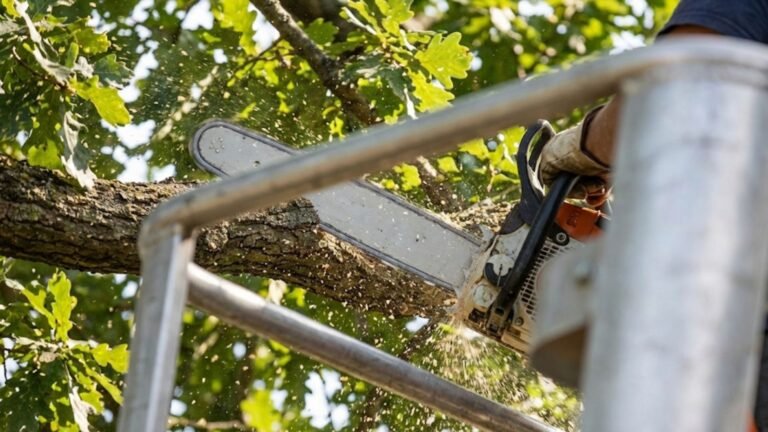
Removal day brings the most visible activity to your property. Professional crews establish safety perimeters using orange fencing or caution tape, keeping family members and pets at a safe distance. For trees near structures, sectional dismantling becomes necessary: climbers ascend and remove branches in manageable pieces, lowering them with ropes to prevent property damage. Open-area trees may allow traditional directional felling, where a notch cut guides the tree’s fall away from hazards.
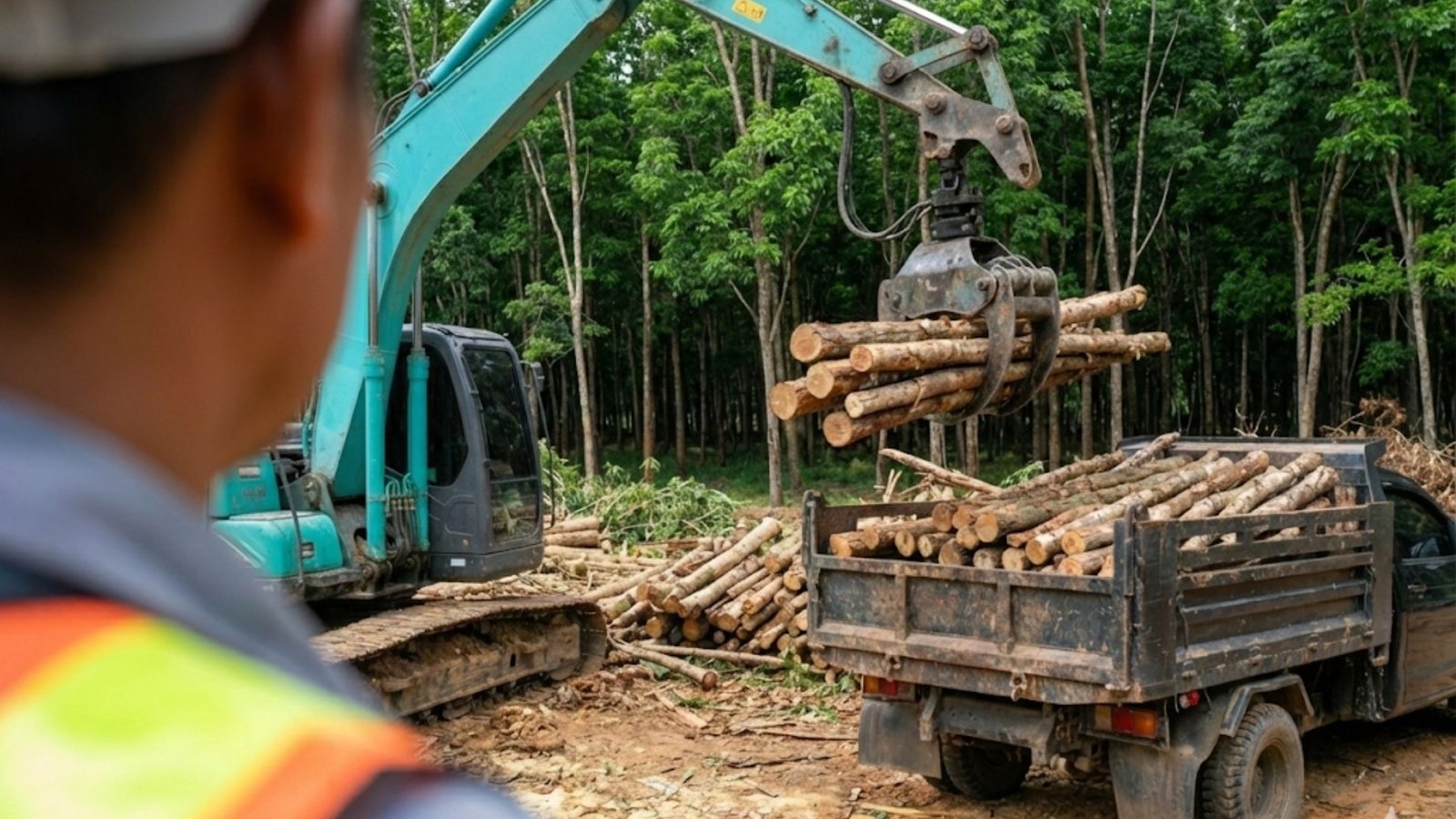
Stump grinding in Connecticut requires going below the 42-inch frost line in many cases to prevent future heaving and settling, especially if you plan to build or pave over the area. Grinders reduce stumps to wood chips 8-12 inches below grade, creating a depression that crews backfill with the chips mixed with topsoil. This process takes 30-60 minutes per stump for average-sized trees, longer for large specimens with extensive root systems. On-site chipping of branches converts bulky limbs into manageable mulch, often recycled on your property or hauled away in dump trucks.
Debris Management and Initial Grade
Clean sites reflect professional standards and speed up restoration. Most reputable services include debris removal in their quotes, chipping branches on-site with tub grinders that reduce a 40-foot tree to a truckload of wood chips. You can often negotiate to keep some chips for garden mulch, though be aware that fresh chips need a few months of aging before use around plants to avoid nitrogen depletion in soil.
The rough grading phase fills stump holes and levels equipment ruts to restore basic yard contours. Crews use the churned wood chips mixed with topsoil to backfill depressions, then rake the surface to prevent puddling. This initial pass won’t make your yard pristine, but it establishes proper drainage and creates a workable surface within hours of the heavy equipment leaving. Final grading and seeding typically happen the same day or within 48 hours, weather permitting.
Additional Steps for Complex Removals
Not all tree jobs follow the straightforward path outlined above. Connecticut’s terrain and environmental regulations introduce complications that homeowners should anticipate when budgeting time and money. Recognizing these factors early helps you set realistic expectations about when your property returns to normal use.
Managing Slopes, Wetlands, and Hazards
Properties with grades steeper than 25% require erosion and sediment control measures that add 3-7 days to project timelines. Silt fences installed along downslope edges catch sediment runoff, while timber mats distribute equipment weight to prevent soil compaction and rutting. These installations happen before any cutting begins and remain in place through final restoration, extending the period your yard has construction fencing and barriers.
Wetland-adjacent work faces the strictest oversight. If your tree sits within regulated buffer zones monitored by the state Department of Energy and Environmental Protection (DEEP), expect conservation commission review that can take 4-6 weeks. The upside is that hazard situations often qualify for emergency bypasses: if a storm-damaged tree threatens your home or blocks a road, wardens and wetland agents typically approve immediate removal with after-the-fact permit processing, saving weeks of waiting.
Ridge-top properties or lots within historic districts encounter additional zoning reviews. Connecticut’s ridgeline protection laws under CGS §8-1aa restrict clear-cutting on prominent slopes, sometimes requiring you to leave certain trees or plant replacements. Historic preservation commissions review tree removals visible from public roads in designated districts, adding another 2-3 weeks for architectural review board meetings.
Finishing Touches and Erosion Control
Once the tree comes down and the stump disappears, your focus shifts to preventing erosion and promoting regrowth. Straw or hay mulch spread over exposed soil slows water runoff and protects germinating seeds from washing away. Native grass seed mixes adapted to Connecticut’s climate establish faster than generic blends, typically showing green shoots within 10-14 days under favorable spring or fall conditions.
Spite law considerations under Connecticut nuisance doctrines mean your contractor should verify that debris, equipment access, or falling branches don’t damage neighboring properties. Professional services photograph adjoining areas before work begins, document property lines, and may require neighbor sign-offs if work occurs within 10 feet of boundary lines. This due diligence prevents legal headaches and maintains community relationships.
Permits, Wardens, and Regulations in Connecticut
The regulatory landscape for tree removal in Connecticut operates on multiple levels, creating a system where no single “yes” or “no” answer exists about permits. Understanding which agencies have jurisdiction over your specific situation prevents costly mistakes and project delays.
Zoning, Wetlands, and Warden Coordination
There’s no blanket statewide permit requirement for removing healthy trees on private property, but this creates a patchwork of local rules you need to research. Many Connecticut municipalities regulate trees based on diameter at breast height (DBH), typically setting thresholds at 8-12 inches. Once a tree exceeds this size, you need town approval even on your own land, with permit fees ranging from $50-200 and processing times of 10-30 days.
Tree wardens hold significant authority over public shade trees and roadside specimens. Under CGS Chapter 451, these elected or appointed officials manage trees within town rights-of-way, which can extend 10-25 feet from the road edge depending on your town. If your tree’s trunk sits within this zone or its canopy overhangs it, you need warden approval before cutting. The good news: wardens often waive the standard 10-day public hearing requirement for obvious hazards, issuing emergency permits within 24-48 hours for trees threatening structures or blocking roads.
Wetland regulations operate independently through municipal inland wetlands agencies. Connecticut’s Inland Wetlands and Watercourses Act prohibits unregulated activities within designated buffer zones, typically 75-150 feet from streams, ponds, or mapped wetlands. Before removing trees in these areas, you’ll file an application with your town’s wetlands agent or conservation commission, triggering a review process that examines erosion potential, wildlife habitat impacts, and water quality protection. Approval can take 4-8 weeks unless you qualify for an emergency exemption.
State highway trees fall under different rules entirely. CGS §13a-140 prohibits removing trees along state roads without Department of Transportation permits, with fines up to $1,000 per violation. If your property abuts Route 2, I-95, or other state routes, contact the DOT district office before touching any tree, even if it appears to be on your land. Survey verification of property lines becomes critical in these situations.
What Homeowners Should Prepare For and Do
Active participation from homeowners makes tree removal projects run smoother and finish faster. While professional crews handle the technical work, your preparation and daily involvement during the project phase can prevent delays and minimize disruptions to your household routine.
Daily Expectations During Removal
Days 1-2 bring the most intense activity and noise. Chainsaws, chippers, and stump grinders create significant sound that neighbors will notice, so consider giving them advance warning. Professional crews typically start between 7-8 AM and work until 4-5 PM, weather permitting. Dust from grinding and chipping can settle on nearby vehicles and outdoor furniture, so covering or moving these items beforehand saves cleanup time later.
Plan to be present for at least the initial safety briefing and the final walkthrough. Your contractor should review the work plan, point out safety barriers, and confirm which trees are marked for removal before any cutting begins. This prevents costly mistakes where the wrong tree comes down. At project completion, walk the site with the crew leader to verify stump grinding depth, debris removal, and initial grading before signing off and releasing final payment.
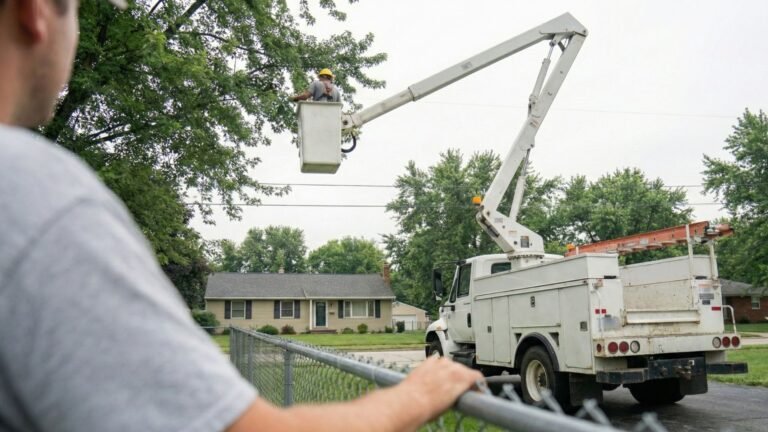
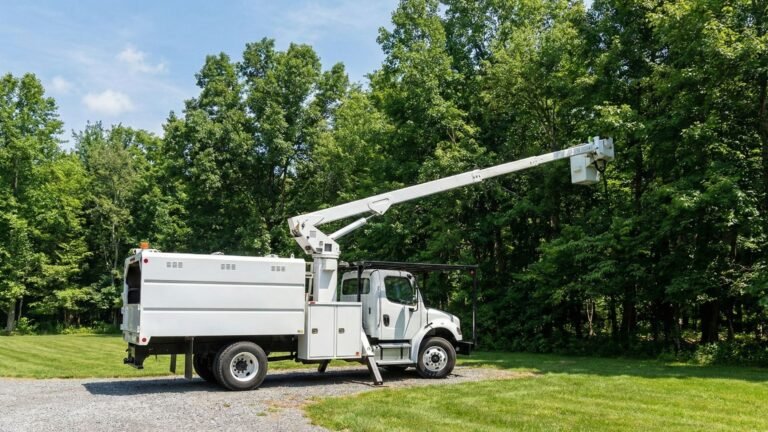
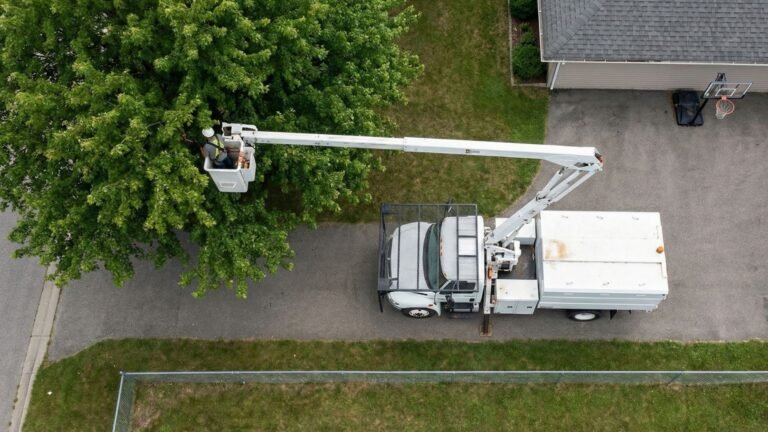
Access becomes a major consideration during active work phases. Heavy equipment like bucket trucks, cranes, and tub grinders need clear paths from street to work site, typically 12-14 feet wide. You’ll lose use of driveways or side yards during work hours, so arrange alternate parking for vehicles and plan pet/child supervision to keep them away from the active zone. Most services request that homeowners secure pets indoors during grinding operations, as the noise and equipment movement can stress animals.
Tips to Minimize Yard Disruptions
Timing your project strategically reduces recovery time and mess. Spring and fall offer ideal conditions in Connecticut: soil is workable but not saturated, temperatures support rapid grass growth, and frozen ground or summer droughts won’t complicate work. Avoid scheduling removals during your busiest seasons, holidays, or when you’re planning outdoor events. A wedding or graduation party three weeks after tree removal gives grass time to establish, while a two-week timeline might leave visible work zones.
Pre-trimming underbrush and clearing the immediate area around target trees before crews arrive saves billable hours and reduces trip hazards for workers. Mark underground sprinkler heads, invisible dog fences, and septic system components so heavy equipment avoids them. Remove or relocate garden decorations, play equipment, and potted plants from the work zone to prevent accidental damage.
Communicate openly with your contractor about restoration priorities. If you need specific areas usable quickly (like paths to a garage or side door), mention this upfront so crews can phase their work to restore these zones first. Discuss whether you want wood chips left for mulch, logs cut to firewood length, or complete haul-away. Clear agreements prevent misunderstandings and ensure your yard looks how you expect when work wraps up.
Process Comparison Table: Simple vs. Complex Tree Removal in CT
| Phase | Simple Removal (Single Hazard Tree) | Complex Removal (Wetlands/Slope Cluster) |
|---|---|---|
| Assessment/Permit | 7-14 days for tree warden notification and basic town permit | 3-6 weeks including wetland buffer review and erosion control plan approval |
| Felling/Stump | 1 day for cutting, sectional dismantling if needed, and grinding | 2-3 days using cranes for tight access and equipment mats to protect slopes |
| Debris/Cleanup | 4-8 hours for on-site chipping and rough grading | 1-2 days for haul-out, erosion barrier installation, and multi-tree debris processing |
| Restoration/Regrow | 1 day for seeding and mulching, 4 weeks for visible grass growth | 3-5 days for staged restoration and silt fence removal, 8 weeks for monitored revegetation in buffer zones |
| Total Timeline | 2-4 weeks from initial contact to usable yard | 4-8 weeks including regulatory review and post-work monitoring |
Common Mistakes Homeowners Make During Tree Removal
Even well-intentioned property owners can stumble into problems that delay projects or increase costs. Recognizing these common errors helps you avoid them and keeps your removal on schedule.
The biggest mistake is skipping the tree warden contact. Even if you’re certain a tree sits entirely on your private land, warden notification protects you from fines under CGS §23-59 if any part of the trunk or root system extends into public right-of-way. What looks like private property can legally be town jurisdiction, and wardens have records of these boundaries. A quick phone call or email prevents stop-work orders and potential thousand-dollar penalties.
Ignoring wetland buffers ranks second. Many homeowners assume that because they see no standing water, they’re clear of wetland regulations. Connecticut’s protected zones extend 75-150 feet upslope from water features, often encompassing areas that look like normal lawn or woodland. Conservation commissions have mapped these boundaries, and work without permits triggers mandatory restoration at your expense plus fines. Always check wetland maps at your town hall before scheduling removal.
Poor seasonal timing creates avoidable headaches. Scheduling removals during mud season (late March/early April) or frozen ground periods (December-February) means equipment tears up lawns, ruts become semi-permanent, and restoration waits months for workable conditions. Similarly, waiting until tree work becomes an emergency forces you to accept whatever timeline and cost urgent situations demand, often at premium rates.
Skipping the final walkthrough before releasing payment leaves you with no leverage for fixing incomplete work. Professional services should meet restoration standards, but verifying stump grinding depth, debris removal, and proper grading while crews and equipment are still on site ensures quick correction of any issues. Once they’ve moved to the next job, callback scheduling becomes more difficult.
Preparing Your Property for Tree Removal in Connecticut
Smart preparation before crews arrive shortens the actual disruption period and helps projects stay on budget. These steps take minimal effort but significantly smooth the removal process.
Contact your tree warden as your first action, even before getting contractor quotes. Wardens can tell you immediately whether your tree requires a permit, falls under public jurisdiction per CGS §23-59, or needs a formal hearing. This information helps you provide accurate details to contractors bidding the job and prevents surprises when permit denials or unexpected fees surface mid-project.
Mark boundaries clearly before work begins. Flagging tape or spray paint identifying property lines prevents accidental encroachment onto neighbors’ land and helps crews understand work limits. If you’re unsure where boundaries sit, especially in wooded areas, hiring a surveyor for a few hundred dollars can prevent thousand-dollar liability issues if equipment or falling debris damages adjoining property.
Clear access paths from street to work zone, removing obstacles like hoses, toys, lawn furniture, and decorative elements that heavy trucks might crush or that create trip hazards for workers. If gates provide the only equipment access, measure widths to verify 12-14 foot clearance for bucket trucks and chippers. Discovering access problems on removal day delays work and may require rescheduling if equipment can’t reach the site.
Notify neighbors with consideration for community relations. A quick heads-up about upcoming noise, equipment traffic, and temporary disruptions maintains goodwill, and neighbors may move their own vehicles or outdoor items to safer locations. In dense subdivisions, this courtesy prevents complaints to town officials that could complicate your permitting or trigger spite law reviews if neighbors claim your work damages their property.
Document existing conditions with photos or video, capturing the tree’s location, surrounding landscape features, and neighbor property boundaries. This record protects you if disputes arise later about property damage or compliance with permit conditions. Date-stamped images from your phone provide sufficient documentation for most purposes.
Frequently Asked Questions About Tree Removal Permits and Process Near Me in CT
Q: Do you need a permit for tree removal in Connecticut?
A: Connecticut has no statewide permit requirement for removing healthy trees on private property, but local ordinances in most municipalities regulate trees over 8-12 inches in diameter. You’ll definitely need permits for trees in wetland buffer zones (75-150 feet from water), along state highways, or within public rights-of-way. Always check with your town’s tree warden and zoning office before starting work to avoid fines up to $1,000 per violation.
Q: How long does the tree removal process take in Connecticut?
A: Total timelines typically run 2-6 weeks from initial contact to restored yard. Permitting takes 1-4 weeks depending on your situation, actual removal and stump grinding require 1-2 days for most residential jobs, and restoration with seeding shows visible results within another 1-2 weeks. Complex projects involving wetlands or steep slopes can extend to 6-8 weeks due to erosion control requirements and longer permit reviews.
Q: What role does the tree warden play in Connecticut tree removal?
A: Tree wardens oversee all public shade trees and specimens within town rights-of-way under CGS §23-59, with authority to require permits or public hearings before removal. For hazardous trees, wardens often issue emergency approvals within 24-48 hours, bypassing the standard 10-day public notice period. Even for clearly private trees, contacting your warden provides valuable guidance on local regulations and helps verify you won’t accidentally violate public tree protections.
Q: What should I expect on tree removal day?
A: Crews arrive early (7-8 AM typically) with chainsaws, chippers, and stump grinders creating significant noise for 4-12 hours depending on tree size. Safety barriers go up first, then sectional dismantling begins if the tree sits near structures, with pieces lowered by rope to prevent property damage. Stump grinding happens last, reducing stumps 8-12 inches below grade and filling the depression with wood chips. Your yard won’t look pristine yet, but the heavy disruption ends within 1-2 days, with final grading and seeding following shortly after.
Q: How can I prepare my yard for tree removal?
A: Clear the work area of lawn furniture, toys, and decorative items, mark underground utilities and sprinkler heads, and flag property boundaries with tape or spray paint. Verify gate widths allow 12-14 foot clearance for equipment access, move vehicles out of driveways near the work zone, and secure pets indoors during grinding operations. Contact your tree warden early to confirm permit requirements so crews can start immediately when they arrive rather than discovering regulatory issues on work day.
Final Thoughts
Connecticut tree removal combines predictable professional processes with state-specific regulatory requirements that homeowners can successfully manage once they understand the system. The typical 2-6 week timeline from assessment through restored yard reflects mandatory tree warden coordination, local zoning compliance, and careful adaptation to slopes, wetlands, and frost conditions common throughout the state. While permit reviews and buffer protections extend project schedules compared to simpler landscapes, these safeguards prevent erosion, protect water quality, and maintain the environmental character that makes Connecticut properties valuable.
Breaking the process into phases helps demystify what homeowners fear will be weeks of torn-up yards and construction chaos. Reality proves less disruptive: 1-2 days of heavy equipment activity, another few days of finishing work, and then rapid grass recovery that restores usability. Proactive contact with tree wardens, clear communication with neighbors, and strategic seasonal timing turns potentially stressful projects into routine property maintenance.
If you’re facing tree removal decisions on your Connecticut property, Hennessey Tree & Landscape CT brings decades of experience managing the regulatory landscape alongside the technical challenges of safe tree work. Our certified arborists handle everything from tree warden coordination and wetland permit applications to crane-assisted removal and complete site restoration, ensuring your project meets all local requirements while finishing on schedule. Contact us for a detailed assessment of your specific situation, transparent timelines that account for permits and site conditions, and professional service that leaves your property safer and more attractive than before. Your trees deserve expert care, and your property deserves a partner who understands Connecticut’s unique removal requirements from first assessment to final seeding.