Tree Removal Services In Oxford CT: Your Complete Homeowner’s Guide
Standing in your driveway, looking up at that massive oak tree leaning dangerously close to your roof after last week’s storm, you might be wondering where to even begin. When you need professional tree removal services in Oxford CT, the process can feel overwhelming between safety concerns, local regulations, and finding the right contractor. Oxford’s heavily wooded neighborhoods mean many homeowners face similar decisions about aging trees, storm damage, or simply creating more space for family activities. Whether you’re dealing with an emergency situation or planning ahead for property improvements, understanding your options and choosing qualified professionals can save you time, money, and potential headaches down the road.
Key Takeaways
- Oxford’s Wooded Character Creates Unique Challenges: Mature hardwoods and evergreens provide beauty but require professional assessment when they threaten homes or driveways
- Professional Services Offer More Than Basic Removal: Local companies provide pruning, stump grinding, emergency response, and specialized equipment for complex removals.
- Safety Should Always Come First: DIY tree work poses serious risks, making insured professional services the smart choice for any significant tree work
- Local Regulations May Apply: Trees near roadways or utilities often require coordination with town officials or utility companies
- Multiple Factors Affect Pricing: Tree size, location, access challenges, and required equipment all influence the final cost of removal services
- Preventive Care Reduces Future Problems: Regular inspections and maintenance help avoid emergency removals and protect your property investment
Understanding Tree Removal in Oxford CT
Oxford’s suburban landscape features some of Connecticut’s most beautiful mature trees, but the town’s heavily wooded character also means homeowners regularly face decisions about tree management. The community sits in western New Haven County, where residential properties often back up to forest areas or feature established stands of native hardwoods close to homes and driveways.
Connecticut’s native tree species, including red maple, northern red oak, sugar maple, and eastern hemlock, create the dense canopies that make Oxford neighborhoods so attractive. However, these same trees can become significant hazards when they develop structural problems, suffer storm damage, or simply outgrow their original planting locations.
The state’s climate patterns add another layer of complexity to tree management. Winter storms, heavy snow loads, and high winds can damage limbs and compromise tree stability, creating risks that property owners must address promptly to protect buildings, vehicles, and family safety.
Local Tree Environment and Risks
Oxford’s tree population reflects typical New England forest composition, with mature oaks, maples, pines, and mixed hardwood stands dominating residential areas. These species generally live for decades or centuries when healthy, but several factors can compromise their structural integrity over time.
Weather-related stress represents one of the primary concerns for Oxford homeowners. Ice storms can split major limbs, while summer thunderstorms with straight-line winds can uproot trees with shallow root systems or damage those already weakened by drought or disease. Connecticut forestry officials regularly document how weather events create hazardous conditions that require professional assessment and removal.
Disease and pest issues also contribute to tree removal needs in the area. Emerald ash borer, beech leaf disease, and various fungal infections can weaken trees gradually, making them more susceptible to failure during normal weather conditions. Property owners often don’t notice these problems until a tree begins dropping large branches or shows obvious signs of decline.
Common Reasons Homeowners Need Tree Removal
Tree removal requests in Oxford typically fall into several predictable categories, each requiring different approaches and considerations. Understanding these common scenarios can help homeowners recognize when professional evaluation might be necessary and what services they might need.
Safety and Property Protection
The most urgent removal needs involve trees that pose immediate or developing threats to people and property. Homeowners frequently contact tree services when large branches hang over roofs, driveways, children’s play areas, or outdoor gathering spaces where falling limbs could cause serious injury or damage.
Structural problems in trees develop gradually but can create sudden failure risks. Root damage from construction, soil compaction, or drainage changes can destabilize even healthy-looking trees. Similarly, internal decay from old wounds, lightning strikes, or disease can hollow out trunk sections while leaving the exterior bark intact, creating hidden hazards that only trained professionals can properly assess.
Trees growing too close to foundations, septic systems, or underground utilities also create long-term property risks. Root systems can damage foundations, clog drainage systems, or interfere with utility lines, leading to expensive repairs if not addressed proactively through removal or strategic root management.
Storm and Weather Damage
Connecticut’s weather patterns regularly create tree emergencies that require immediate professional response. Ice storms can split trunks or drop massive limbs without warning, while summer storms with microbursts or tornadoes can uproot healthy trees or leave them partially fallen and extremely dangerous to approach.
Post-storm situations often require specialized equipment and techniques to safely remove damaged trees without causing additional property damage. Trees leaning against houses, tangled in power lines, or blocking driveways need careful assessment and methodical removal to prevent further problems during cleanup.
Emergency tree services become particularly important when damaged trees threaten essential services or access routes. A tree across a driveway might prevent emergency vehicle access, while limbs on power lines can create fire hazards or extended outages that affect entire neighborhoods.
Property Improvements and Curb Appeal
Many Oxford homeowners schedule tree removals as part of planned property improvements rather than emergency responses. Home additions, new driveways, swimming pools, or solar panel installations often require removing trees that would otherwise interfere with construction or ongoing function.
Landscape renovation projects frequently include selective tree removal to open up yard space, improve sunlight for gardens, or create better sight lines from windows. These planned removals allow homeowners to coordinate tree work with other contractors and minimize disruption to established landscaping.
Curb appeal improvements sometimes involve removing trees that have outgrown their original locations or no longer fit the property’s aesthetic goals. While removing healthy trees requires careful consideration, strategic removals can dramatically improve property appearance and value when done thoughtfully.
Types of Tree Removal Services in Oxford CT
Professional tree companies serving Oxford typically offer comprehensive services beyond basic tree cutting, recognizing that property owners often need multiple related services to complete their projects effectively.
Standard and Hazardous Tree Removal
Basic tree removal services handle straightforward removals in open yard areas where trees can be safely felled without complex rigging or specialized equipment. These jobs typically involve smaller trees or those with adequate clearance from structures, vehicles, and utility lines.
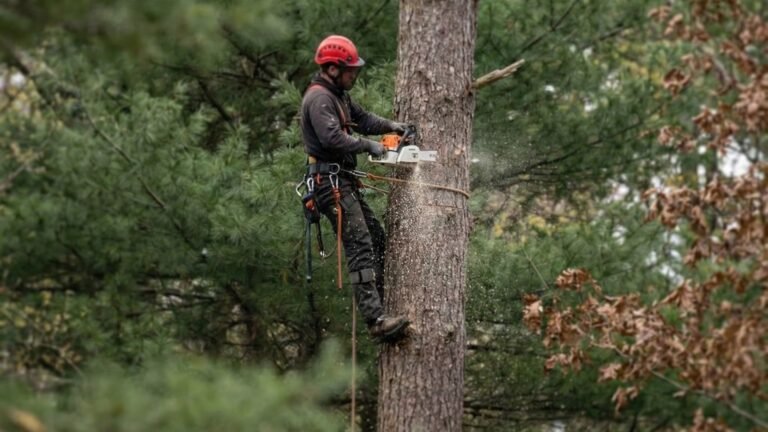
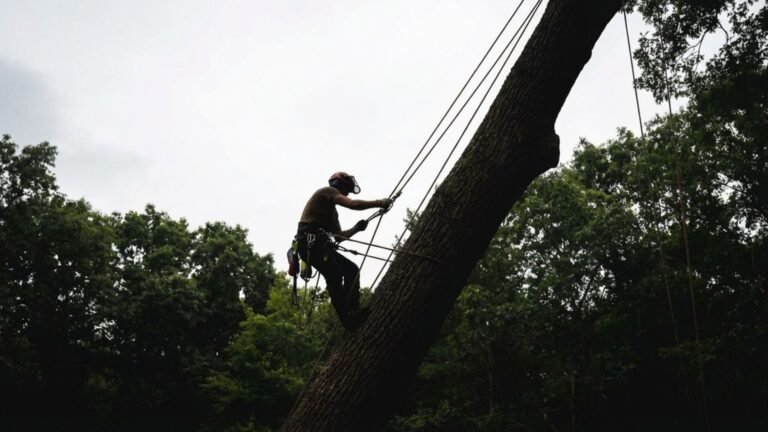
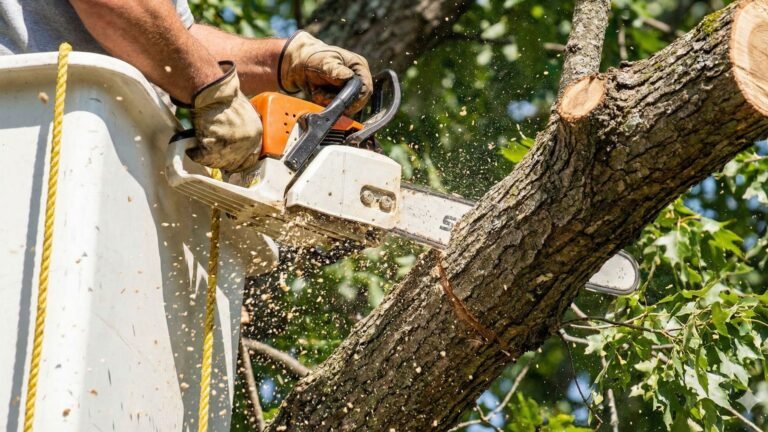
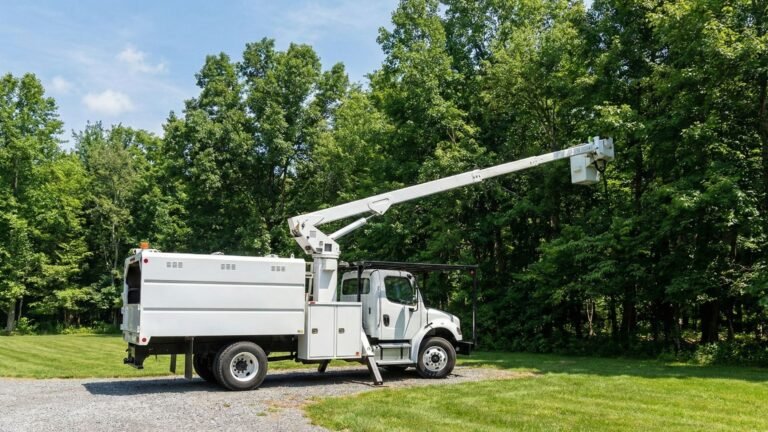
Hazardous removals require significantly more expertise and equipment when trees are close to homes, fences, power lines, or other sensitive areas. Professional crews use bucket trucks, cranes, and sophisticated rigging systems to dismantle large trees piece by piece, carefully controlling where each section lands to prevent damage.
Complex removals might involve multiple days of work, especially for very large trees or those in extremely tight spaces. Crews often need to remove sections no larger than what their rigging systems can safely handle, making the process methodical but much safer than attempting to fell entire trees in constrained areas.
Stump Grinding and Root Management
Stump grinding services remove the visible portion of tree stumps and major surface roots, allowing properties to be restored for normal use after tree removal. Standard grinding typically goes 6-12 inches below ground level, which is sufficient for most lawn restoration or replanting projects.
Deeper grinding services may be necessary when property owners plan to build structures, install driveways, or plant large replacement trees in the same location. Some projects require complete root removal to prevent regrowth or eliminate potential obstacles for future construction.
Many Oxford tree services offer options for handling wood chips generated during stump grinding, either removing them completely or leaving them on-site for use as mulch or soil amendment in other landscape areas.
Land and Lot Clearing
Larger projects involving multiple tree removals often require specialized land clearing services that can handle entire sections of wooded property efficiently. New construction sites, major landscape renovations, or property line clearances typically benefit from coordinated removal of multiple trees.
Professional land clearing services include proper disposal of all debris, coordination with local regulations regarding tree removal permits, and restoration of cleared areas for their intended future use. These projects often require different equipment and approaches than single-tree removals.
Environmental considerations become particularly important during land clearing projects, especially regarding erosion control, wildlife habitat protection, and compliance with local conservation regulations that may apply to larger-scale tree removals.
Emergency and Storm Response
24/7 emergency services become critical when storms damage trees that pose immediate threats to people or property. Emergency response teams prioritize situations where trees have fallen on homes, are blocking emergency access routes, or are hanging precariously over occupied areas.
Emergency services typically focus on making situations safe quickly rather than complete cleanup, which may follow later as separate projects. Initial response might involve removing trees from roofs or roadways, securing partially fallen trees, or eliminating immediate electrical hazards.
Storm response coordination often involves working with insurance companies, utility crews, and municipal agencies to prioritize the most critical situations and ensure that emergency work complies with safety protocols and documentation requirements for insurance claims.
Safety, Insurance, and Local Considerations
Tree work consistently ranks among the most dangerous occupations due to the combination of chainsaws, heights, heavy equipment, and unpredictable falling objects. These inherent risks make professional services essential for any significant tree work around Oxford properties.
Why DIY Tree Removal Is Dangerous
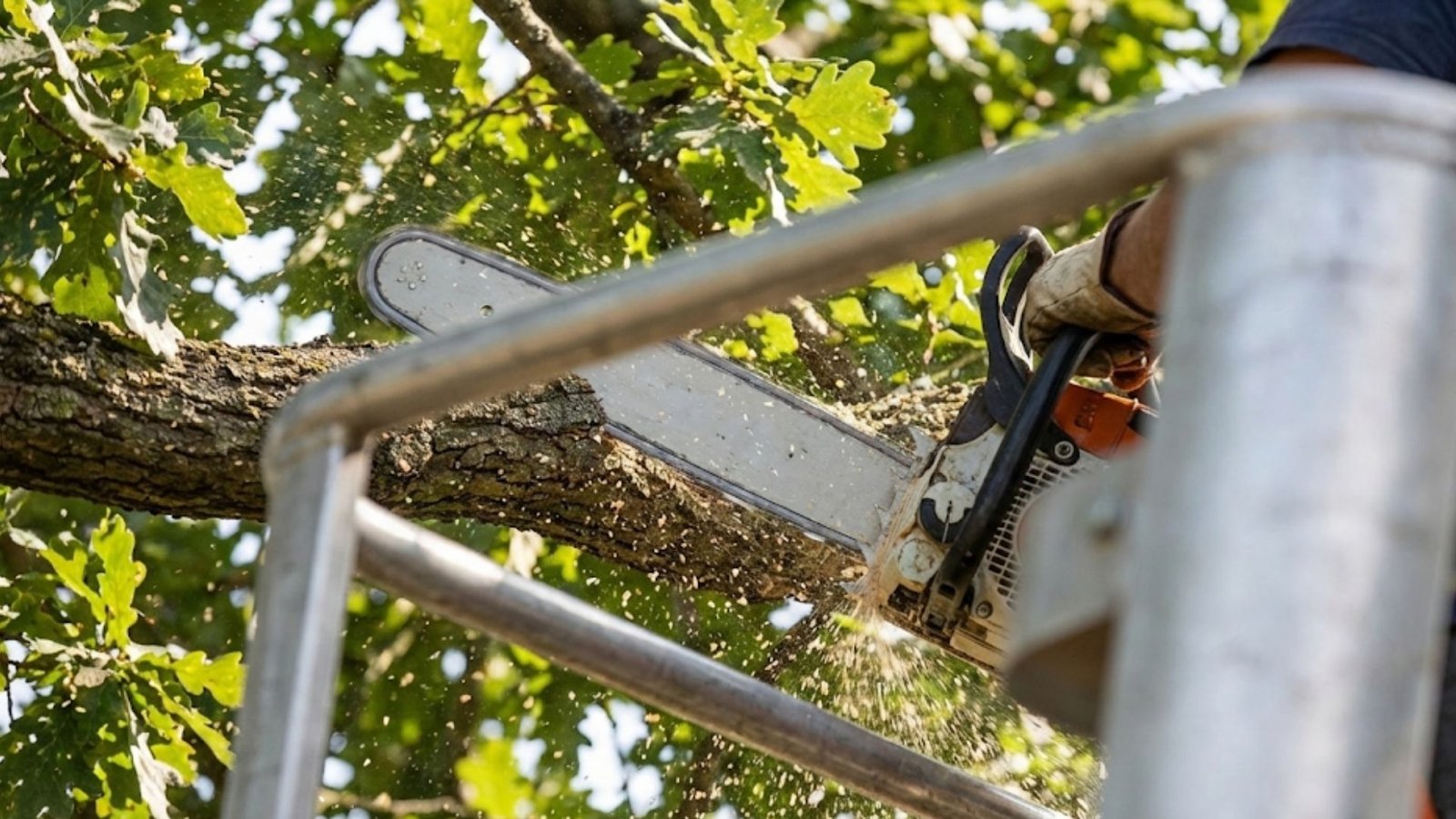
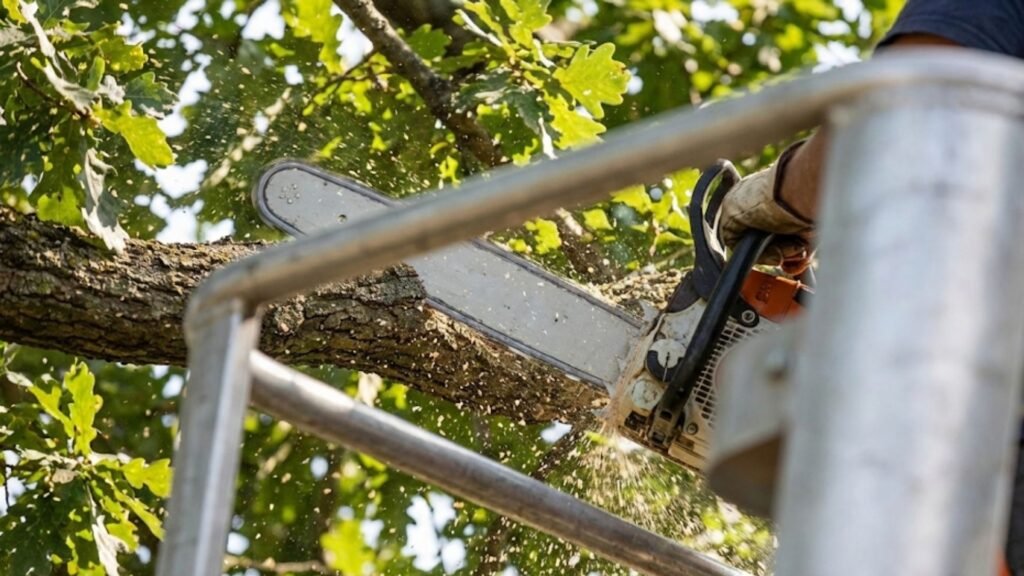
Chainsaw injuries send thousands of people to emergency rooms annually, with inexperienced users facing particularly high risks of serious cuts, especially when working overhead or on unstable footing. Tree work adds the additional hazards of falling from heights, being struck by falling limbs, and dealing with unpredictable tree behavior during cutting.
Large trees store enormous amounts of energy in their structure, and even experienced professionals can be surprised by how trees react when major cuts are made. Binding, splitting, and unexpected directional changes during falls can turn routine cuts into life-threatening situations within seconds.
Property damage from DIY tree work often exceeds the cost of professional services by substantial margins. Homes, vehicles, fences, and utility lines represent expensive targets that amateur tree work frequently damages, leading to insurance claims and repair costs that professional services could have prevented.
Insurance, Licensing, and Professional Standards
Connecticut’s tree expert licensing requirements establish professional standards for arborists who provide tree diagnosis, treatment, and specialized removal services. While general tree removal contractors may not require specific licenses, homeowners should verify that any company they hire carries appropriate insurance coverage.
Liability insurance protects property owners when tree work damages their property or neighboring areas, while workers’ compensation coverage ensures that injured crew members can’t sue property owners for medical expenses or lost wages. Companies without proper insurance may offer lower prices but create significant financial risks for homeowners.
Professional equipment represents another key difference between qualified tree services and less reliable contractors. Legitimate tree companies invest in specialized trucks, rigging equipment, and safety gear that enable them to work safely and efficiently in challenging conditions.
Trees, Utilities, and Town Rules in Oxford CT
Property owners in Oxford need to understand local regulations and utility policies that may affect tree removal projects, particularly when trees are near public areas or infrastructure.
Private Trees vs Public or Roadside Trees
Connecticut law gives each town a tree warden with authority over trees in public rights-of-way, including those along roads and in municipal properties. Tree wardens must approve any pruning or removal of public trees, and unauthorized cutting can result in significant fines and replacement requirements.
Property boundaries don’t always align with tree ownership responsibilities, especially along roads where town rights-of-way may extend well beyond the paved surface. Homeowners should verify tree ownership before scheduling removal work to avoid legal complications and ensure proper authorization for the work.
Shared property line situations require coordination between neighbors, particularly when large trees could affect multiple properties during removal. Professional tree companies often help facilitate these discussions and ensure that removal work complies with all applicable property rights and local regulations.
Trees Near Power Lines
Utility vegetation management programs give utility companies authority to prune or remove trees within defined clearance zones around power lines, but property owners should never attempt this work themselves due to electrocution risks and potential service disruption.
Trees touching or threatening power lines require immediate attention from qualified professionals who understand electrical safety protocols and have proper equipment for working around energized lines. Many tree emergencies involve power line contact, making utility coordination essential for safe resolution.
Utility companies often provide tree removal services for hazardous situations involving their infrastructure, but property owners may need to coordinate with both the utility and private tree services for complete cleanup and restoration work following utility line clearance.
How to Choose a Tree Removal Company in Oxford CT
Selecting the right tree service provider requires evaluating several key factors that separate professional operations from less reliable contractors who may offer lower prices but create significant risks.
Credentials and Experience
Verifying insurance coverage represents the most important step in evaluating tree service contractors, as proper liability and workers’ compensation insurance protects property owners from financial responsibility for accidents or damage during tree work.
Professional arborist certifications from organizations like the International Society of Arboriculture indicate advanced training in tree biology, safety practices, and proper removal techniques. While not all tree removal work requires certified arborists, complex or valuable trees benefit from evaluation by professionals with formal training.
Years in business and local reputation provide insights into company reliability and service quality. Established Oxford-area tree services often have track records that homeowners can verify through references, online reviews, and Better Business Bureau ratings.
Reviews, Referrals, and Local Reputation
Online reviews can reveal patterns in company performance, particularly regarding punctuality, cleanup quality, pricing transparency, and customer communication. Multiple negative reviews about similar issues may indicate systemic problems worth considering when making hiring decisions.
Neighborhood referrals often provide the most reliable information about local tree services, as neighbors face similar tree species, soil conditions, and access challenges. Recent customers can provide specific insights about crew professionalism, equipment capabilities, and overall satisfaction with completed work.
Before-and-after photos help evaluate company capabilities for complex removals or challenging access situations similar to those on your property. Companies that document their work often take pride in their results and can demonstrate expertise with projects similar to yours.
Estimates, Pricing, and Scope of Work
Written estimates should specify exactly which trees are being removed, the methods that will be used, what cleanup is included, and whether stump grinding or debris disposal costs are included in the quoted price. Vague estimates often lead to misunderstandings and additional charges later.
Pricing factors include tree height and diameter, proximity to structures or obstacles, access challenges for equipment, and disposal requirements for logs and brush. Complex removals requiring cranes or extensive rigging typically cost significantly more than simple trees in open areas.
Payment terms and scheduling expectations should be clearly established before work begins. Reputable companies rarely require full payment in advance and typically offer reasonable payment schedules that align with project milestones for larger jobs.
What to Expect During the Tree Removal Process
Understanding the typical tree removal workflow helps homeowners prepare appropriately and ensures smooth project completion with minimal disruption to daily routines.
Initial Assessment and Proposal
Professional tree evaluations begin with visual inspection of tree health, structural integrity, and potential hazards to surrounding targets. Qualified arborists can often identify internal problems, root issues, or disease symptoms that affect removal complexity and safety requirements.
Site assessment includes evaluating equipment access, overhead obstacles like power lines, and ground conditions that might affect heavy equipment operation. Companies also consider debris disposal logistics and cleanup requirements when developing project proposals.
Many situations benefit from exploring alternatives to complete removal, such as selective pruning, cabling and bracing, or partial removal that preserves valuable portions of trees while eliminating specific hazards or clearance problems.
Scheduling and Preparing the Property
Property preparation typically involves clearing driveways and access routes for equipment, moving vehicles and outdoor furniture away from work areas, and securing pets and children during removal operations. Companies usually provide specific preparation checklists before scheduled work dates.
Underground utility marking becomes essential when stump grinding or extensive root work is included in projects, as damaged utility lines can create dangerous situations and expensive repair requirements. Most states offer free utility marking services that companies can coordinate before beginning work.
Weather considerations may affect scheduling, particularly for complex removals that require extended setup time or crane operations. Companies typically maintain some flexibility in scheduling to accommodate weather delays while ensuring safe working conditions.
The Day of Removal and Cleanup
Setup procedures often require the most time on removal day, as crews position equipment, establish safety zones, and prepare rigging systems for controlled tree dismantling. Professional crews prioritize safety protocols and may modify plans based on actual site conditions encountered during setup.
Tree removal operations follow systematic patterns designed to maintain control over falling debris while protecting surrounding property and ensuring crew safety. Large trees are typically removed section by section, starting from the top and working downward to minimize risks.
Cleanup standards vary between companies, but professional services typically include removal of all large debris, basic yard restoration, and site cleanup that leaves properties in reasonable condition for normal use. Specific cleanup requirements should be established during the estimation process.
Preventive Tree Care for Oxford CT Homes
Proactive tree management can prevent many emergency situations while preserving valuable trees that contribute to property aesthetics and value.
Regular Inspections and Pruning
Annual tree inspections help identify developing problems before they become safety hazards or require expensive emergency interventions. Professional arborists can spot early signs of disease, structural weakness, or pest infestations that homeowners might miss until problems become severe.
Scheduled pruning removes dead branches, improves tree structure, and reduces wind resistance that can contribute to storm damage. Regular maintenance pruning typically costs much less than emergency services and helps extend tree life significantly.
Crown cleaning, thinning, and structural pruning can address specific safety concerns while preserving trees that provide valuable benefits to properties. These services require professional expertise but can eliminate removal needs for trees with localized problems.
Smart Planting and Replacement Trees
Selecting appropriate tree species for specific locations prevents future conflicts with structures, utilities, and maintenance access. Native species typically require less maintenance and are better adapted to local soil and climate conditions.
Proper planting locations consider mature tree size, root spread, and potential conflicts with underground utilities, building foundations, and overhead obstacles. Professional landscape design helps ensure that new trees enhance property value without creating future removal needs.
Replacement planning after tree removal should consider long-term property goals, maintenance requirements, and seasonal characteristics that affect property enjoyment throughout the year. Connecticut native species offer many excellent options for various landscape situations.
Common Mistakes Homeowners Make with Tree Removal
Understanding typical errors in tree removal planning helps Oxford homeowners avoid problems and ensure successful project completion.
Delaying action on obviously hazardous trees creates unnecessary risks and often increases removal costs as trees continue to deteriorate. Trees that are clearly dead or structurally compromised rarely improve with time and may become more dangerous or expensive to remove safely.
Choosing contractors based solely on price often leads to problems with insurance coverage, work quality, or additional charges that weren’t included in initial estimates. The lowest bid may not include essential services like cleanup, stump grinding, or proper disposal of debris.
Unclear expectations about project scope frequently cause disputes over what work is included in quoted prices. Homeowners should establish specific agreements about cleanup standards, disposal methods, and completion timelines before work begins.
Attempting DIY tree work on significant trees creates safety risks and potential property damage that far exceed the cost of professional services. Even seemingly simple removals can become dangerous when trees behave unpredictably during cutting operations.
Building Tree Care into Long-Term Property Planning
Integrating tree management into regular home maintenance planning helps prevent emergencies while preserving property value and aesthetic benefits that mature trees provide.
Regular tree inspections can be scheduled alongside other annual home maintenance tasks like HVAC servicing, roof inspections, and exterior cleaning. This systematic approach helps ensure that tree issues are identified and addressed before they become urgent problems.
Budgeting for periodic tree maintenance, including pruning, fertilization, and selective removal, helps spread costs over time rather than facing large emergency expenses during storm seasons or when multiple trees reach the end of their useful life simultaneously.
Planning tree removals before major home improvement projects like roofing, additions, or landscaping renovations allows better coordination between contractors and can reduce overall project costs by eliminating access problems and potential damage to newly completed work.
Frequently Asked Questions About Tree Removal Services In Oxford CT
Q: Do I always need permission to remove a tree on my property?
A: Most trees on private property can be removed without permits, but Connecticut regulations require approvals for trees in public rights-of-way or those that might affect neighboring properties. Trees near roadways, utility lines, or conservation areas may require coordination with town officials or utility companies before removal.
Q: How much does tree removal usually cost in Oxford CT?
A: Removal costs vary significantly based on tree size, location, access challenges, and required equipment. Small trees in open areas might cost a few hundred dollars, while large trees requiring crane access or complex rigging can cost several thousand dollars. Written estimates help establish specific pricing for individual situations.
Q: How long does a typical residential tree removal take?
A: Simple removals in open areas often take just a few hours, while complex removals near structures or requiring specialized equipment may take one or more full days. Setup and cleanup time can represent significant portions of total project time for challenging removals.
Q: Can the company leave wood for firewood or chip it for mulch?
A: Many Oxford tree services offer options for handling removed trees, including cutting logs to specified lengths for firewood or chipping brush and small branches for mulch. These services should be discussed during the estimation process to ensure proper equipment and planning.
Q: What’s the difference between trimming and removal?
A: Tree trimming or pruning involves selectively removing branches to improve tree health, safety, or appearance while preserving the tree. Removal involves cutting down the entire tree, typically when it’s dead, diseased, hazardous, or unwanted for property improvement reasons.
Professional tree removal services in Oxford CT provide essential safety and property protection benefits that far outweigh the costs of hiring qualified contractors. The town’s beautiful wooded character creates unique challenges that require professional expertise, proper equipment, and comprehensive insurance coverage to handle safely and effectively.
Oxford’s mature tree population will continue requiring professional management as trees age, weather patterns intensify, and property development needs change. Homeowners who take proactive approaches to tree care through regular inspections, preventive pruning, and timely removals of hazardous trees will protect their property investments while preserving the natural beauty that makes Oxford such a desirable community.
Whether you’re dealing with storm damage, planning property improvements, or simply concerned about aging trees near your home, professional tree services offer the expertise and equipment necessary to complete projects safely and efficiently. Contact Hennessey Tree & Landscape today to schedule a comprehensive tree assessment and discuss how professional tree care can enhance your property’s safety, value, and long-term landscape health.