How to Find Reliable Tree Removal Services Near You
When you type “tree removal near me” into your search bar, you’re probably not looking forward to the work itself. What keeps most Connecticut and New York homeowners awake isn’t the cost estimate or even finding someone available next week. It’s the nagging question: what’s actually going to happen once a crew with chainsaws and chippers shows up in my driveway?
Between wetlands regulations that kick in when you’re near water, steep slopes that make equipment access tricky, utility lines running overhead, and neighbors who might have opinions about your tree decisions, a lot can go wrong if the company doesn’t know what they’re doing.
Professional tree removal in the Northeast follows a clear sequence from permits and hazard assessments through controlled cutting, complete cleanup, and a final walkthrough so you can see exactly what you’re paying for. When you understand what should happen at each stage, you can spot the difference between a qualified crew and someone who’s going to leave you with a mess, a fine, or worse.
Key Takeaways
- Reliable Tree Removal Is Predictable, Not Chaotic: Licensed, insured crews follow a clear plan from site assessment to cleanup, explaining each step before work begins.
- Licensing and Insurance Are Non‑Negotiable: CT commercial tree removal licenses and local NY licensing rules help homeowners quickly filter out risky operators.
- Local Laws Shape What Can Happen in Your Yard: Municipal tree ordinances, wetlands rules, and tree warden oversight in CT/NY affect which trees can go, when, and how.
- Safety Standards Govern Cutting and Equipment Use: OSHA tree care guidance expects hazard assessments, PPE, and controlled felling methods, not improvisation.
- Permits and Paperwork Prevent Mid‑Job Surprises: Many NY and CT communities require tree work permits, or posted notices before removal starts.
- Cleanup and Walkthrough Should Be Included: Complete debris removal, stump handling, and a final walkthrough are part of a professional scope, not optional extras.
Understanding Reliable Tree Removal in CT and NY
Reliable tree removal means you know who is on your property, what they will do, and how they will protect people, structures, and neighboring trees. When you search for tree removal services, you’re trusting someone with equipment that can damage your home, your neighbor’s fence, or underground utilities if mishandled. The difference between a professional job and a disaster often comes down to whether the company follows established procedures or just shows up and starts cutting.
What “Reliable” Should Mean to Homeowners
A reliable tree service gives you clear explanations of the work plan before any cutting starts. They should walk you through how the tree will be dismantled, what equipment they’ll use, and how they plan to protect nearby structures, utilities, and property lines. This licensing requirement gives homeowners a concrete way to separate legitimate professionals from people with a truck and a chainsaw.
In New York, communities often require certified tree removal evaluations as part of the permit process for tree removals, showing that formal credentials matter when municipalities evaluate whether a tree should come down. The tree remover evaluates the tree’s health, safety risks, and whether removal is appropriate given local regulations. When you ask a contractor about their qualifications, you should get specific answers like license numbers and insurance certificates, not vague assurances that they’ve “been doing this for years.”
Local Tree Environment and Legal Context
Connecticut organizes tree law around several key areas: public tree management, damages from unauthorized cutting, roadside tree regulations, and utility vegetation management. All of these statutes shape how removals are supervised and permitted, which means a good contractor needs to know more than just how to operate a chainsaw safely. They need to understand when town officials must be involved, which trees are protected, and what paperwork comes before cutting.
New York communities use local ordinances to regulate the removal of larger trees, trees on steep slopes, or those near wetlands. Some municipalities require permits for private property removals above certain trunk diameters or in environmentally sensitive areas, which adds a planning layer that contractors must account for before scheduling work. If the company doesn’t ask about permits or wetlands during the initial site visit, that’s a warning sign that they may not understand the local regulatory environment.
National vs. CT/NY Tree Removal Process and Timelines
Tree removal everywhere includes assessment, cutting, and cleanup, but Connecticut and New York add regulatory and environmental layers that can extend planning and require more coordination than homeowners in other regions might expect. Understanding these differences helps you set realistic timelines and avoid contractors who promise quick turnarounds without accounting for local requirements.
Baseline Process vs. Northeast Realities
Nationally, straightforward residential removals on flat, accessible lots away from structures may be scheduled and completed in a single working day. The crew arrives, sets up equipment, dismantles or fells the tree, chips the debris, and hauls everything away before dinner. In the Northeast, that same tree might require extra time for permit applications, coordination with Connecticut’s tree warden system, or utility notifications if branches hang near power lines.
Connecticut’s tree warden oversight means more coordination with local officials before work begins, especially for trees along roads or on public property. New York’s municipal permit structures can require tree removal letters, public notice periods, and approval from planning or conservation boards. Dense tree canopies common in Northeast residential areas also mean that dismantling often happens piece by piece rather than felling entire trees, which takes more time but reduces risk to surrounding property.
Typical Timeline Ranges for Residential Jobs
Simple removals involving a single, accessible tree away from structures can often be estimated, cut, and cleaned up within one working day once the contractor is scheduled and the weather cooperates. These jobs assume no permit delays, no wetlands or slope complications, and straightforward access for equipment like bucket trucks or chippers. The timeline starts when the crew actually arrives on site, which may be days or weeks after the initial quote, depending on the company’s schedule and any required permit lead times.
Complex removals near power lines, on steep slopes, within wetlands buffers regulated by Connecticut municipalities, or subject to permit posting requirements, can stretch across multiple days. The contractor may need time to coordinate with utility companies, stage equipment in phases if access is limited, or wait for permit approval and any required public notice periods. Some New York villages require visible permit signs to be posted before removal begins, adding a mandatory waiting period so neighbors aren’t surprised when chainsaws start.
Key Steps in a Professional Tree Removal Process
Breaking the job into phases helps you see that a good company is following a documented method, not improvising as they go. Each phase has specific safety checks and decision points that protect your property and the crew, and understanding these steps gives you a checklist to evaluate contractors during the hiring process.
Site Assessment, Hazard Checks, and Planning
OSHA tree care guidance calls for a pre‑job hazard assessment that identifies tree lean, decay, overhead power lines, nearby structures, vehicles, and escape paths before anyone starts cutting. A reliable contractor walks the property with you during the estimate phase, pointing out these hazards and explaining how they’ll manage each one. They should ask about underground utilities, mark drop zones where branches will land, and identify where equipment will be staged.
In Connecticut, work on the public side of roads or involving public trees often requires tree warden involvement and permits before cutting can begin. New York local rules may require a tree removal letter and visible permit sign posting before any removal starts, which the contractor should handle as part of the planning phase. If a company quotes you a price and start date without mentioning permits or site hazards, they’re skipping steps that professionals consider standard practice.
Cutting, Rigging, and Controlled Removal
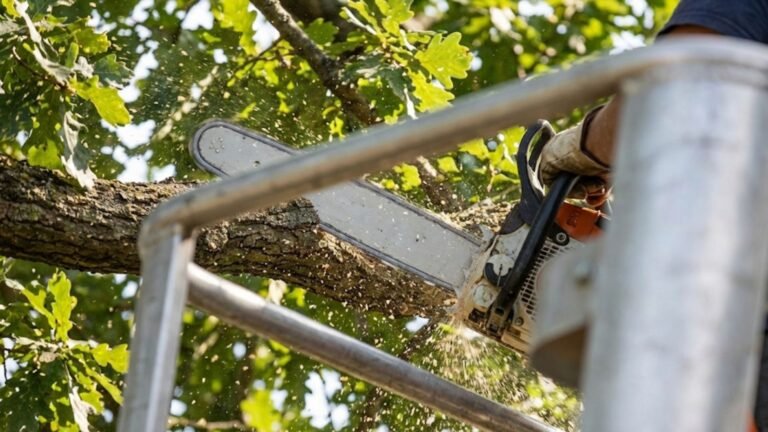
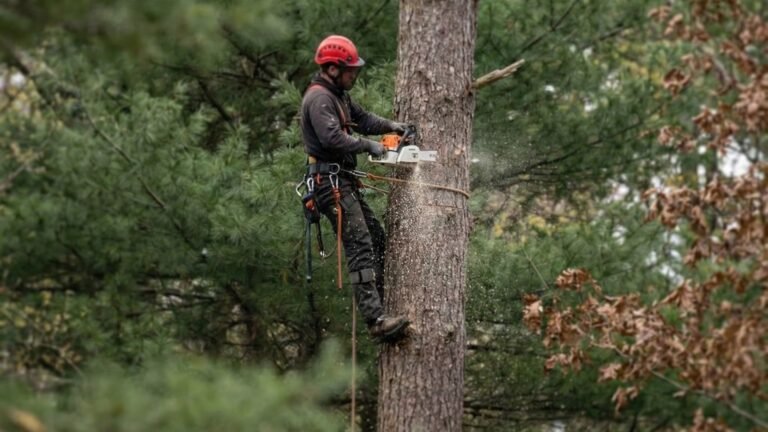
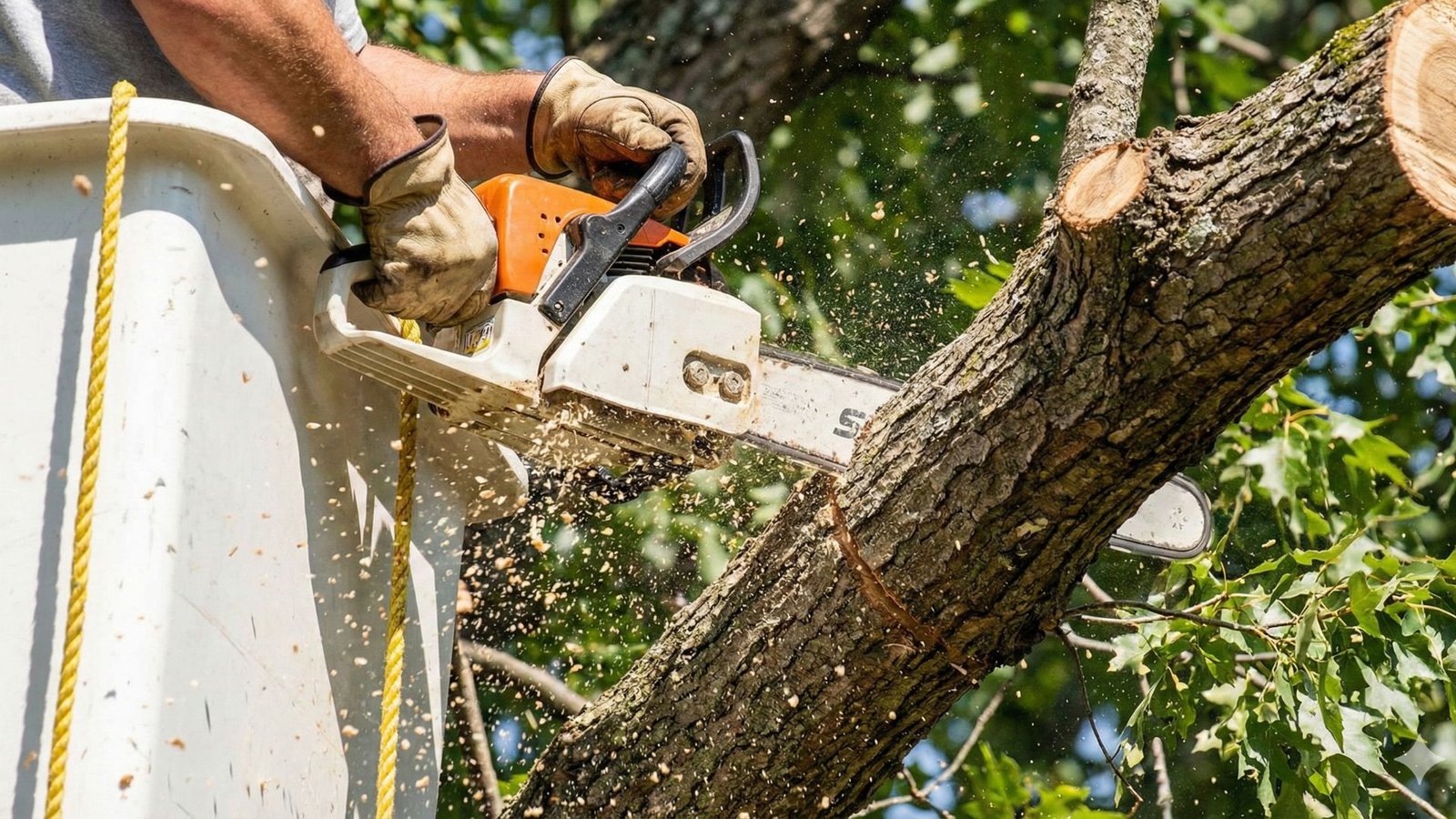
OSHA and industry materials describe techniques like directional felling and the three‑cut method for removing limbs without bark tearing or uncontrolled drops. Directional felling uses precise cuts to guide where a tree falls, while the three‑cut method prevents heavy branches from splitting and tearing bark as they’re removed. These aren’t optional refinements; they’re basic techniques that prevent property damage and keep crews safe during cutting.
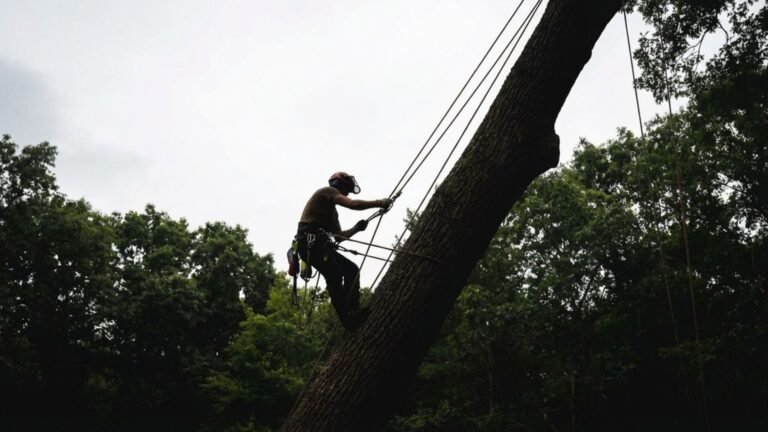
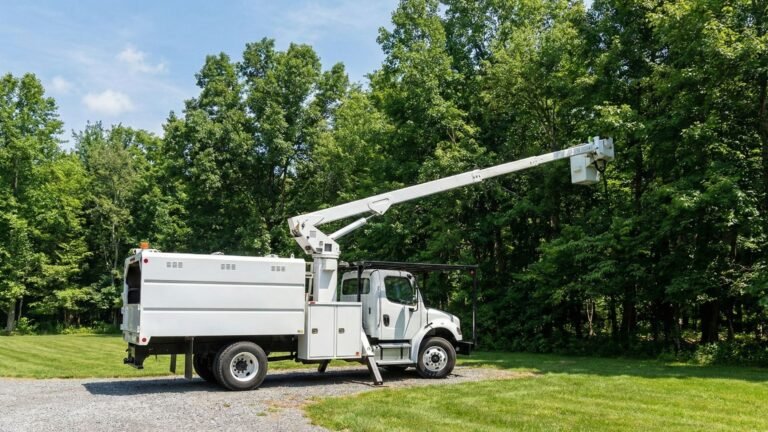
For tight Northeast residential lots, reliable crews often dismantle trees in sections using ropes, pulleys, or aerial bucket trucks, especially when houses, driveways, or shared property lines sit close to the tree. Sectional removal means cutting the tree into manageable pieces from the top down, lowering each piece with rigging rather than letting it crash to the ground. This approach takes longer than simply felling a tree in one piece, but it’s often the only safe option when you don’t have a clear drop zone the size of the tree’s full height.
Debris Handling, Stumps, and Site Restoration
Connecticut municipal contracts show that professional scopes typically include cutting, chipping, hauling, and stump handling, not just dropping the tree and leaving debris scattered across your yard. After cutting, branches and trunk sections go through a chipper or get hauled away as whole logs, depending on the size of the material and what the contract specifies. Chips can sometimes be left on site as mulch if you want them, or the crew hauls everything to a disposal site.
On slopes and near water, vegetation management guidelines emphasize managing stumps, grading, and erosion control so the site remains stable after removal. Stumps can be cut close to ground level, ground down below the surface, or removed entirely with the root system, depending on your plans for the area. If you want to replant grass or install landscaping, you’ll typically want grinding or full removal so the stump doesn’t interfere. A professional contractor should discuss these options during the estimate rather than assuming you’re fine with a stump sticking up six inches above grade.
Additional Steps for Complex CT/NY Removals
More challenging sites add steps that homeowners should expect the contractor to explain upfront rather than discovering mid‑job. These complications don’t necessarily mean you can’t remove the tree, but they do mean the process needs more planning, coordination, and possibly special approvals before work begins.
Wetlands, Steep Slopes, and Utility Conflicts
Connecticut law requires municipalities to regulate activities affecting inland wetlands and watercourses, and tree cutting near these areas often triggers permit requirements rather than being automatically allowed. Town FAQs note that removing trees within 100 to 150 feet of a wetland or watercourse may require permits once more than a few trees are involved, which means even private property work can require municipal approval if you’re near water. A reliable company should ask about wetlands during the site visit and handle permit applications if needed.
New York and Connecticut utilities operate under rules that require notice, safe clearances, and sometimes tree warden or parks department permits when work happens near power lines or involves public trees. Connecticut’s utility vegetation management laws require coordination when work affects lines or roadside trees, which means contractors must communicate with utility companies before cutting near wires. If branches touch or hang near power lines, the utility company may need to disconnect service temporarily or assist with the removal, which the contractor should arrange rather than just cutting and hoping for the best.
Shared Boundaries, Public Trees, and Neighbor Impacts
Connecticut tree law addresses damages for unauthorized cutting on neighboring or public land, underscoring the need to confirm ownership and property limits before removal starts. If a tree sits on the boundary line between properties, both owners typically have rights to it under common law, and cutting without the neighbor’s agreement can create legal liability. A professional contractor should ask to see property surveys or at least discuss boundary locations during planning, so there’s no confusion about which trees are actually yours to remove.
New York permit FAQs highlight that approved removals may require posting a visible sign before work so neighbors aren’t surprised by sudden tree loss or the noise and activity of removal equipment. The sign shows that the work is permitted and gives neighbors a chance to raise concerns before cutting begins if they believe the tree should be preserved. This notice period can add several days to the timeline, but helps avoid conflicts and ensures the removal process is transparent.
Permits, Utilities, and Regulations in CT and NY
This section answers what can stop the crew mid‑job and shows how reliable companies handle regulatory requirements before anyone arrives with a chainsaw. Understanding permit and utility coordination requirements helps you avoid situations where work grinds to a halt because paperwork wasn’t filed or an inspector shows up and shuts down the job.
Tree Permits, Tree Wardens, and Local Ordinances
In Connecticut, every municipality must have a tree warden who oversees certain removals along roads and public grounds and issues permits under state statutes. The tree warden’s role varies by town but generally includes approving work on public trees, trees within road rights‑of‑way, and sometimes trees on private property if they meet certain size or location criteria. Before scheduling work near a road or on a prominent tree, check whether the tree warden needs to sign off, which the contractor should know to do if they’re familiar with local practice.
New York municipalities, including cities and villages, may require permits for private property removals above set trunk diameters, in wetlands buffers, or on steep slopes. Permits often require letters explaining why removal is necessary, which can include assessments of disease, structural defects, or conflicts with development plans. Some communities charge permit fees and require posted notices, while others handle approvals administratively through the building or planning department. The contractor should identify permit requirements during the site visit and factor application time into the project schedule.
Utility Coordination and Safety Rules
Connecticut’s utility vegetation management laws require notice and coordination when work affects power lines or roadside trees, which means reliable contractors communicate with utilities before cutting near wires. Utility companies have specific clearance requirements and may need to disconnect service, reposition lines temporarily, or send their own crews to assist with sections of the tree that touch conductors. Cutting near energized lines without utility coordination is both illegal and extremely dangerous, with the potential for electrocution or widespread power outages.
OSHA tree care guidance stresses maintaining safe distances from energized lines and following proper ladder, aerial lift, and falling‑object protections, which homeowners should see reflected in the crew’s setup and behavior on job day. Workers should stay at least ten feet away from power lines unless the lines have been de‑energized or the workers are specifically trained and equipped for line‑clearance work. If you see a crew working close to wires without utility company involvement or special equipment, that’s a major safety violation and reason to stop the work immediately.
What Homeowners Should Prepare For and Do
Turning reader anxiety into a practical checklist helps you feel in control of the process rather than being passive while contractors make all the decisions. The steps below cover what you can and should do before hiring, before the crew arrives, and during the work to make sure the job goes smoothly and matches what you agreed to pay for.
Before You Hire: Questions and Documentation
Ask for license numbers, such as any local home improvement licenses required in your New York county. New York’s Attorney General notes that home improvement contractors must hold local licenses in NYC, Suffolk, Nassau, Westchester, Putnam, and Rockland counties, which you can verify through municipal clerk offices or online databases. Also request certificates of liability insurance and workers’ compensation coverage, which New York guidance explicitly recommends as part of hiring any home improvement contractor.
Request a written estimate and contract that describes the exact trees to be removed by location or marking, the methods the crew will use, such as climbing, crane assistance, or sectional dismantling, how debris and stumps will be handled, and expected start and finish dates. The New York Attorney General recommends getting detailed written estimates and contracts to avoid misunderstandings about what’s included in the price and what costs extra. Compare at least three estimates, not just on price but on how thoroughly each contractor explains the work plan and addresses site‑specific challenges like access, permits, or proximity to structures.
Before the Crew Arrives: Yard and Neighbor Prep
Clear access routes for equipment by moving vehicles, patio furniture, grills, or anything else that could obstruct paths to the tree or staging areas for the chipper and trucks. Protect items under the work area, such as garden beds, outdoor lighting, or decorative features by covering them with tarps or temporarily relocating them if possible. Coordinate parking so the crew has space to position their trucks without blocking your driveway or neighbors’ access, and make plans for pets so they’re safely indoors during the noisy, active work periods.
Where local codes require permit signs, ensure the sign is posted visibly several days before work starts so neighbors know removal has been approved and aren’t alarmed when chainsaws and chippers roll in. This also gives neighbors a chance to contact the municipality if they have concerns about the permit, which is better resolved before work begins than mid‑job when the crew is already on site. If you know the tree is visible from neighboring properties, consider giving adjacent homeowners a heads‑up about the scheduled work as a courtesy, even if not legally required.
During and After the Job: What to Expect and Check
Expect workers to use personal protective equipment including helmets, eye and hearing protection, and chainsaw‑resistant leg protection, maintain clearly defined drop zones where only crew members are allowed, and keep you and family members outside active work areas per OSHA safety principles. You should see deliberate, methodical cutting with workers coordinating each cut and using ropes or rigging to control how branches come down, not just letting pieces fall randomly and hoping they don’t hit anything. If you notice unsafe practices like working without helmets, cutting above someone’s head without warning, or ignoring overhead power lines, you have every right to pause the work and ask the crew to explain how they’re managing safety.
At completion, walk the site with the crew leader to confirm all agreed-upon trees have been removed, stumps are handled as specified in the contract, debris is cleared from your yard and any neighboring areas where it may have landed, and any required replanting or follow‑up inspections are scheduled. Check areas around the base of the tree for damage to lawn, sprinkler heads, or underground utilities, and make sure the crew hasn’t left ruts or soil compaction from heavy equipment that will affect drainage or replanting. If the contract included site restoration like grading or seeding disturbed areas, verify that work is complete before making the final payment.
Process Comparison: Simple vs. Complex Tree Removal in CT/NY
| Phase | Simple Removal (Single Accessible Tree) | Complex Removal (Slopes/Lines/Wetlands/Permits) |
|---|---|---|
| Assessment & Planning | 30 to 60 minute hazard check and estimate | Multiple site visits for removal letter, permits, utility coordination |
| Permits & Coordination | Often none if outside regulated areas | Tree permits, wetlands review, utility notifications |
| Cutting & Removal | Same‑day sectional removal and chipping | Multi‑day staged work with rigging, lifts, limited equipment access |
| Debris, Stumps, Restoration | Standard chipping, stump cut or grind, basic raking | Added erosion control, slope grading, possible replanting conditions |
| Total Timeline (Once Scheduled) | Often one day on site | Several days on site plus permit lead time |
Common Mistakes Homeowners Make When Hiring Tree Removal
One of the biggest mistakes is hiring unlicensed or uninsured operators, which Connecticut and New York guidance warns can increase your liability for damage or worker injury. If someone gets hurt on your property and the contractor doesn’t carry workers’ compensation, you may be on the hook for medical bills and lost wages. If the crew damages your house, your neighbor’s fence, or underground utilities, and they don’t have liability insurance, you’ll be paying for repairs out of pocket while trying to chase down a contractor who may disappear once the job goes wrong.
Skipping permit requirements or tree warden review where local ordinances require them can lead to fines, stop‑work orders, or forced replanting under municipal tree protection laws. Connecticut municipalities and New York villages have specific rules about which trees can be removed without approval, and cutting protected trees without permits can result in penalties that exceed what you would have paid for the tree work in the first place. Some communities require replanting at a specific ratio, such as two new trees for every mature tree removed without authorization, which adds unexpected costs after the fact.
Accepting vague verbal promises instead of written contracts that spell out methods, debris removal, stump treatment, and site restoration is another common error. New York’s Attorney General notes that state law requires written contracts for home improvement work, including detailed project specifications, timelines, and payment schedules. Without a written agreement, you have no recourse if the contractor claims stump grinding wasn’t included, leaves debris scattered around your yard, or damages property and then disputes responsibility for repairs.
Preparing Your Property for Safe, Smooth Tree Removal
Contact your local municipal office or review the town or village website to confirm whether a tree permit, wetlands approval, or tree warden sign‑off is needed before scheduling work. Many communities publish permit requirements and application forms online, or you can call the building department, planning office, or tree warden directly to ask whether your specific tree and location require approval. Getting this information early prevents scheduling a crew only to have them show up and discover they can’t legally start work.
Identify power lines, structures, and environmentally sensitive areas such as slopes, drainage paths, wetlands, or gardens so you can discuss them during the contractor’s initial site visit. Mark trees for removal with tape or spray paint if you have multiple trees and want to be absolutely clear which ones should come down, especially if some are close together or you’re removing only part of a wooded area. Take photos of your yard before work begins so you have documentation of the starting condition if disputes arise later about damage to lawns, driveways, or landscape features.
Frequently Asked Questions About Tree Removal Near Me
Q: Do I need a permit to remove a tree on my property?
A: Many Connecticut and New York municipalities require permits for larger trees, trees near roads, or trees in wetlands and steep‑slope buffers. Connecticut requires removal permits in some communities when trees exceed certain trunk diameters or sit within regulated environmental zones. New York villages often require permits and evaluations before private tree removals can proceed. You should check with your local tree warden, building department, or village clerk before scheduling any removal to avoid fines or stop‑work orders.
Q: How do I know if a tree service is qualified?
A: In Connecticut, commercial tree removal experts must be licensed through the Department of Energy & Environmental Protection, which confirms they’ve passed testing on proper tree care, safety, and risk management. New York local rules often require licensed home improvement contractors and certified tree evaluations as part of permit applications. Always ask for proof of licensing, liability insurance, and workers’ compensation coverage before hiring, and verify credentials through state or municipal databases rather than just trusting what the contractor tells you.
Q: What safety practices should I see on job day?
A: OSHA resources emphasize pre‑job hazard assessments, clearly marked drop zones where only crew members are allowed during cutting, personal protective equipment such as helmets and eye protection for all workers, and controlled cutting techniques using ropes and rigging rather than free‑falling branches. You should see workers communicating before each cut, maintaining safe distances from power lines, and keeping bystanders well away from active work areas. If workers are climbing without proper fall protection, cutting without eye protection, or letting branches drop without controlling where they land, those are serious safety violations.
Q: Who is responsible if a removed tree damages a neighbor’s property?
A: Connecticut tree law resources and state guidance on property damages show that improper or unauthorized cutting can expose both the property owner and contractor to liability for damage to neighboring property. If a tree removal is done negligently, such as felling a tree that strikes a neighbor’s house or car, both you and the tree service can be held responsible depending on the circumstances. This reinforces why hiring qualified, insured professionals with proper safety practices is so important, as their liability insurance should cover damage caused by their work.
Q: What should be included in my tree removal contract?
A: State consumer guidance for home improvement recommends written contracts that include contractor identification with license and insurance information, detailed descriptions of which trees will be removed and what methods will be used, total price broken down by components like cutting, debris removal, and stump work, payment schedule tied to work milestones, and specific start and finish dates. The contract should also specify who obtains permits, how site cleanup and restoration will be handled, and require written change orders for any additions or modifications to the original scope so there are no surprise charges when the work is done.
Working With Hennessey Tree & Landscape CT for Your Tree Removal
When you’re ready to move forward with tree removal, having a contractor who understands Connecticut’s regulatory environment, safety requirements, and property protection standards makes all the difference between a smooth project and a stressful ordeal. Hennessey Tree & Landscape brings licensed expertise, proper insurance coverage, and systematic work processes to every job, whether you’re removing a single backyard tree or managing a complex removal near wetlands, power lines, or steep terrain.
Our crews follow documented safety protocols, including pre‑job hazard assessments, controlled cutting and rigging techniques, and complete cleanup with stump handling options tailored to your plans for the site. We handle permit applications, coordinate with utilities and tree wardens when required, and provide written contracts that spell out exactly what will happen from start to finish so you’re never left guessing what comes next. If you’re searching for tree removal near you in Connecticut and want a partner who treats your property with care while following the rules that protect both you and our team, contact Hennessey Tree & Landscape for a detailed assessment and transparent quote on your tree removal project.