Should I Remove a Tree That’s Too Close to My Home Near me in Oxford CT?
You glance out your window and notice the oak tree that’s been growing beside your house for years. Its branches scrape against the gutters when the wind picks up, and you’re pretty sure those roots are getting close to your foundation. Storm season is coming, and you’re starting to wonder if that tree poses a real threat or if you’re just worrying over nothing. The question keeps nagging at you: is this tree actually dangerous, and if you do need to remove it, how much chaos will that bring to your yard? According to HUD housing standards, trees should ideally be planted no closer to structures than their anticipated mature height, which means many homeowners in Connecticut and New York face legitimate concerns about trees that were planted too close decades ago. The good news is that certified arborists follow a predictable, step-by-step process that addresses both the safety risks and your yard recovery concerns. Understanding what actually qualifies as “too close” and what happens during professional removal can help you make a confident decision about that tree outside your window.
Key Takeaways
- Removal Projects Typically Take 1-3 Days: A single medium-sized tree on flat ground usually wraps up in one day, while slopes, wetlands buffers, or trees over 60 feet may extend the timeline to 2-3 days.
- Hazard Assessment Comes First: Professionals evaluate whether roots extend into your foundation zone, check for visible decay or dangerous lean, and measure the tree’s height against its distance from your house before making removal recommendations.
- Early Preparation Prevents Surprises: Calling 811 for utility locates, checking wetlands regulations, and confirming zoning requirements help you avoid permit delays or unexpected stop-work orders mid-project.
- Sectional Dismantling Protects Your Home: Arborists remove branches and trunk sections piece by piece using ropes and rigging systems, which prevents heavy limbs from hitting your roof or siding during the process.
- Connecticut and New York Permit Rules Vary: Wetlands reviews can take 30-180 days in Connecticut, while many towns don’t require permits for private hazard trees under 12-24 inches diameter unless they’re near protected areas or public rights-of-way.
- Cleanup and Restoration Are Standard Services: Debris removal, reseeding bare spots, and applying mulch to disturbed areas are typically included in professional removal quotes to help your yard recover quickly.
Understanding the Tree Removal Process in Connecticut and New York
Professional tree removal in the Northeast follows a reliable sequence that accounts for the region’s unique challenges. Connecticut and New York properties often feature sloped terrain, frost-reactive soils with depths reaching 36-60 inches, and environmental regulations designed to protect wetlands and water quality. Local codes prioritize identifying genuine hazard trees over allowing hasty removals, which is why the process includes multiple assessment steps before any cutting begins.
State regulations also address situations where trees straddle property lines or sit near sensitive environmental areas. Connecticut’s spite laws limit removals done primarily to harm neighbors, and wetland buffer zones of 75-150 feet often require silt fencing and erosion controls during tree work. These requirements might seem burdensome at first, but they actually benefit homeowners by ensuring the removal process protects both property value and surrounding ecosystems.
Local Tree Environment and Process Needs
The Northeast landscape presents specific challenges that shape how tree removals unfold. Many residential lots in Connecticut and New York feature steep grades, proximity to wetlands or streams, and mature trees planted decades ago when spacing guidelines were less stringent. Brookfield, CT requires homeowners to verify property lines before cutting trees, particularly when trees sit near boundaries or public road rights-of-way.
Professionals working in this region typically start by clearing low brush and marking access routes before bringing in heavy equipment. If your property slopes significantly or includes wetland areas nearby, crews may need to lay down protective mats to prevent rutting and soil compaction. Corner lots or properties with overhead utilities require additional planning to ensure safe rigging and debris removal. This preparatory work adds time but prevents the kind of extensive yard damage that would take months to repair.
National vs. Connecticut and New York Removal Timelines
Tree removal timelines vary across the country, but Northeast projects often take longer due to regional permitting requirements, frost considerations, and stricter environmental regulations. Understanding these differences helps set realistic expectations when you’re planning to remove a tree near your home.
Typical Timeline Ranges by Tree Size
For a standard 40-60 foot tree with good access on flat ground, national averages suggest 1-2 days of active work. In Connecticut and New York, similar projects typically average 2-3 days once you factor in wetlands coordination and erosion control measures. A tree under 40 feet on a straightforward site might still complete in a single day, while trees over 60 feet or those on steep slopes can extend to 3+ days.
The timeline also depends on trunk diameter and species. A 12-inch diameter maple comes down faster than a 36-inch oak because of the additional sectioning required for larger trees. New York City zoning resolution notes that trees 6+ inches in caliper receive special consideration, which reflects how size influences both removal complexity and regulatory oversight.
Day-by-Day Breakdown Models
Most residential tree removals follow a predictable pattern. Day one typically involves 4-8 hours of assessment, utility coordination, site protection setup, and initial rigging installation. The crew establishes equipment zones, marks trees to preserve, and may begin removing lower branches if time allows. This phase feels slow because workers are prioritizing safety and property protection over visible progress.
Day two focuses on the actual dismantling work. Crews use sectional cutting with ropes and rigging to control where each piece falls, working from the crown downward. Stump grinding and initial cleanup often happen on this day as well. For complex projects involving slopes or wetlands buffers, a third day may be needed for final restoration tasks like installing erosion blankets, spreading wood chips, and reseeding disturbed areas.
Key Steps in the Tree Removal Process
Every professional tree removal follows core phases designed to protect both people and property. Understanding these steps helps demystify the process and shows why certified arborists emphasize thorough preparation over rushing to cut.
Site Preparation and Assessment
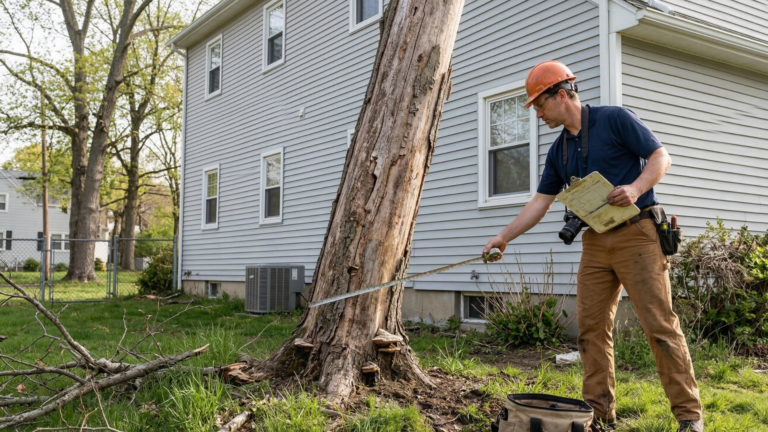
The first critical step involves calling 811 to locate underground utilities, which prevents dangerous strikes on gas, electric, or water lines during digging or stump grinding. Simultaneously, arborists conduct hazard evaluations examining visible decay, structural defects, and whether the tree leans dangerously toward your house. They measure the dripline (the outer reach of branches) against your foundation location, since roots typically extend at least to the dripline and concentrate in the top two feet of soil.
If your property includes wetlands or slopes, professionals will inquire about local regulations before proceeding. Connecticut’s Forest Practice Act requires coordination with wetlands agencies when trees sit within defined buffer zones. Crews also stake protection zones around trees you want to keep, often using a 1:1 ratio of root radius to trunk diameter. This preparation phase may feel administrative, but it prevents permit violations and property damage that would cost far more to fix later.
Tree Dismantling and Rigging
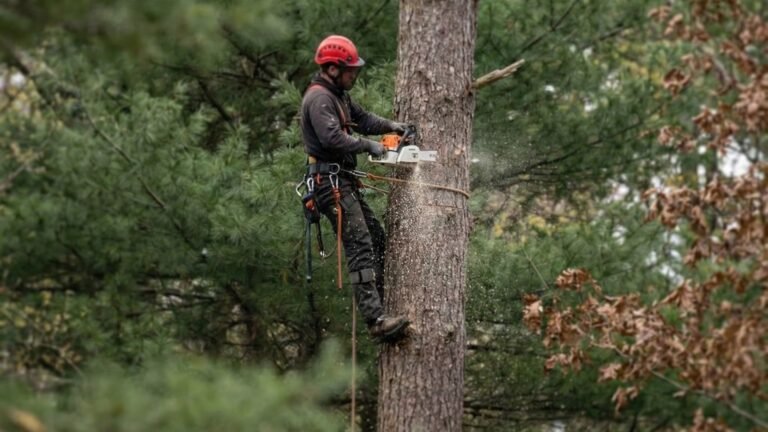
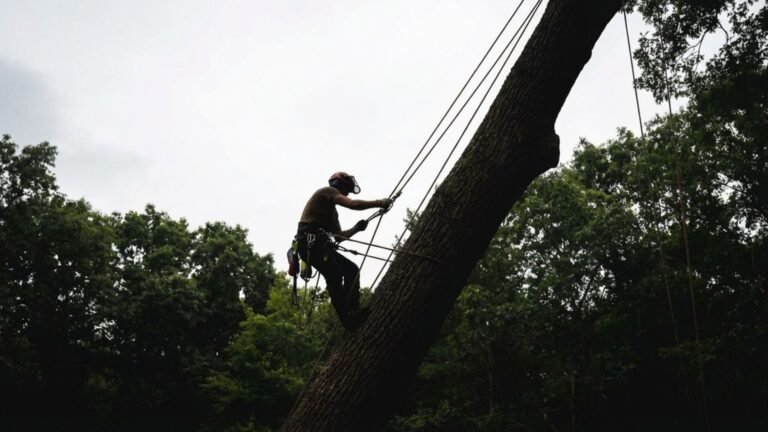
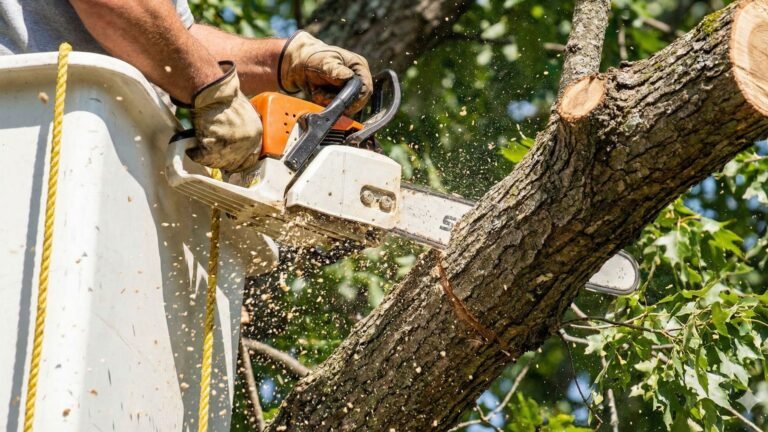
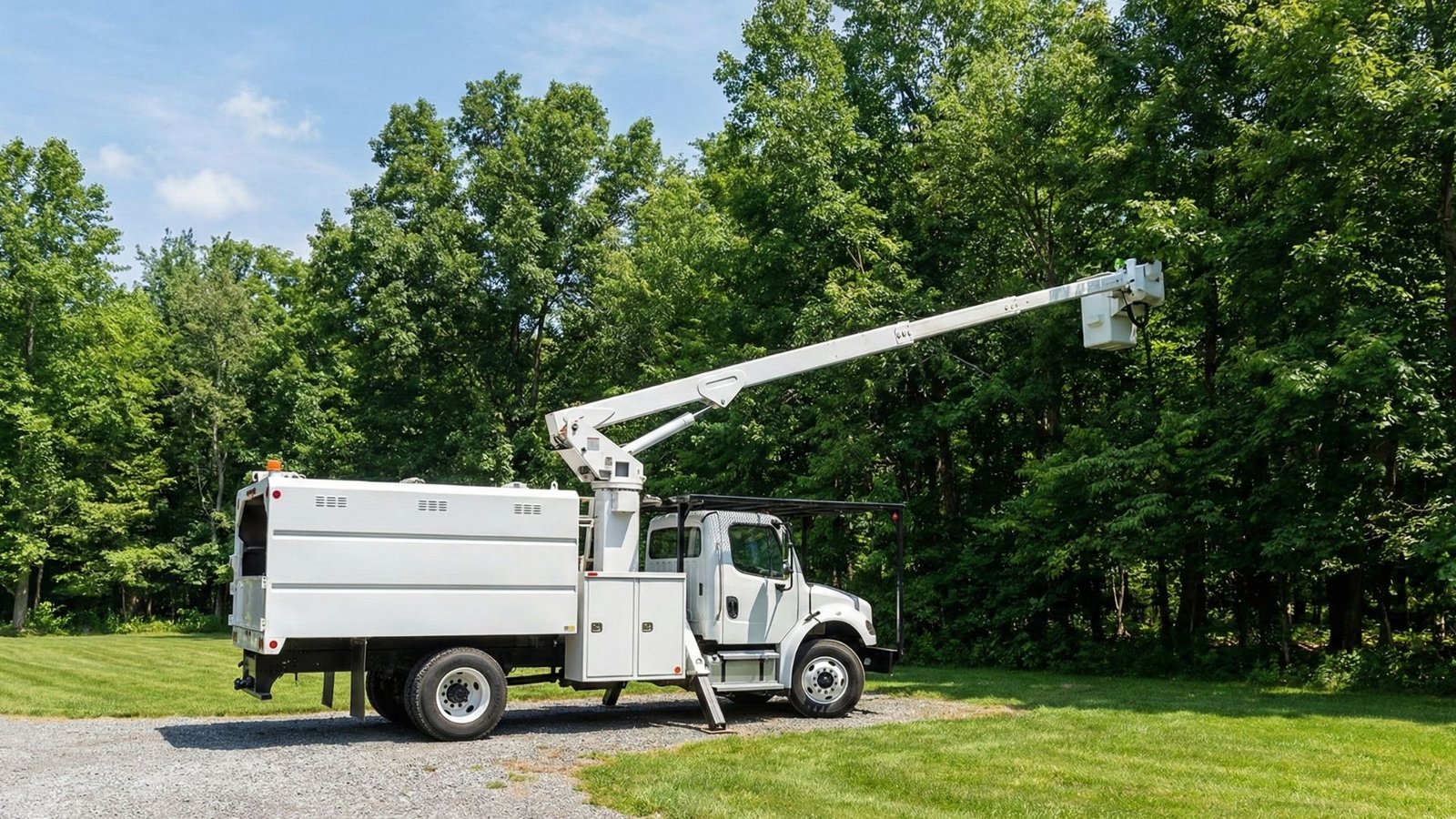
Once preparation is complete, the actual tree removal begins with sectional cuts starting from the top. Arborists use climbing equipment or bucket trucks to access upper branches, then attach ropes to control each section as it’s cut. This rigging prevents heavy limbs from crashing into your roof, windows, or landscaping. Workers remove branches first, gradually working down the trunk in manageable pieces.
For trees very close to structures, crews may use specialized techniques like negative rigging, where cut sections are lowered slowly rather than dropped. The process generates noise from chainsaws and chippers, and you’ll see sawdust and wood chips accumulating in the work zone. This phase typically takes 4-6 hours for a medium tree but can extend to a full day or more for large specimens or challenging access situations.
Stump Grinding and Root Work
After the visible tree is removed, professionals address the stump using a grinding machine that chews the wood down to 6-8 inches below ground level. This approach minimizes excavation compared to full stump removal and reduces the size of the hole left in your yard. The grinding process creates a pile of fine wood chips that can be used as mulch or hauled away.
Arborists typically avoid disturbing the entire root system because extensive digging can destabilize surrounding soil and damage nearby trees you want to keep. Major structural roots within protection zones stay in place and decompose naturally over several years. This selective approach aligns with tree protection standards that prioritize preserving healthy vegetation and minimizing soil compaction.
Additional Steps for Complex Removals
Some situations require extra measures beyond the standard removal process. These additional steps add time and cost but become necessary when dealing with challenging site conditions or environmental sensitivities common in the Northeast.
Handling Slopes, Wetlands, and Large Trees
Properties with significant grades need erosion control blankets and silt fences to prevent soil runoff during and after tree removal. Crews lay protective mats across access routes to distribute equipment weight and minimize rutting. For trees over 60 feet or those with trunks exceeding 36 inches, specialists may bring in a crane to lift large sections over the house rather than rigging them down through branches. These crane operations typically add 1-2 days to the project timeline.
Wetlands buffer work requires particular care about where debris is staged and how quickly bare soil gets stabilized. Local regulations often prohibit stockpiling logs or brush within a certain distance of watercourses. Professionals working in these areas coordinate timing with weather forecasts to avoid muddy conditions and may schedule revegetation steps immediately after removal to comply with erosion control requirements.
Finishing Touches and Yard Restoration
Professional removals conclude with comprehensive cleanup that goes beyond just hauling away logs and branches. Wood chips and mulch get spread over disturbed areas, stump holes are filled with soil or chips, and bare spots receive grass seed appropriate for the season. On slopes or areas near wetlands, crews may install temporary erosion controls and schedule follow-up monitoring to verify vegetation is establishing successfully.
The restoration phase helps your yard begin recovering immediately rather than leaving it vulnerable to erosion or weed invasion. In Connecticut and New York’s growing seasons (spring and fall), reseeded areas often show visible greening within 2-4 weeks if properly watered. This rapid recovery is why professionals emphasize completing all restoration work before leaving the site rather than treating it as an optional add-on.
Permits, Utilities, and Regulations in Connecticut and New York
Navigating local regulations represents a significant part of tree removal planning in the Northeast. While national standards provide general guidance, Connecticut and New York have specific requirements that affect timelines and costs.
Zoning and Utility Coordination
Connecticut’s Inland Wetlands agencies require permit applications when trees sit within regulated buffer zones, which can extend 75-200 feet from watercourses depending on the municipality. The application process includes submitting site plans, waiting for a public notice period, and potentially attending a hearing. These permits can take 30-180 days from initial application to approval, so starting early prevents frustrating delays when you’re ready to proceed.
Calling 811 before any digging is mandatory and free. The service marks underground utilities within a few business days. Trees within public road rights-of-way often require coordination with your town’s tree warden, who may need to inspect the tree and approve removal before work begins. Connecticut’s spite laws also mean you can’t remove boundary trees solely to harm a neighbor’s property or views, which is why confirming property lines matters.
What Homeowners Should Prepare For and Do
Your role during the removal process involves more than just writing a check and staying out of the way. A few proactive steps make the project run smoother and help protect your property.
Daily Expectations During Removal
Expect significant noise from chainsaws, chippers, and grinders during active work hours. Wood chips will accumulate in the designated staging area, and you’ll see temporary fencing around work zones and trees being preserved. On day one, progress may seem slow as crews establish safety measures and access routes. The most dramatic changes typically happen on day two when the tree actually comes down.
Plan to keep pets indoors and vehicles moved away from the work zone. Be available when the crew arrives for a quick walkthrough confirming which trees are marked for removal and which should stay. At project completion, do a final inspection with the crew leader to verify stump grinding depth, debris removal, and restoration measures meet your expectations. This is your opportunity to ask questions or request touch-ups before the crew leaves.
Tips to Minimize Disruptions
Schedule removal during spring or fall in Connecticut and New York if possible. These growing seasons give reseeded grass the best chance to establish quickly, minimizing how long disturbed areas look rough. Consider pre-trimming low branches or undergrowth along access routes yourself to give crews cleaner paths, though only if you can do so safely.
Communicate with neighbors beforehand, especially if equipment needs to access your property from a shared driveway or if branches overhang their yard. Many Connecticut towns require posted notice or neighbor notification for certain tree work, but courtesy calls smooth relationships even when not legally required. Taking before-and-after photos documents the condition of surrounding landscaping and hardscaping in case any disputes arise later.
Process Comparison Table: Simple vs. Complex Tree Removal in Connecticut and New York
| Phase | Simple Removal (Flat Yard) | Complex Removal (Slope/Wetlands) |
|---|---|---|
| Assessment and Prep | 4-6 hours | 1 day with buffer coordination |
| Dismantling | 4-6 hours | 1 day with rigging systems |
| Stump/Restore | 2-4 hours | 1 day with erosion controls |
| Total Timeline | 1 day | 2-3+ days |
Common Mistakes Homeowners Make During Tree Removal
Several preventable errors can derail tree removal projects or create unexpected costs. Being aware of these pitfalls helps you avoid them.
Skipping the wetlands inquiry ranks among the most expensive mistakes. Connecticut regulations require permits for work in buffer zones, and starting without one can result in stop-work orders, fines, and mandatory restoration. Even if your property doesn’t have obvious wetlands, streams or drainage swales nearby may trigger buffer requirements.
Failing to use ground protection mats on soft or sloped terrain causes deep ruts that cost hundreds of dollars to repair. DIY removal attempts by unqualified individuals lead to serious injuries every year from chainsaw accidents, falls from ladders, or trees falling unpredictably. Skipping the final walkthrough with your crew means you might not notice incomplete stump grinding or missed debris until after they’ve left and charged you.
Preparing Your Property for Tree Removal in Connecticut and New York
Taking a few preparatory steps before the crew arrives helps the project run efficiently and protects your interests.
Call 811 at least a few business days before your scheduled removal date. Contact your town’s inland wetlands office if you’re uncertain whether your property includes regulated areas. Clear personal items, furniture, or decorations from the work zone and access paths. If your property line location is uncertain, consider having it surveyed before removing trees near boundaries to avoid neighbor disputes that Connecticut spite laws address.
Move vehicles to the street or a distant driveway spot. Unlock any gates the crew will need to access. If you have an irrigation system, mark sprinkler heads with flags so equipment doesn’t crush them. These small preparations let the crew work efficiently without needing to interrupt their workflow to ask you questions or wait for you to move things.
Frequently Asked Questions About Tree Too Close to House Near Me in Oxford CT
Q: What is the typical tree removal process near a home?
A: The process begins with a hazard assessment and utility locate, followed by site protection setup and sectional dismantling using rigging to control where branches fall. Crews then grind the stump 6-8 inches below grade and complete restoration with mulching and reseeding. Most residential removals take 1-3 days depending on tree size and site conditions.
Q: How long does yard disruption last after removing a tree too close to my house?
A: Active work typically disrupts your property for 1-3 days. With prompt reseeding and erosion controls, disturbed areas begin showing visible recovery within 2-6 weeks during growing seasons. Slopes or shaded areas may take 4-12 weeks to fully stabilize. The work zone itself covers roughly 10-20% of most yards rather than tearing up the entire property.
Q: Are permits required for tree removal in Connecticut or New York?
A: Requirements vary by location and tree position. Connecticut wetlands permits apply when trees sit within 75-200 foot buffer zones, and many towns require permits for trees in public rights-of-way or for removing multiple trees. Private hazard trees under 12-24 inches diameter often don’t need permits outside sensitive areas. Professional tree services typically handle permit applications as part of their service.
Q: What should I expect on the first day of tree removal?
A: Day one focuses on preparation rather than dramatic progress. Crews install safety fencing, mark protection zones, lay ground mats if needed, and set up rigging equipment. They may begin removing lower branches but usually don’t complete the full dismantling until day two. This methodical approach prioritizes protecting your property over speed.
Q: How can I prepare my yard for tree removal near my house?
A: Call 811 to mark utilities, move vehicles and outdoor furniture away from work zones, secure pets indoors, and clear access paths of obstacles. Check whether wetlands regulations apply to your property and contact relevant agencies if you’re in a buffer zone. Having these tasks completed before the crew arrives lets them work efficiently.
Q: When is the best time to remove a tree too close to my house in the Northeast?
A: Spring and fall offer ideal conditions because moderate temperatures and rainfall help reseeded areas establish quickly. Connecticut and New York growing seasons support rapid grass recovery, minimizing how long disturbed spots look bare. Winter removals are possible but may delay restoration work until ground thaws and seed can germinate.
Q: How do arborists protect my house during tree removal?
A: Professionals use sectional dismantling with rope rigging systems to control each piece as it’s cut. Branches get lowered carefully rather than dropped, and trunk sections are cut small enough to manage safely. Crews work from the top down so falling pieces never have enough momentum to reach structures below. This technique prevents the impacts and scraping that cause roof and siding damage.
Q: What happens to the roots after removing a tree near my foundation?
A: Stump grinding removes the visible stump to 6-8 inches below grade, but most of the root system stays underground. Large structural roots decompose naturally over several years. Removing extensive roots would require major excavation that could destabilize surrounding trees and soil. The remaining roots stop growing once the tree is removed and gradually break down without causing foundation problems.
Final Thoughts
Connecticut and New York homeowners face unique considerations when deciding whether to remove a tree near their house. Regional factors like frost depths averaging 36-60 inches, wetlands buffer requirements, and slope erosion risks shape both the decision-making process and the removal timeline. Professional arborists in this region follow predictable phases from hazard assessment through restoration, typically completing residential projects in 1-3 days with work zones confined to 10-20% of your yard rather than causing widespread disruption.
Understanding these phases helps address the two core questions most homeowners have: “Is this tree actually dangerous?” and “How torn up will my yard be?” Certified professionals evaluate multiple risk factors including dripline proximity to your foundation, visible decay, dangerous lean, and species characteristics before recommending removal. The actual removal process then follows systematic steps designed to protect your property through sectional dismantling, controlled debris management, and immediate restoration measures that help your lawn recover within weeks during growing seasons.
If you’re concerned about a tree near your home in Connecticut, Hennessey Tree & Landscape CT can provide the professional assessment and removal services you need. Our certified arborists understand local regulations, handle permit coordination, and follow protocols that minimize yard disruption while prioritizing safety. We’ll walk you through each phase of the process, from initial evaluation through final restoration, so you know exactly what to expect. Contact us today for a consultation about your tree removal needs and let us help you protect both your home and your yard.