7 Warning Signs It’s Time to Remove That Tree
When storm winds kick up and you watch that oak in your backyard sway a little too far, or notice fresh cracks zigzagging down the trunk after last winter’s ice storm, the question shifts from “Should I do something?” to “What happens when they start cutting?” Connecticut and New York homeowners face unique challenges with hazardous trees near wetlands, steep slopes, and town roads, where local tree wardens and inland wetlands agencies add extra layers of approval before any chainsaw fires up. The worry isn’t just whether the tree poses a real threat to your house or driveway; it’s also how long your lawn will be torn up by equipment, whether you’ll deal with deep ruts from bucket trucks on soft spring ground, and if neighbors will complain about debris scattered across property lines. Most residential tree removals in the Northeast wrap up in a single day of active work, with controlled sectional cuts and on-site chipping keeping the mess confined to a 20-foot drop zone rather than your entire yard. Recognizing the seven key warning signs early gives you time to line up certified arborists, handle any permit requirements through municipal tree wardens, and schedule work during dry weather when ground damage stays minimal and your lawn bounces back in four to six weeks instead of leaving you staring at muddy scars all summer.
Key Takeaways
- Single-Day Execution for Most Residential Trees: Standard removals in Connecticut and New York typically complete in 4-8 hours, with slopes and wetland buffer zones occasionally extending prep and restoration to 1-2 days.
- Hazard Assessment Drives the Timeline: Municipal tree wardens flag safety risks like pronounced leans or dead crowns through official postings, triggering removal approvals that can take weeks but keep actual cutting work brief.
- Pre-Work Site Walks Prevent Surprises: Professionals confirm wetland setbacks, utility clearances, and driveway sightlines before rigging begins, reducing the chance of permit delays or neighbor disputes.
- Sectional Dismantling Minimizes Spread: Rigged top-down cuts and on-site chipping concentrate debris in a defined work zone, while ground protection mats limit rutting on soft lawns.
- Permit Paths Vary by Location: Tree wardens approve hazard removals quickly, but trees in wetland buffers or on regulated slopes require inland wetlands agency permits that add 10-30 days of review.
- Cleanup and Basic Restoration Included: Crews haul chips, blow sawdust, and often seed or grade disturbed areas the same day, leaving lawns ready to recover within a month.
Understanding the Tree Removal Process in CT and NY
Professional tree removals in the Northeast follow a predictable sequence shaped by frost cycles, storm-prone weather, and zoning codes that prioritize safety over speed. Connecticut and New York regulations put hazard identification and wetland protections at the center of any removal decision, meaning arborists and homeowners alike need to confirm what type of tree they’re dealing with (public right-of-way versus private property), whether it sits in a regulated zone like a wetland buffer or steep slope, and if any municipal approvals are required before work begins. This front-loaded assessment phase can feel slow, but it prevents crews from showing up only to discover permit issues or utility conflicts that halt progress mid-job.
Local tree wardens play a central role in Connecticut towns, with legal authority to order removal of hazardous trees on public roads and coordination responsibility for trees near utility lines. If a homeowner notices a dangerous lean or dead branches near a street, the tree warden often conducts a site visit, posts a public notice if required, and either performs the removal with town resources or authorizes the property owner to hire a contractor. New York municipalities vary more widely, with some requiring permits for trees over a certain diameter, trees in wetlands, or trees on slopes exceeding 25%, while others delegate decisions to planning boards or conservation commissions.
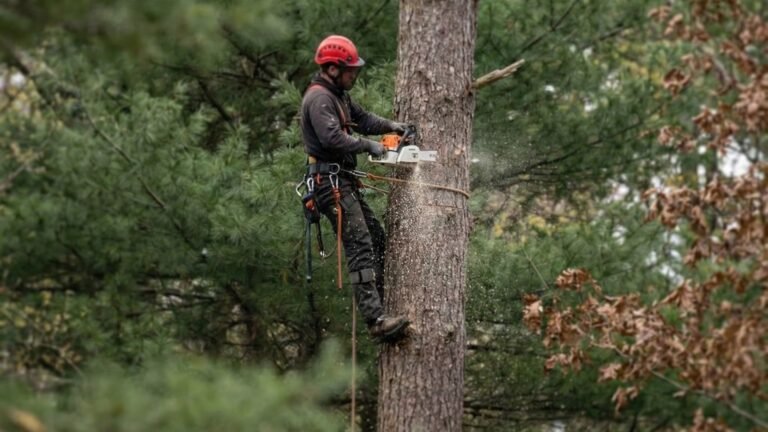
Once approvals are in place, the actual cutting and cleanup typically compress into a single workday for a standard residential tree. Crews arrive, set up barriers and rigging, section the tree from top to bottom using ropes and aerial lifts, chip branches on-site, and haul larger logs to a staging area or leave them for the homeowner as firewood. The “yard torn up” fear stems mostly from equipment access paths and the immediate stump zone, not wall-to-wall devastation, because modern rigging techniques and controlled drop zones keep the active work area compact.
Local Tree Environment and Process Needs
Northeast yards face specific challenges that extend timelines or require extra precautions. Spring thaw often leaves ground soft and prone to rutting, so arborists may delay work until late spring or early summer when soil firms up, or they’ll use protective mats under bucket trucks and equipment. Storm damage peaks in winter ice events and summer thunderstorms, creating seasonal surges in removal requests that can push scheduling out by weeks. Wetlands are common in Connecticut and parts of New York, with buffer zones ranging from 75 to 150 feet depending on the town, and any tree removal within those areas typically requires an inland wetlands permit, site plan sketches, and sometimes erosion control measures like silt fencing.
Sight triangles at driveway aprons and road intersections also trigger tree warden involvement, since branches or trunks blocking visibility for drivers fall under public safety jurisdiction. Homeowners who live on designated scenic roads or in historic districts may find that local ordinances add another review layer, requiring photos of the tree and justification for removal before work can proceed.
National vs. CT/NY Removal Timelines
Baseline tree removal timelines across the country generally run 4-6 hours for a healthy, medium-sized yard tree with clear access and no regulatory complications. Connecticut and New York jobs often stretch to 6-10 hours or more because of the added coordination steps: tree warden verification for hazards, utility clearance checks, and extra care on sloped or wet ground that can slow equipment movement and require more controlled rigging.
Typical Timeline Ranges by Tree Size
A small ornamental or understory tree (under 30 feet tall, trunk diameter less than 12 inches) can come down in 3-4 hours nationally, but in Connecticut and New York that same tree may take 4-6 hours if it sits near a wetland buffer or utility line, since crews spend extra time on site walks, buffer staking, and coordinated utility notifications. Medium trees (30-60 feet, 12-24 inch trunks) average 5-7 hours elsewhere and 6-10 hours in the Northeast, with the added time going to rigging more sections to avoid drop-zone spread and handling steeper terrain. Large trees (over 60 feet or trunks exceeding 24 inches) can take 8-12 hours or more anywhere, but Northeast jobs sometimes extend to two days when slopes, wetlands, or frozen ground force slower progress and require additional ground protection.
Day-by-Day Breakdown Models
For a typical single-tree residential removal in Connecticut or New York, Day 1 includes assessment and rigging setup (1-2 hours), where the crew confirms access paths, sets barriers, and positions equipment. The main dismantling phase (4-6 hours) follows, with climbers or bucket operators sectioning the tree top-down, lowering pieces via ropes, and feeding branches into a chipper staged in the drop zone. Cleanup and initial debris removal (1-2 hours) wraps the day, with crews raking, blowing sawdust, and hauling chips or logs.
Day 2 work is rare for single residential trees unless the job involves complex stump grinding on rocky or sloped ground, wetland restoration requirements like seeding and erosion mat installation, or weather delays that force a pause mid-job. Multi-tree projects or large estate properties can span two days, but homeowners removing one hazardous tree near the house should expect completion within a single 6-10 hour window, not a week-long ordeal.
Key Steps in the Tree Removal Process
Every professional removal follows core phases designed to control hazards, protect property, and deliver a clean site. These steps align with OSHA safety guidelines that emphasize fall prevention, struck-by protection, and equipment operation standards, which indirectly shape how crews organize the work zone and minimize yard disruption.
Site Preparation and Assessment
Before any cutting begins, arborists or crew leaders walk the site to identify overhead utilities, underground sprinkler lines, septic system locations, and property boundaries. In Connecticut, this often includes a tree warden consultation if the tree sits near a public road or sidewalk, confirming whether the hazard qualifies for municipal removal or private contractor work. New York towns with tree ordinances may require a pre-work permit check, especially for trees in wetland buffers, on slopes over 25%, or within designated scenic or historic zones.
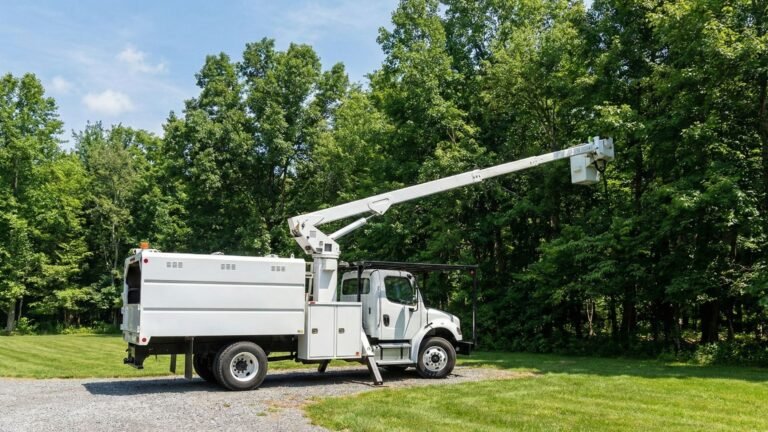
Crews stake out the drop zone, typically a 15-25 foot radius around the tree where branches and sections will land or be lowered, and set up barriers or cones to keep people and pets clear. Ground protection mats go down on soft lawns or near driveways to prevent bucket truck outriggers from sinking and creating deep ruts. Utility notifications happen if branches overhang power lines, with coordination between the tree warden and the local utility to ensure lines are de-energized or protected before cutting.
Hazard Dismantling and Sectioning
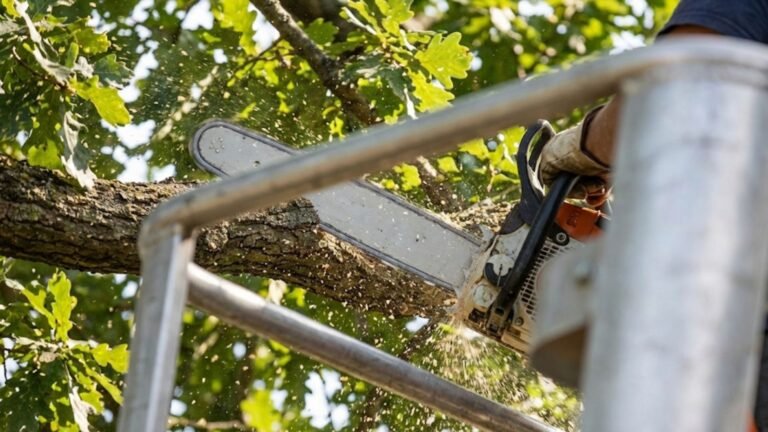
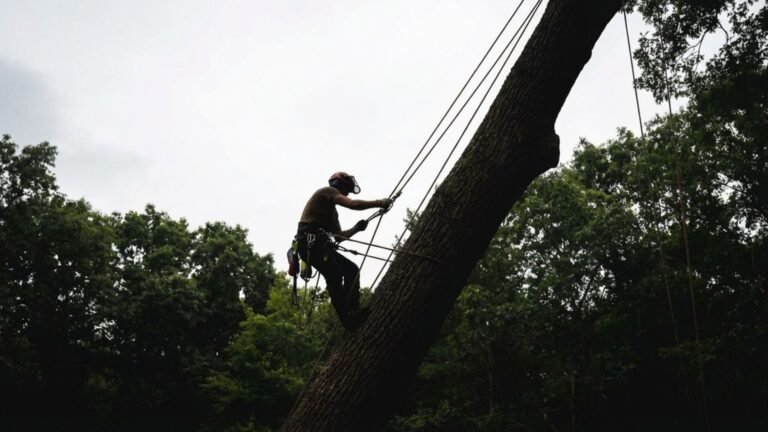
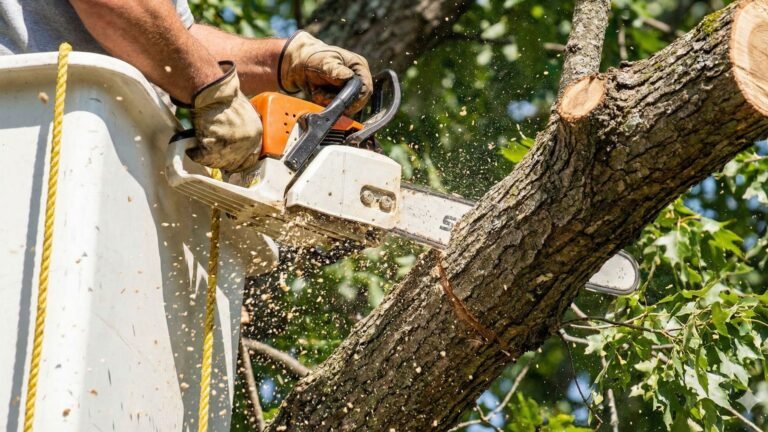
The actual tree takedown starts at the top and works downward, especially for trees with leans, cracks, or dead crowns where a traditional felling cut could cause unpredictable collapse. Rigged sectional removal involves climbers or aerial lift operators cutting small sections (3-8 feet long) and lowering them with ropes to ground crew, who immediately chip branches or stack logs in a staging area. This method keeps debris contained and prevents large limbs from crashing into fences, gardens, or neighboring property.
For trees with significant lean or structural cracks, crews may install multiple rigging points to control the direction of each drop, using pulleys and friction devices to manage weight. The middle trunk sections come next, cut into manageable rounds if the homeowner wants firewood or into chunks that fit the chipper’s feed opening. The final stump is left at grade or flush-cut a few inches below ground if the homeowner opts out of grinding, though most removals include stump grinding as part of the package or an add-on service.
Stump, Cleanup, and Initial Restore
Stump grinding creates a mound of wood chips and soil that crews rake level or haul away, leaving a shallow depression that homeowners can backfill with topsoil and seed. Cleanup involves blowing sawdust from driveways and walkways, raking the drop zone, and running a magnet sweep if the crew used metal wedges or hardware to pick up stray debris. Some contracts include basic restoration like spreading grass seed over disturbed areas or laying down erosion control mats on slopes, while others leave seeding to the homeowner with a recommendation to water and monitor for four to six weeks until new grass establishes.
Additional Steps for Complex Removals
Jobs involving slopes, wetlands, or regulated zones add layers that extend prep time and require specialized techniques, but the core dismantling work still typically fits within one to two days.
Handling Slopes, Wetlands, and Regulated Sites
Steeply sloped yards (over 25% grade) present equipment challenges, since bucket trucks and chippers can tip or slide on uneven ground. Crews may anchor equipment with winches, use smaller mini-skid steers for access, or rely entirely on climbers with ropes to avoid driving heavy machinery on the slope. Sectional removal with rigging becomes mandatory, and debris is often lowered down the slope in nets or bags rather than simply dropping it and chipping in place.
Wetland buffer zones in Connecticut require inland wetlands agency permits if the tree sits within 75-150 feet of a wetland boundary, depending on local regulations. The application typically includes photos, a site sketch showing the tree’s location, and a written explanation of why removal is necessary (hazard, disease, obstruction). Approval can take 10-30 days, but once granted, the physical work proceeds normally with the addition of silt fencing or erosion barriers to prevent soil from washing into the wetland during and after removal.
Scenic roads and historic districts in some New York towns add a review step through conservation boards or tree wardens, where aesthetics and community character weigh into the decision. Homeowners submit photos and explain whether the tree is dead, diseased, or hazardous, and reviewers may approve removal with conditions like replanting a similar species or preserving nearby trees.
Finishing Touches and Yard Restoration
Full-service removals often include post-work restoration beyond basic cleanup. Crews grade the stump area to match surrounding lawn contours, spread a thin layer of topsoil, and sow grass seed or install sod patches to jump-start regrowth. On slopes or near wetlands, erosion control mats (jute or coir netting) hold soil in place until vegetation establishes, preventing rain from washing fresh seed downhill or into regulated areas.
Debris hauling is standard, with chips either blown into landscape beds, hauled to a facility, or left in a neat pile if the homeowner wants mulch. Logs are staged curbside for firewood cutting or removed entirely, and the site is left clean enough that homeowners can walk the yard without tripping over stray branches or sawdust piles.
Permits, Wardens, and Regulations in CT and NY
Connecticut and New York both rely on local authority for tree removal decisions, but the specific processes and timelines vary by town.
Zoning and Utility Coordination
In Connecticut, every municipality appoints a tree warden responsible for trees on public roads and town property, with authority to order removal of hazardous trees that threaten safety or obstruct traffic. Tree wardens post public notices for proposed removals, hold hearings if residents object, and coordinate with utilities when trees interfere with power lines. Private property trees generally don’t require warden approval unless they sit in the public right-of-way or a homeowner requests assistance with a hazard determination.
New York towns use a mix of tree ordinances and conservation regulations, with permits required for trees over a certain diameter, trees in wetlands, or trees on steep slopes. The permit application includes site photos, measurements, and a statement of need (disease, hazard, construction), with review times ranging from a few days for simple hazard removals to 30 days or more for wetland-adjacent trees. Some towns charge application fees ($50-200), while others process requests at no cost if the tree poses a documented safety risk.
Utility coordination happens through the tree warden or directly with the power company, depending on whether the tree is on public or private land. Utilities often prune branches preemptively to maintain clearance around lines, but if a tree needs full removal due to storm damage or structural failure, the homeowner or municipality arranges the work and coordinates timing with the utility to ensure safe conditions.
What Homeowners Should Prepare For and Do
Supporting a smooth removal means understanding the daily flow and taking a few proactive steps before crews arrive.
Daily Expectations During Removal
Most residential removals run from mid-morning to mid-afternoon, with the loudest phases (chainsaws, chippers) concentrated in a 4-6 hour window. Homeowners should expect restricted access to driveways or parts of the yard during active work, with barriers and cones marking no-go zones. Pets need to stay indoors or in a secure area away from the drop zone, and parking should be cleared from the street if crews need curbside staging for equipment or debris removal.
Noise levels peak during chipping and cutting, but modern equipment is significantly quieter than older models, and most towns allow daytime work without special permits. The crew will typically request a quick walkthrough at the start and end of the day to confirm access, discuss any concerns, and verify that cleanup meets expectations.
Tips to Minimize Disruptions
Scheduling during dry weather reduces the chance of equipment rutting soft lawns, since bucket trucks and chippers create deep tracks when ground is saturated. Late spring through early fall offers the best conditions in Connecticut and New York, avoiding winter frozen ground and spring mud season.
Homeowners can trim low shrubs or small branches around the work area to give crews clear access, though professionals handle all hazardous pruning and cutting. Clearing toys, lawn furniture, and planters from the drop zone before the crew arrives saves time and reduces the risk of accidental damage.
If the tree sits near a property line, talking with neighbors beforehand can head off complaints about noise or debris, and some homeowners coordinate removals when neighbors are away to reduce friction. Crews are trained to respect boundaries and clean up thoroughly, but advance communication smooths the process.
Process Comparison Table: Simple vs. Complex Tree Removal in CT/NY
| Phase | Simple Removal (Healthy Yard Tree) | Complex Removal (Slope/Wetland) |
|---|---|---|
| Assess & Prep | 1-2 hours: Site walk, barrier setup, utility check | 1 day: Permit review, buffer staking, erosion controls |
| Dismantling | 3-5 hours: Rigged sectional cuts, on-site chipping | 6-8 hours: Slower rigging on slopes, limited equipment access |
| Stump/Cleanup | 1-2 hours: Flush cut or grind, rake and blow | 2-3 hours: Grind, seed, erosion mats |
| Total Timeline | 6-8 hours: Same-day completion | 1-2 days: Extended for permits, terrain |
Common Mistakes Homeowners Make During Tree Removal
Ignoring tree warden notices or public postings can result in fines or stop-work orders if a tree is on public land or in a regulated zone, so responding to any official tags or letters quickly prevents delays. Scheduling work during wet weather invites deep ruts and soil compaction, especially on slopes or near wetlands where heavy equipment struggles for traction and can cause lasting lawn damage.
Skipping the final walkthrough with the crew means missed debris, incomplete cleanup, or questions about stump grinding depth that become harder to address once the crew has left the site. Homeowners who assume all trees can come down without permits sometimes discover mid-job that wetland buffers or historic district rules apply, halting progress and requiring retroactive applications.
Failing to communicate with neighbors about timing, noise, or debris can escalate into complaints or disputes, particularly in dense residential areas where branches or chips might drift across property lines. A quick heads-up before the crew arrives usually prevents misunderstandings and keeps relationships smooth.
Preparing Your Property for Tree Removal in CT/NY
Early contact with the municipal tree warden clarifies whether the tree is on public or private land and whether any approvals are needed, giving homeowners a realistic timeline before hiring a contractor. Clearing access paths of obstacles like garden hoses, downspouts, or decorative edging speeds setup and reduces the chance of accidental damage.
Surveying property boundaries before work begins prevents crew errors and protects against “spite tree” complaints if a neighbor claims the tree is on their land or that removal affects their view. Checking sight triangle requirements for driveways ensures the tree isn’t regulated for traffic safety, which could require warden sign-off even on private property.
Frequently Asked Questions About Tree Removal Signs and Process in CT/NY
Q: What are the 7 warning signs a tree needs to be removed?
A: The key signs include a pronounced lean or movement after storms, large dead branches or a dead crown, visible cracks or splits in the trunk, root problems with fungal growth or heaving soil, branches blocking roads or sightlines, trees in regulated wetland or slope areas showing hazard, and official notices from tree wardens or utilities indicating safety concerns.
Q: How long does tree removal take on my property?
A: Most single residential tree removals in Connecticut and New York complete in 6-10 hours for straightforward jobs, with complex sites involving slopes, wetlands, or permits extending to 1-2 days including prep and restoration work.
Q: Do I need permits for tree removal in CT/NY?
A: Tree wardens approve hazard removals on public roads quickly, while trees in wetland buffers or on regulated slopes require inland wetlands agency permits that can take 10-30 days for review, depending on the town.
Q: What should I expect on removal day?
A: Crews typically arrive mid-morning to set up rigging and barriers, spend 4-6 hours on sectional cutting and chipping, and wrap with cleanup by afternoon, keeping the active work zone compact rather than spreading chaos across the entire yard.
Q: How can I minimize yard damage during tree removal?
A: Ground protection mats under equipment prevent rutting on soft or sloped lawns, scheduling during dry weather avoids mud issues, and professionals handle erosion control and seeding in regulated areas to stabilize disturbed ground quickly.
Final Thoughts
Connecticut and New York tree professionals deliver contained, efficient removals that tackle hazards while respecting frost cycles, steep terrain, and wetland regulations, typically wrapping residential jobs in a single day with lawns recovering in four to six weeks. Spotting warning signs early, whether a dangerous lean, dead branches, trunk cracks, root issues, sight-line obstructions, regulated-site complications, or official notices, gives homeowners time to coordinate tree warden assessments, secure any needed permits, and schedule work during optimal weather to minimize ground damage. Understanding the process from initial site walks through sectional dismantling, stump grinding, and restoration eases the “yard torn up” worry that stops many people from acting until a tree fails catastrophically.
For homeowners in Connecticut ready to address hazardous trees with confidence, Hennessey Tree & Landscape CT offers certified arborists, full regulatory compliance support, and a track record of clean, efficient removals that protect your property and meet local standards. Connect with the team to schedule a site evaluation, discuss permit paths, and plan a removal timeline that fits your schedule and minimizes disruption to your yard and daily life.